
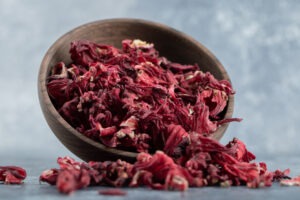
Dried Hibiscus from Renamy Global Resources Ltd
Exporting dried hibiscus flower offers strong profit potential, but international buyers often face serious challenges such as inconsistent quality, contamination risks, unreliable supply chains, and ethical sourcing concerns. These issues can delay shipments, lead to regulatory rejections, and damage brand credibility in highly regulated markets.
At Renamy Global Resources Ltd, we solve these challenges through a structured, ethical, and compliance-driven export model. By working directly with hibiscus farmers across Nigeria, we ensure consistent quality, steady supply, and full traceability from farm to port. Our approach delivers reliability for buyers while supporting sustainable agriculture and rural communities.
This article explains the most common dried hibiscus export challenges and how Renamy Global Resources Ltd addresses them effectively in 2026.
Common Challenges in Dried Hibiscus Flower Export
Inconsistent Quality and Grading
Many exporters rely on uncoordinated sourcing, leading to uneven drying, mixed grades, high impurity levels, and color variation that fails international buyer expectations.
Pest Infestation and Contamination
Poor post-harvest handling often results in pest presence, dust, stones, or mold—making shipments non-compliant with EU and North American import regulations.
Supply Chain Delays and Unreliable Volumes
Fragmented sourcing and weak logistics infrastructure can cause missed delivery timelines and inconsistent supply availability.
Ethical and Sustainability Concerns
Lack of transparency in farmer relationships raises concerns around unfair wages, exploitative practices, and unsustainable harvesting.
How Renamy Global Resources Ltd Solves These Challenges
1. Direct Farmer Partnerships for Consistent Quality
We work directly with hibiscus farmers in Kano, Katsina, Jigawa, and Bauchi, providing training on proper harvesting and drying techniques. This ensures uniform petal size, deep red color, low moisture levels, and minimal impurities.
2. Hygienic Processing and Pre-Export Inspection
All hibiscus is cleaned, sorted, and inspected using manual and mechanical processes to remove pests and foreign matter. Each batch is prepared to meet phytosanitary and food safety standards for international markets.
3. Ethical and Sustainable Sourcing Model
We maintain long-term, fair-trade relationships with smallholder farmers. Farmers receive fair compensation and ongoing support, helping secure sustainable supply while meeting ethical sourcing requirements demanded by global buyers.
4. End-to-End Export Management
We manage quality control, documentation, packaging, and logistics. All shipments are loaded from the Port of Lagos, Nigeria, with delivery scheduled within 5–10 working days after payment confirmation or bank guarantee.
Dried Hibiscus Flower Trade Specifications
-
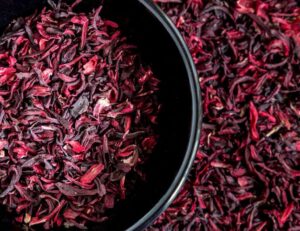
Dried Hibiscus from Renamy Global Resources Ltd
Origin: Nigeria
-
Product Type: Dried Hibiscus Flower (Whole or Crushed Petals)
-
Moisture Content: Below 10%
-
Impurities: Below 2%
-
Color: Deep red
-
Processing: Sun-dried, hand or machine cleaned
-
Packaging: 25kg or 50kg polypropylene bags or as specified
-
Minimum Order Quantity: 20 Metric Tonnes
-
Port of Loading: Lagos, Nigeria
-
Trade Terms: LPO / Bank Guarantee / Part Payment
-
Shipping Time: 5–10 working days
-
Price: Negotiable based on buyer requirements
Why Choose Renamy Global Resources Ltd
-
Complete Export Support: From farm sourcing to final shipment
-
Consistent Quality Supply: Clean, export-ready hibiscus flower
-
International Compliance: EU, US, and Middle East standards
-
Ethical Trade Practices: Transparent and sustainable sourcing
-
Reliable Logistics: Timely and well-documented shipments
Renamy Global Resources Ltd is a trusted partner for buyers seeking dependable dried hibiscus flower exports from Nigeria and Africa.
Contact Renamy Global Resources Ltd
Email: [email protected]
Phone & WhatsApp:+2348054885543
Partner with Renamy Global Resources Ltd for ethical, compliant, and export-ready dried hibiscus flower in 2026.