
How to Find Reliable International Wheat Suppliers
Finding reliable international wheat suppliers is an important step for businesses that depend on wheat for commercial production, distribution, and food manufacturing. Whether you operate a flour mill, commercial bakery, food-processing company, wholesale distribution business, or agricultural trading company, choosing the right supplier can have a major impact on your supply chain.
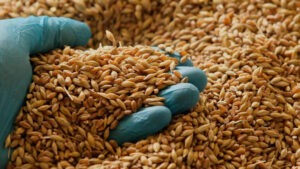
Inspecting wheat quality helps buyers confirm that grain meets agreed commercial specifications.
For businesses in Nigeria and across West Africa, international wheat sourcing requires careful attention to product specifications, supplier reliability, documentation, shipping arrangements, pricing, and delivery.
Renamy Global Resources Ltd has experience importing wheat and understands the importance of dependable relationships in international agricultural commodity trade.
Why Choosing the Right Wheat Supplier Matters
A wheat supplier does more than provide a product. The supplier must be able to deliver the agreed quantity, meet the required specifications, provide appropriate documentation, and work within the agreed commercial and delivery terms.
An unreliable supplier can create problems such as:
- Delayed shipments
- Inconsistent product quality
- Documentation problems
- Unexpected costs
- Supply interruptions
- Difficult communication
- Disputes over product specifications
For businesses that rely on regular wheat supplies, these problems can affect production and customer commitments.
This is why supplier selection should be treated as an important part of procurement rather than simply choosing the lowest quotation.
1. Verify the Supplier’s Business Information
Before entering into a major international transaction, buyers should conduct appropriate due diligence on the supplier.
Check available business information, contact details, trading history, export experience, and other information that can help establish that the company is legitimate and capable of conducting the proposed transaction.
Where possible, important claims should be independently verified.
A professional supplier should be willing to provide reasonable information about its business and the proposed supply arrangement.
2. Confirm the Type and Specification of Wheat
Not every type of wheat is suitable for every application.
Before requesting a quotation, determine the specifications your business requires. These may include:
- Wheat variety
- Protein content
- Moisture content
- Test weight
- Falling number
- Gluten characteristics
- Foreign material limits
- Grain condition
- Quantity required
The specifications should reflect the intended use of the wheat.
For example, a flour mill supplying bread manufacturers may have different requirements from a business purchasing durum wheat for pasta and semolina production.
3. Request Product Documentation
A reliable supplier should be able to provide appropriate documentation relating to the proposed shipment.
Depending on the transaction, this may include product specifications, certificates of analysis, inspection documentation, certificates of origin, shipping documents, and other relevant trade documentation.
Buyers should review the documents carefully and confirm that they correspond with the actual product and agreed specifications.
Documentation requirements can vary according to the commodity, origin, destination, and applicable regulations.
4. Compare Supplier Quotations Carefully
Price is an important consideration, but it should not be the only factor.
Two suppliers may quote different prices because their offers are based on different delivery terms, quantities, freight arrangements, or specifications.
When comparing international wheat suppliers, consider:
- Product price
- Quantity
- Wheat specification
- Country of origin
- Shipping terms
- Freight
- Insurance
- Port charges
- Inspection costs
- Delivery arrangements
- Payment terms
Comparing quotations on an equivalent basis provides a clearer picture of the actual commercial value of each offer.
5. Understand Shipping and Delivery Terms
International wheat purchases involve transportation from the exporting country to the destination market.
Before finalizing a transaction, the buyer should understand who is responsible for arranging shipping, insurance, port handling, customs-related procedures, and inland transportation.
Delivery terms should be clearly understood by both parties.
A supplier may offer a competitive product price, but the final cost can change significantly depending on the shipping and delivery arrangement.
6. Consider Quality Inspection
Quality inspection can provide additional assurance when purchasing wheat in commercial quantities.
Depending on the transaction, buyers may use independent inspection companies or laboratory testing to assess agreed product characteristics.
The buyer and supplier should establish the inspection procedure before shipment, including the relevant specifications and how discrepancies will be handled.
This helps create a clear process if the delivered product does not meet the agreed requirements.
7. Assess the Supplier’s Communication
Good communication is an important part of international trade.
A reliable supplier should communicate clearly about:
- Product availability
- Specifications
- Pricing
- Documentation
- Shipping schedules
- Payment arrangements
- Delivery requirements
Buyers should be cautious when important information is unclear or frequently changes without a reasonable explanation.
Written communication and properly documented commercial agreements can help reduce misunderstandings.
8. Look Beyond the Lowest Price
An unusually low price may appear attractive, but businesses should consider the complete transaction.
The cheapest quotation may not provide the best value if it involves higher freight costs, unsuitable specifications, unreliable delivery, or unexpected charges.
A better approach is to evaluate the supplier based on the combination of:
Quality + Reliability + Price + Documentation + Logistics + Service
This provides a more realistic basis for choosing an international wheat supplier.
9. Build a Long-Term Supplier Relationship
Businesses that purchase wheat regularly can benefit from developing professional relationships with reliable suppliers.
Long-term relationships can improve communication and make it easier to understand each other’s requirements.
However, businesses should continue to carry out appropriate checks and maintain clear commercial agreements for individual transactions.
10. Choose an Experienced Agricultural Trade Partner
For businesses that do not have extensive experience in international commodity sourcing, working with an experienced agricultural trading company can provide useful support.
The right partner should understand the importance of product specifications, supplier coordination, documentation, shipping, and delivery planning.
Renamy Global Resources Ltd
Renamy Global Resources Ltd operates in agricultural import-export and international trade and has experience importing wheat.
Our experience in wheat importing gives us an understanding of the importance of reliable sourcing, product requirements, documentation, and supply-chain coordination.
We work with businesses interested in agricultural commodities and international trade opportunities.
Product availability, specifications, quantities, pricing, and delivery arrangements should be confirmed based on each individual enquiry.
Questions to Ask a Wheat Supplier Before Buying
Before entering into a commercial wheat transaction, buyers can ask:
What type of wheat is available?
Confirm the variety, grade, origin, and intended application.
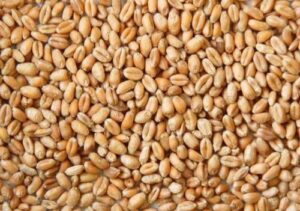
Inspecting wheat quality helps buyers confirm that grain meets agreed commercial specifications.
What are the product specifications?
Ask for the relevant technical specifications and quality documentation.
What quantity can you supply?
Confirm whether the supplier can meet your required volume.
What are the delivery terms?
Understand the responsibilities of the buyer and supplier for shipping, insurance, port handling, and delivery.
What inspection arrangements are available?
Establish how product quality will be verified.
What documentation will accompany the shipment?
Confirm the relevant commercial, shipping, inspection, and regulatory documents.
What is the total cost of delivery?
Consider the purchase price together with applicable freight, insurance, handling, import, transportation, and storage costs.
Conclusion
Finding reliable international wheat suppliers requires more than searching for the lowest price. Commercial buyers should verify suppliers, establish clear product specifications, review documentation, understand delivery terms, and consider the complete cost of receiving the wheat.
A carefully selected supplier can become an important part of a dependable agricultural supply chain.
With experience in wheat importing and agricultural trade, Renamy Global Resources Ltd provides a point of contact for businesses interested in exploring agricultural commodity sourcing and international trade opportunities.
Contact Renamy Global Resources Ltd
Are you looking for imported wheat or agricultural commodity sourcing solutions?
Contact Renamy Global Resources Ltd to discuss your product requirements, quantity, specifications, packaging, and delivery needs.
Email: [email protected]
Phone & WhatsApp: +234 805 488 5543
Renamy Global Resources Ltd — Connecting businesses to agricultural trade opportunities.
- Published in Uncategorized
How to Check Wheat Quality Before Buying in Bulk
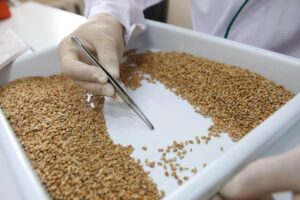
Inspecting wheat quality before bulk purchase helps buyers assess grain condition and suitability for processing.
Buying wheat in bulk is an important decision for flour mills, commercial bakeries, food manufacturers, and agricultural commodity traders. The quality of the wheat purchased can affect flour production, product consistency, storage, and overall business performance.
For businesses sourcing imported wheat in Nigeria and West Africa, understanding the key quality indicators can help reduce purchasing risks and ensure that the grain is suitable for its intended use.
Renamy Global Resources Ltd understands the importance of dependable agricultural commodity sourcing and encourages commercial buyers to pay attention to the following factors when evaluating wheat supplies.
1. Check the Grain’s Physical Condition
A visual inspection is a useful first step when assessing wheat quality.
Good-quality wheat should generally have a reasonably uniform appearance appropriate to its variety and grade. Buyers should look for excessive broken kernels, discoloured grains, visible mould, insect damage, and unusual foreign materials.
However, appearance alone cannot establish the full quality of a shipment. Laboratory testing and appropriate inspection procedures are necessary to assess important characteristics that cannot be confirmed by sight.
2. Verify the Moisture Content
Moisture content is an important consideration when buying wheat for commercial storage and processing.
Excessive moisture can increase the risk of spoilage, mould development, and deterioration during storage, depending on the storage conditions and duration.
Buyers should request the measured moisture content and confirm that it meets the agreed product specification and applicable storage requirements.
A calibrated moisture meter or an appropriate laboratory test can help establish the actual moisture level.
3. Review the Protein Content
Protein content is particularly important for wheat intended for flour milling and baking.
Different applications require different wheat characteristics. For example, bread production often benefits from wheat with suitable protein quantity and gluten functionality, while other food products may require different specifications.
Buyers should not rely on protein percentage alone. They should also consider the intended application, flour performance requirements, and any additional agreed quality parameters.
4. Ask for a Certificate of Analysis
A Certificate of Analysis (CoA), where available and applicable to the shipment, provides documented information about tested product characteristics.
Depending on the contract and product, the document may include moisture content, protein content, test weight, and other agreed parameters.
Before completing a bulk purchase, buyers should:
- Confirm that the certificate corresponds to the actual product or shipment.
- Review the reported results against the purchase specification.
- Check the issuing laboratory or inspection provider.
- Clarify any missing information with the supplier.
- Agree on the inspection and dispute-resolution procedures before shipment.
Documentation should support the agreed specifications rather than replace appropriate inspection.
5. Check for Foreign Materials and Contamination

Wheat kernels should be checked for grain condition, damage, and foreign materials.
Wheat may require cleaning to remove materials such as stones, chaff, dust, weed seeds, and other unwanted matter.
Buyers should establish the acceptable limits for foreign materials and damaged kernels in the purchase agreement. They should also confirm that suitable inspection and testing procedures are in place.
Where food safety is concerned, appropriate testing and handling controls are essential. A visual inspection alone cannot rule out every possible contaminant.
6. Evaluate Test Weight and Other Relevant Specifications
Test weight is one of the characteristics used in evaluating wheat. It provides information about the grain’s bulk density, although it does not independently determine milling performance or overall quality.
Depending on the intended application, commercial buyers may also need to consider:
- Falling number
- Gluten strength or functionality
- Kernel condition
- Variety and grade
- Foreign matter limits
- Applicable food safety requirements
The appropriate limits should be agreed upon before purchasing, rather than assuming that one specification is suitable for every type of wheat.
7. Confirm That the Wheat Suits Your Business
Before ordering, identify the purpose for which the wheat will be used.
A flour mill may have different requirements from a pasta manufacturer or a commercial bakery. Selecting wheat based on price alone can lead to problems if the grain does not meet the buyer’s production needs.
Share your technical requirements with the supplier and request information demonstrating whether the offered wheat meets those requirements.
8. Assess the Supplier’s Documentation and Delivery Arrangements
Product quality is only one part of a successful bulk wheat transaction. Buyers should also understand the supplier’s documentation, shipment arrangements, delivery terms, and process for handling quality disputes.
Before committing to an order, clarify:
- The product type and agreed specifications
- The quantity and packaging
- The inspection arrangements
- The required shipping and import documents
- The delivery terms and destination
- The procedure for resolving specification discrepancies
Clear communication helps both parties understand their responsibilities before the transaction proceeds.
Why Choose Renamy Global Resources Ltd?
Renamy Global Resources Ltd operates in agricultural product importing and exporting, including wheat supply. We recognise the importance of matching product specifications with the needs of commercial buyers.
Businesses seeking imported wheat can contact our team to discuss their required product type, quantity, technical specifications, packaging preferences, and destination.
Our goal is to help buyers assess their requirements and make informed decisions about agricultural commodity sourcing.
Final Thoughts
Checking wheat quality before buying in bulk involves more than examining the grain’s appearance. Buyers should review moisture and protein content, assess physical condition, verify documentation, and ensure that the product meets the intended processing requirements.

Quality testing helps buyers verify that wheat meets the agreed specifications for commercial use.
A clear purchase specification, appropriate inspection, and reliable documentation can help businesses make more informed purchasing decisions.
Contact Renamy Global Resources Ltd
If your business is sourcing imported wheat or other agricultural commodities, contact Renamy Global Resources Ltd to discuss your requirements.
Email: [email protected]
Phone/WhatsApp: +234 805 488 5543
Share your required product type, quantity, specifications, and delivery destination to begin your enquiry.
- Published in Uncategorized
The Renamy Complete Guide to Exporting Tiger Nuts from Nigeria
Tiger nuts are increasingly recognized as a versatile food ingredient used in snacks, plant-based beverages, flour and other food products. For Nigerian agricultural exporters, they offer an opportunity to serve international importers, wholesalers, food processors and specialty food distributors.
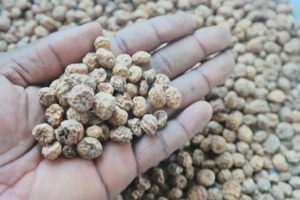
Contact Renamy Global Resources Ltd today if you need a Nigerian tiger nuts exporter for international buyers
However, successful tiger nut exports require more than identifying a buyer. Exporters must ensure accurate product identification, consistent quality, suitable packaging, reliable sourcing and complete documentation.
Renamy Global Resources Ltd supports international trade enquiries with sourcing discussions, buyer-specific specifications and export coordination to help make tiger nut transactions more organized and commercially practical.
1. Understanding Tiger Nut Varieties
Tiger nuts, botanically known as Cyperus esculentus, are edible tubers used in several food applications. They are commonly marketed in different colours and forms, including yellow, brown and darker varieties, depending on the material and commercial classification.
Buyers may distinguish products by appearance, size, texture, taste, intended use and processing requirements. The preferred type depends on whether the nuts will be sold as a snack, processed into tiger nut milk, milled into flour or used as a food ingredient.
Exporters should confirm the exact product type and intended application with buyers before agreeing on specifications. Commercial descriptions should accurately reflect the goods being supplied.
2. Sourcing Tiger Nuts in Nigeria
Reliable sourcing is essential for maintaining product consistency and fulfilling international orders. Exporters should assess suppliers based on product identity, quality, available quantities, handling practices and the ability to meet agreed specifications.
Before confirming an order, buyers and exporters should establish:
- The required tiger nut variety or commercial type.
- The available quantity and expected supply schedule.
- The intended application and quality requirements.
- The origin and traceability information available.
- The cleaning, sorting and packaging arrangements.
Supply availability and delivery schedules should be confirmed before accepting firm purchase commitments. This helps reduce the risk of shortages, inconsistent quality or delayed shipments.
3. Cleaning and Sorting
Tiger nuts can contain soil, stones, plant debris and other foreign materials following harvesting and handling. Proper cleaning and sorting help improve the presentation and suitability of the product for its intended market.
Cleaning requirements should be agreed upon before processing. Depending on the buyer’s needs, the process may include removing visible debris, separating damaged tubers and sorting the nuts by size or appearance.
Buyers should specify acceptable foreign-matter limits and inspection requirements. Exporters should also ensure that any washing or other cleaning process is followed by appropriate drying where necessary, so the product is not packed with excessive moisture.
4. Grading and Quality Control
Grading allows buyers to assess whether a shipment meets their commercial requirements. Depending on the order, grading may consider size, appearance, colour, cleanliness, damage and consistency.
Exporters should establish written specifications before sourcing or preparing the shipment. Where appropriate, representative samples can help buyers approve the product before a larger order is finalized.
Quality checks should also address signs of mould, unusual odours, pest damage and other defects. Testing or inspection may be necessary depending on the product, destination market and buyer’s requirements.
5. Moisture Control and Storage
Moisture management is critical when preparing dried tiger nuts for export. Excessive moisture can encourage mould growth, deterioration and other quality problems during storage and transportation.
Exporters should agree on suitable moisture requirements with buyers and use appropriate inspection or testing methods where necessary. The acceptable moisture level should reflect the product’s condition, intended use and applicable market requirements rather than an arbitrary figure.
Tiger nuts should be stored in clean, dry, well-maintained areas protected from rain, dampness, pests and contamination. Proper stock rotation and inspection before packing can further reduce quality risks.
6. Packaging for International Markets
Packaging protects tiger nuts during handling, warehousing and transportation. The most suitable option depends on order volume, distribution arrangements, destination requirements and whether the product will be sold in bulk or retail quantities.
Available options may include suitable food-grade bags, bulk packaging and customized packaging agreed upon with the buyer. Packaging should protect the product from moisture, contamination and physical damage.
Retail distributors may require smaller packs, branded designs or private-label packaging, while industrial buyers may prefer larger quantities. Labelling should meet the applicable requirements of the destination market.
7. Export Documentation and Compliance
Accurate documentation is essential for smooth international trade. Requirements depend on the destination country, product classification, transaction terms and applicable regulations.
Depending on the shipment, relevant documents may include:
- Commercial invoice.
- Packing list.
- Certificate of origin, where required.
- Bill of lading or other transport document.
- Phytosanitary certificate or other regulatory documentation, where applicable.
- Relevant inspection, testing or food safety documents, where required.
Nigerian exporters should confirm applicable export procedures and regulatory requirements with the relevant authorities and service providers before shipment. Importers should independently verify destination-country requirements, including any restrictions or conditions applying to dried agricultural products.
Product descriptions, quantities, packaging details and origin information should be consistent across the documents.
8. Shipping and Delivery Arrangements
Shipping arrangements depend on the order quantity, destination, delivery schedule and agreed commercial terms. Buyers and exporters should confirm the port of loading, freight arrangements, insurance responsibilities and allocation of costs before the transaction is finalized.
FOB, CFR and CIF terms may be considered where appropriate. The parties should specify the applicable Incoterms rule and named port or destination in the sales agreement.
Exporters should also coordinate packing schedules, cargo readiness, transport bookings and document preparation. Delivery timelines must reflect actual sourcing, handling and shipping arrangements rather than unverified estimates.
Trade Specifications
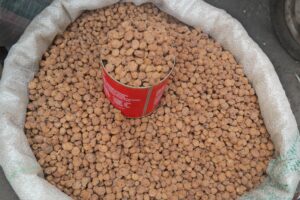
Contact Renamy Global Resources Ltd today if you need a Nigerian tiger nuts exporter for international buyers
Product: Dried Tiger Nuts
Botanical Name: Cyperus esculentus
Origin: Nigeria, Subject to Verification of Supply Origin
Variety: As Agreed with Buyer
Quality: As Per Agreed Buyer Specification
Cleaning: Cleaned and Sorted, As Agreed
Grading: As Per Buyer Specification
Moisture: As Per Buyer Specification and Applicable Requirements
Foreign Matter: As Per Agreed Specification
Packaging: Suitable Food-Grade Bags, Bulk or Customized Packaging
Minimum Order Quantity: Negotiable
Supply Capacity: Subject to Availability and Confirmation
Port of Loading: To Be Confirmed Based on Shipping Arrangements
Delivery Terms: FOB, CFR or CIF, Where Applicable
Payment Terms: Negotiable
Documentation: Commercial Invoice, Packing List, Certificate of Origin and Other Applicable Export or Regulatory Documents
Source Nigerian Tiger Nuts with Renamy Global Resources Ltd
Exporting tiger nuts successfully requires careful sourcing, agreed quality standards, proper moisture control, suitable packaging and accurate documentation. Addressing these requirements early helps buyers and exporters reduce avoidable delays and build more reliable commercial relationships.
Renamy Global Resources Ltd welcomes enquiries from international importers, agricultural commodity traders, food processors and distributors seeking Nigerian tiger nuts. Share your preferred variety, quantity, quality requirements, packaging preferences and destination to discuss a suitable supply arrangement.
Ready to source tiger nuts from Nigeria? Contact Renamy Global Resources Ltd today to discuss your export requirements.
Email: [email protected]
Phone / WhatsApp: +2348054885543
- Published in Uncategorized
Avoiding Stone Flower Export Pitfalls with Renamy in 2026
Exporting Stone Flower, also known as Kalpasi, requires careful attention to product identification, cleanliness, moisture control, packaging and export documentation. Although this specialty culinary lichen serves particular regional cuisines and spice markets, mistakes in sourcing and preparation can lead to buyer complaints, shipment delays and financial losses.
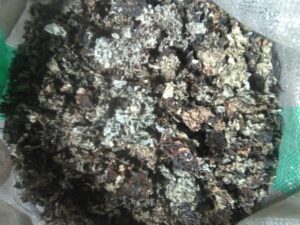
Contact Renamy Global Resources Ltd today to help you avoid Stone Flower export pitfalls
For international buyers, wholesalers and food processors, understanding common Stone Flower export pitfalls helps protect product quality and improve supply chain reliability. Renamy Global Resources Ltd supports buyers with sourcing discussions, agreed specifications and export coordination, subject to verified product identity, origin and availability.
1. Incorrect Product Identification
One of the most important risks is confusing Stone Flower with another dried botanical material or lichen. Common names can vary between regions and suppliers, so a product name alone may not establish its exact identity.
Buyers should confirm the botanical or accepted commercial identity, intended culinary use and source before placing an order. Where appropriate, request representative samples and supporting product information.
Renamy encourages buyers to confirm product identity before finalizing specifications, pricing and shipping arrangements.
2. Excessive Foreign Matter
Stone Flower may contain unwanted materials such as soil, small stones, debris or other foreign matter if suppliers do not handle it carefully.
Excessive foreign matter can affect appearance, increase cleaning costs and make a shipment unsuitable for the buyer’s intended use. Buyers should specify acceptable cleanliness levels and inspection requirements before ordering.
Cleaning and sorting should follow the agreed specification. Where necessary, buyers can arrange suitable inspections before shipment.
3. Contamination Risks
Contamination can occur during harvesting, handling, processing, storage or transportation. Contact with dirty surfaces, unsuitable packaging or contaminated storage areas may compromise product quality and food safety.
Exporters and suppliers should maintain appropriate handling practices, clean storage conditions and suitable packaging. Buyers should also communicate any destination-market food safety requirements before shipment.
Depending on the destination and applicable regulations, additional testing or documentation may be necessary. Suppliers should not claim compliance with a certification or standard unless they can substantiate it.
4. Poor Moisture Control
Excessive moisture can encourage deterioration, mould growth and loss of quality during storage or transportation. However, buyers should avoid imposing arbitrary moisture limits without considering the product, applicable requirements and agreed specifications.
Before an order is confirmed, both parties should establish the moisture requirements and appropriate inspection or testing method. Suppliers should store dried Stone Flower under suitable conditions and protect it from damp environments.
Clear moisture specifications help reduce disagreements during inspection and delivery.
5. Poor Storage Practices
Even correctly identified and cleaned Stone Flower can deteriorate if stored improperly. Exposure to humidity, direct sunlight, pests, strong odours or unsuitable storage surfaces may affect its condition.
Suppliers should keep the product in a clean, dry, well-maintained storage area and protect it from contamination. They should also use suitable stock rotation practices and inspect products before packing.
Buyers should discuss expected storage periods and transportation conditions when planning bulk purchases.
6. Inconsistent Grading and Quality
Inconsistent grading can create problems for importers who need predictable quality across multiple orders. Differences in cleanliness, appearance, particle size or the proportion of unwanted material may affect processing and resale.
To reduce this risk, buyers should provide written specifications covering the characteristics that matter to their business. Both parties should agree on sampling, inspection and acceptance procedures before shipment.
Where repeat orders are expected, retaining an approved reference sample can help suppliers and buyers maintain consistency, provided the sample remains representative of the agreed product.
7. Unsuitable Packaging
Packaging that does not protect dried Stone Flower from moisture, contamination or physical damage can undermine an otherwise satisfactory shipment.
Buyers should specify packaging material, pack size, sealing requirements, labelling information and any private-label needs before production or packing begins. Food-contact packaging must be suitable for the intended use and comply with applicable requirements.
For international shipments, packaging should also be appropriate for handling, stacking and transportation. Buyers seeking private-label packaging should approve the artwork and required label details in advance.
8. Export Documentation Errors
Incomplete or inconsistent documentation can delay customs clearance and create additional costs. Common problems include differences in product descriptions, quantities, package counts, origin information and details across shipping documents.
Before dispatch, the exporter and buyer should confirm the documents required for the destination market. Depending on the transaction and applicable rules, these may include a commercial invoice, packing list, certificate of origin, transport document and relevant permits or regulatory certificates.
The product description and origin must reflect the actual goods and verified supply source. Importers should also confirm whether the destination country imposes specific requirements on culinary lichens or dried food ingredients.
9. How Buyers Can Reduce Stone Flower Export Risks
International buyers can reduce avoidable problems by following a practical checklist:
- Confirm the exact product identity and verified origin.
- Provide written cleaning, grading and quality specifications.
- Agree on moisture requirements and inspection procedures.
- Request representative samples where appropriate.
- Confirm suitable food-grade packaging and labelling.
- Verify destination-market import requirements before shipment.
- Review quantities, product descriptions and origin details across documents.
- Agree on payment terms, delivery responsibilities and shipping arrangements in writing.
These steps help both parties establish clear expectations before committing funds or dispatching goods.
Trade Specifications
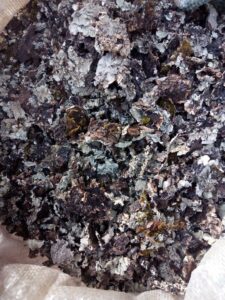
Contact Renamy Global Resources Ltd today to help you avoid Stone Flower export pitfalls
Product: Dried Stone Flower (Kalpasi)
Product Identity: Culinary Lichen; Exact Product Identity to Be Confirmed
Origin: To Be Confirmed Based on Verified Supply Source
Quality: As Per Agreed Buyer Specification
Cleaning: Cleaned and Sorted, As Agreed
Grading: As Per Buyer Specification
Foreign Matter: As Per Buyer Specification
Moisture: As Per Buyer Specification
Packaging: Suitable Food-Grade Packaging; Customized Packaging Subject to Confirmation
Minimum Order Quantity: Negotiable
Supply Capacity: Subject to Availability and Confirmation
Port of Loading: To Be Confirmed Based on Sourcing and Shipping Arrangements
Delivery Terms: FOB, CFR or CIF, Where Applicable
Payment Terms: Negotiable
Documentation: Commercial Invoice, Packing List, Certificate of Origin and Other Applicable Export or Regulatory Documents
Source Stone Flower with Greater Confidence
Avoiding Stone Flower export pitfalls begins with accurate product identification, agreed quality specifications, appropriate handling and complete documentation. Buyers who address these requirements early can reduce misunderstandings and improve coordination throughout the transaction.
Renamy Global Resources Ltd welcomes enquiries from spice wholesalers, food processors and international ingredient distributors seeking Stone Flower sourcing and export coordination. Share your required quantity, quality specifications, packaging preferences and destination to discuss a suitable arrangement.
Ready to discuss your Stone Flower requirements? Contact Renamy Global Resources Ltd today.
Email: [email protected]
Phone / WhatsApp: +2348054885543
- Published in Uncategorized
Why Choose Renamy for Stone Flower Export in 2026?
International buyers sourcing Stone Flower, also known as Kalpasi, need a supplier that understands product requirements, quality expectations and export coordination. Used as a specialty spice in selected regional cuisines, this culinary lichen requires accurate identification, suitable handling and clear specifications before shipment.
Contact Renamy Global Resources Ltd today if you need a Stone Flower exporter for international buyers
Renamy Global Resources Ltd works with international buyers to discuss sourcing, packaging, documentation and logistics requirements, subject to confirmed product availability and origin.
Reliable Sourcing
Reliable sourcing starts with confirming the exact product, its origin and its suitability for the buyer’s intended market. Since common names can refer to different products, buyers should verify that the supplied lichen matches their requirements.
Renamy coordinates sourcing discussions around buyer specifications, required quantities and destination. Product identity and availability should be confirmed before commercial terms are finalized.
Quality Assurance
Quality matters to spice traders, food processors and specialty ingredient distributors. Buyers may assess Stone Flower based on cleanliness, appearance, aroma, moisture condition and foreign matter.
Renamy works with agreed specifications to help establish clear expectations before shipment. Buyers can also request samples or appropriate inspection and testing arrangements where necessary.
Competitive Pricing
Importers need pricing that supports their purchasing and distribution plans. The cost of Stone Flower may depend on verified origin, grade, cleaning requirements, order quantity, packaging and shipping destination.
Renamy invites buyers to discuss their specific requirements so that quotations can reflect the actual product and transaction. This helps avoid unrealistic expectations and makes commercial discussions more transparent.
Bulk Supply Opportunities
Spice wholesalers and ingredient distributors may require larger quantities, while smaller businesses may prefer more modest orders to assess market demand.
Renamy can discuss order quantities based on confirmed availability and sourcing arrangements. Minimum quantities and supply capacity should be agreed before an order is accepted.
Export Expertise
International commodity transactions require coordination across sourcing, product preparation, packaging, documentation and shipping. Weak coordination can create delays or misunderstandings.
Renamy supports the export process by discussing buyer requirements and coordinating the necessary arrangements for confirmed orders. This helps buyers understand the steps involved before shipment.
Documentation Support
Export documents must accurately describe the product, quantity, origin and shipment. Depending on the destination and applicable regulations, buyers may require a Commercial Invoice, Packing List, Certificate of Origin, Bill of Lading and relevant food-safety or regulatory documents.
Renamy supports coordination of applicable documentation. Buyers should confirm destination-specific import requirements in advance, particularly those relating to edible lichens and food ingredients.
Logistics Coordination
Shipping arrangements depend on the product’s actual source, export route, destination and agreed delivery terms. FOB, CFR or CIF may be considered where appropriate.
Renamy discusses logistics requirements with buyers before confirming shipping arrangements. The port of loading and delivery schedule must reflect the verified supply route rather than an assumed location.
Responsive Customer Service
Clear communication helps international buyers make informed purchasing decisions. Buyers may need information about product identity, quality specifications, packaging, quantities, pricing and shipment requirements.
Renamy encourages direct communication throughout the sourcing and export process so that questions can be addressed and order details clarified before shipment.
Trade Specifications

Contact Renamy Global Resources Ltd today if you need a Stone Flower exporter for international buyers
Product: Dried Stone Flower (Kalpasi)
Product Identity: Culinary Lichen; Exact Product Identity to Be Confirmed
Origin: To Be Confirmed Based on Verified Supply Source
Quality: As Per Agreed Buyer Specification
Cleaning: Cleaned and Sorted, As Agreed
Foreign Matter: As Per Buyer Specification
Moisture: As Per Buyer Specification
Packaging: Suitable Food-Grade Packaging, Customized Bags or Buyer-Specified Packaging
Minimum Order Quantity: Negotiable
Supply Capacity: Subject to Availability and Confirmation
Port of Loading: To Be Confirmed Based on Sourcing and Shipping Arrangements
Delivery Terms: FOB, CFR, CIF, Where Applicable
Payment Terms: Negotiable
Documentation: Commercial Invoice, Packing List, Certificate of Origin and other applicable export or regulatory documents.
Discuss Your Stone Flower Requirements with Renamy
Choosing an export partner involves more than comparing prices. Product identification, verified origin, quality specifications, packaging, documentation and logistics all influence the success of an international transaction.
Renamy Global Resources Ltd welcomes enquiries from spice traders, food processors and specialty ingredient distributors interested in discussing Stone Flower sourcing and export arrangements.
Looking for a Stone Flower sourcing partner? Contact Renamy Global Resources Ltd to discuss your required specifications, quantity, packaging and destination.
Email: [email protected]
Phone / WhatsApp: +2348054885543
- Published in Uncategorized
Imported Whole Wheat Flour Supplier in Nigeria | Wholesale Flour
Buy Premium Imported Whole Wheat Flour in Nigeria
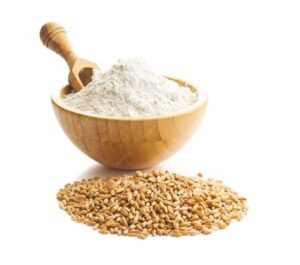
Premium Imported Whole Wheat Flour for Bakeries, Food Manufacturers, and Wholesale Distribution
If you are looking for a reliable imported whole wheat flour supplier in Nigeria, Renamy Global Resources Ltd supplies premium-quality whole wheat flour to commercial bakeries, food manufacturers, wholesalers, distributors, retailers, supermarkets, hotels, caterers, and industrial food processors across Nigeria and West Africa.
Our imported whole wheat flour is produced from carefully selected milling wheat and processed to meet strict international quality standards. Whether you require commercial quantities for manufacturing or packaged flour for retail distribution, we provide flexible supply solutions, competitive pricing, and dependable logistics support.
What Is Whole Wheat Flour?
Whole wheat flour is produced by milling the entire wheat kernel, including the bran, germ, and endosperm. Because all parts of the grain are retained, whole wheat flour contains higher levels of dietary fiber, vitamins, minerals, and natural nutrients than refined white flour.
As consumer demand for healthier foods continues to grow, whole wheat flour remains one of the most sought-after ingredients in commercial baking and food manufacturing.
Why Imported Whole Wheat Flour Is Preferred by Commercial Buyers
Many flour users choose imported whole wheat flour because of its consistent quality and superior processing characteristics.
Key advantages include:
- Consistent flour texture
- Reliable baking performance
- Uniform protein levels
- Excellent dough handling properties
- Improved nutritional value
- Consistent production results
- Longer storage stability
- Uniform product quality across batches
For food manufacturers and bakeries, consistency is critical. Imported flour helps maintain production efficiency and customer satisfaction.
Commercial Applications of Whole Wheat Flour
Whole Wheat Bread Production
Whole wheat flour is widely used in the production of:
- Sandwich bread
- Sourdough bread
- Artisan loaves
- Flatbreads
- Burger buns
- Dinner rolls
The natural fiber content and rich flavor make it ideal for health-conscious consumers.
Commercial Bakery Manufacturing
Bakeries use whole wheat flour for:
- Bread production
- Cakes
- Muffins
- Cookies
- Biscuits
- Pastries
Its nutritional profile allows bakeries to develop premium and health-focused product lines.
Food Processing Industry
Food manufacturers use imported whole wheat flour for:
- Breakfast cereals
- Packaged food products
- Healthy snack production
- Nutritional foods
- Ready-to-eat meals
The growing demand for healthier food alternatives has significantly increased the commercial use of whole wheat flour.
Hotel, Restaurant and Catering Services
Hotels, restaurants, and institutional caterers use whole wheat flour for:
- Bread production
- Pizza dough
- Flatbread preparation
- Healthy menu offerings
Growing Demand for Whole Wheat Flour in Nigeria
The Nigerian food sector continues to experience growing demand for healthier grain-based products. Consumers are increasingly choosing foods made with whole grains due to their fiber content and nutritional benefits.
This trend has created strong demand among:
- Commercial bakeries
- Supermarket chains
- Food manufacturers
- Wholesalers
- Catering businesses
- Health food retailers
Businesses that maintain reliable access to premium whole wheat flour are better positioned to meet evolving consumer preferences.
Benefits of Whole Wheat Flour
Whole wheat flour offers numerous benefits for both manufacturers and consumers.
Rich in Dietary Fiber
Whole wheat flour retains the wheat bran, making it naturally rich in fiber.
Natural Nutrient Retention
Contains naturally occurring:
- B vitamins
- Iron
- Magnesium
- Zinc
- Antioxidants
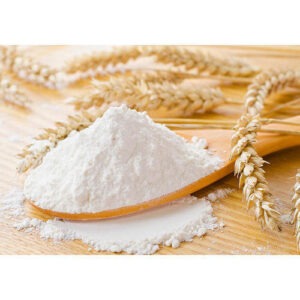
High-Quality Whole Wheat Flour for Commercial Baking and Food Processing
Superior Texture and Flavor
Provides a richer flavor profile and distinctive texture suitable for premium baked products.
Suitable for Multiple Product Categories
Can be used across:
- Bakery products
- Health foods
- Snacks
- Cereals
- Catering operations
Wholesale Whole Wheat Flour Supply
Renamy Global Resources supplies wholesale quantities of imported whole wheat flour to businesses throughout Nigeria and West Africa.
Our wholesale customers include:
Commercial Bakeries
Reliable flour supply for daily production requirements.
Food Processing Companies
Consistent raw materials for manufacturing operations.
Food Distributors
Bulk flour for regional and national distribution networks.
Supermarkets and Retail Chains
Retail-ready packaging suitable for shelf display.
Agricultural Commodity Traders
Commercial supply arrangements for local and regional markets.
Hotels and Institutional Caterers
Food-grade flour for large-scale kitchen operations.
Whole Wheat Flour Specifications
Every shipment is supplied according to commercial quality standards.
Product Specifications
- Product Name: Whole Wheat Flour
- Product Type: Food Grade Flour
- Source Material: Premium Milling Wheat
- Color: Natural Brown
- Texture: Fine Powder
- Moisture Level: Industry Standard
- Packaging: Retail and Commercial Options
- Storage Condition: Cool and Dry Environment
Specifications may vary depending on origin and buyer requirements.
Packaging Options
We provide multiple packaging solutions for various market segments.
Retail Packaging
Available in:
- 1kg bags
- 2kg bags
- 5kg bags
Suitable for:
- Supermarkets
- Grocery stores
- Retail distributors
Commercial Packaging
Available in:
- 25kg bags
- 50kg bags
Suitable for:
- Bakeries
- Food manufacturers
- Food service providers
- Distributors
Private Label Packaging
Custom packaging and branding solutions are available for qualified commercial customers.
Quality Assurance and Product Safety
All flour products supplied by Renamy Global Resources are sourced from reputable international producers committed to quality and food safety.
Available documentation may include:
- Certificate of Analysis (CoA)
- Certificate of Origin
- Quality Assurance Documentation
- Shipping Documentation
- Import Documentation
This helps commercial buyers maintain compliance and quality control requirements.
Why Choose Renamy Global Resources?
Trusted Wholesale Supplier
We maintain relationships with reliable international suppliers to ensure product availability and consistency.
Competitive Bulk Pricing
Our sourcing network allows us to provide cost-effective pricing for commercial buyers.
Flexible Delivery Arrangements
We support:
- Container shipments
- Warehouse delivery
- Port delivery
- Commercial distribution requirements
Professional Customer Support
Our team assists with:
- Product enquiries
- Volume planning
- Packaging selection
- Logistics coordination
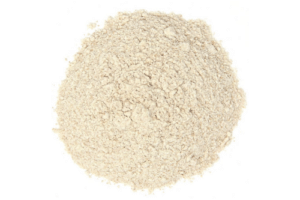
Premium Milling Wheat Processed into Nutritious Whole Wheat Flour
How to Order Wholesale Whole Wheat Flour
Step 1: Select Product Type
Choose your required whole wheat flour specification.
Step 2: Specify Quantity
Provide your required volume in:
- Bags
- Pallets
- Containers
- Tonnage
Step 3: Choose Packaging
Select retail or commercial packaging options.
Step 4: Provide Delivery Location
Specify your destination warehouse, city, or port.
Step 5: Request a Quotation
Receive a competitive quote based on product availability and logistics requirements.
Frequently Asked Questions
Where can I buy imported whole wheat flour in Nigeria?
Renamy Global Resources supplies imported whole wheat flour to commercial buyers throughout Nigeria and West Africa.
Do you offer wholesale whole wheat flour?
Yes. We supply commercial quantities suitable for bakeries, food manufacturers, distributors, and retailers.
Is your whole wheat flour suitable for baking?
Yes. Our flour is suitable for bread production, pastries, cakes, cookies, and other bakery applications.
Can supermarkets purchase retail packs?
Yes. We supply retail-ready packaging suitable for supermarkets and grocery stores.
Do you provide bulk supply options?
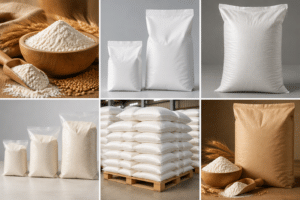
Bulk Whole Wheat Flour Supply for Retail and Commercial Markets
Yes. Bulk supply solutions are available for commercial and industrial buyers.
Source Premium Imported Whole Wheat Flour Today
Whether you operate a bakery, food manufacturing facility, supermarket chain, distribution company, food service business, or agricultural trading company, Renamy Global Resources Ltd is ready to support your wholesale whole wheat flour requirements.
Renamy Global Resources Ltd
Email: [email protected]
Phone & WhatsApp: +234 805 488 5543
- Published in Uncategorized
Customizing Your Stone Flower Orders with Renamy in 2026
International buyers sourcing Stone Flower, also known as Kalpasi, may have different requirements for quantity, cleanliness, grading, packaging and delivery. Spice wholesalers, food processors and specialty ingredient distributors often need products prepared to suit their markets and operational needs.
Contact Renamy Global Resources Ltd today for customized stone flower orders for international buyers
Renamy Global Resources Ltd works with buyers to discuss customized sourcing and export arrangements, subject to verified product identity, origin and availability.
Bulk Stone Flower Quantities
Bulk purchasing can help spice traders and ingredient distributors plan inventory and serve their customers. However, order volumes depend on market demand, storage capacity, budget and the availability of suitable product.
Renamy discusses quantity requirements with prospective buyers before confirming an order. Minimum order quantities and supply capacity depend on verified availability and the agreed commercial arrangement.
Cleaning Requirements
Stone Flower may contain soil, small stones, plant debris or other foreign materials. Buyers therefore need to specify the level of cleaning required for their intended application.
Some buyers may request carefully sorted material with minimal foreign matter, while others may have additional inspection requirements. Renamy can discuss these preferences before sourcing and preparation begin.
Grading and Quality Specifications
Buyers may assess Stone Flower according to product identity, appearance, aroma, cleanliness and other agreed quality parameters. Because the product is a culinary lichen, accurate identification is particularly important.
Renamy encourages buyers to provide clear specifications before confirming an order. Where necessary, samples, inspections or appropriate testing can help both parties establish whether the product meets the agreed requirements.
Flexible Packaging Options
Packaging must protect Stone Flower during handling, storage and international transportation. The preferred format may depend on order size, distribution arrangements and destination requirements.
Renamy can discuss suitable food-grade packaging, sealed bags, bulk packaging and customized options. Packaging materials should be appropriate for dried culinary ingredients and help protect the product from moisture and contamination.
Customized and Private-Label Packaging
Importers and distributors may wish to sell Stone Flower under their own brands. Private-label packaging can support their existing product ranges and distribution strategies.
Renamy can discuss customized packaging requirements, including buyer-specified labels and formats, where feasible. Buyers should confirm artwork, packaging specifications, applicable labelling rules and minimum production requirements before placing an order.
Flexible Order Sizes
Different businesses require different purchasing quantities. A specialty retailer may need a smaller consignment, while an established wholesaler may require larger volumes.
Renamy discusses order sizes according to buyer needs and confirmed supply availability. Buyers should provide their preferred quantity early so that sourcing, packaging and shipping arrangements can be assessed before the order is finalized.
Delivery Terms and Shipping Arrangements
Delivery arrangements depend on the verified product origin, export route and destination. Buyers should confirm the port of loading, estimated shipping schedule, packaging, documentation and delivery responsibilities before committing to a transaction.
FOB, CFR or CIF terms may be discussed where appropriate. Renamy coordinates shipping requirements according to the agreed transaction rather than assuming a particular port or route.
Trade Specifications
Contact Renamy Global Resources Ltd today for customized stone flower orders for international buyers
Product: Dried Stone Flower (Kalpasi)
Product Identity: Culinary Lichen; Exact Product Identity to Be Confirmed
Origin: To Be Confirmed Based on Verified Supply Source
Quality: As Per Agreed Buyer Specification
Cleaning: Cleaned and Sorted, As Agreed
Grading: As Per Buyer Specification
Foreign Matter: As Per Buyer Specification
Moisture: As Per Buyer Specification
Packaging: Suitable Food-Grade Packaging, Customized or Private-Label Packaging, Subject to Confirmation
Minimum Order Quantity: Negotiable
Supply Capacity: Subject to Availability and Confirmation
Port of Loading: To Be Confirmed Based on Sourcing and Shipping Arrangements
Delivery Terms: FOB, CFR, CIF, Where Applicable
Payment Terms: Negotiable
Documentation: Commercial Invoice, Packing List, Certificate of Origin and other applicable export or regulatory documents.
Customize Your Stone Flower Order with Renamy
Customized export orders allow buyers to communicate their preferred quantity, cleanliness, grading, packaging and delivery arrangements before shipment. Clear specifications also help reduce misunderstandings and support smoother international transactions.
Renamy Global Resources Ltd welcomes enquiries from spice traders, food processors and specialty ingredient distributors interested in Stone Flower sourcing and export coordination.
Ready to discuss a customized Stone Flower order? Contact Renamy Global Resources Ltd with your required quantity, quality specifications, packaging preferences and destination.
Email: [email protected]
Phone / WhatsApp: +2348054885543
- Published in Uncategorized
Renamy Meets the Rising Global Demand for Stone Flower in 2026
Stone Flower, also known as Kalpasi, is a distinctive culinary lichen used as a spice in selected regional cuisines. Its earthy aroma and flavour make it a specialised ingredient for traditional dishes, spice blends and certain meat preparations. For spice traders, food processors and specialty ingredient distributors, Kalpasi offers an opportunity to serve consumers seeking authentic culinary ingredients.
Contact Renamy Global Resources Ltd today to help you meet your export demands for Stone Flower (Kalpasi)
As international food businesses explore regional flavours and traditional ingredients, reliable sourcing and consistent product quality remain important. Renamy Global Resources Ltd works with buyers to discuss sourcing requirements, product specifications and export arrangements, subject to confirmed availability.
Culinary Uses Drive Buyer Interest
Stone Flower is valued for its distinctive contribution to selected traditional recipes. In some Indian regional cuisines, particularly Maharashtrian cooking, it is used in spice blends and meat dishes to provide an earthy aroma and depth of flavour.
Its specialised use makes accurate product identification important. Buyers should confirm that the supplied lichen matches their culinary requirements before placing bulk orders.
Renamy can discuss product specifications and sourcing needs with spice importers and food businesses seeking this ingredient.
Opportunities for Spice Traders
Spice traders supply ingredients to retailers, wholesalers, restaurants and food manufacturers. Specialty spices such as Kalpasi can complement broader product ranges serving customers who prepare regional and traditional dishes.
However, commercial buyers need reliable product descriptions, consistent presentation and suitable packaging. They also need suppliers who communicate clearly about origin, quantity and availability.
Renamy works with buyers to clarify these requirements and coordinate sourcing discussions before confirming an order.
Demand from Traditional Food Businesses
Restaurants, traditional food producers and regional cuisine specialists may require Kalpasi for recipes that depend on its distinctive flavour. Food businesses serving customers who value authentic ingredients may therefore seek dependable sources of the spice.
For these buyers, product identity and cleanliness matter. Substituting another lichen or supplying material with excessive foreign matter can affect both recipe consistency and customer satisfaction.
Renamy encourages buyers to establish clear product requirements before sourcing and shipment arrangements begin.
Food Processors and Specialty Ingredient Distributors
Specialty ingredient distributors supply spices to food manufacturers, commercial kitchens and other businesses. Some processors may purchase Kalpasi for inclusion in specific spice blends or regional food products.
These buyers may request defined grades, particular packaging formats, product samples and supporting quality information. Depending on the intended use, they may also require testing or documentation to meet food-safety and import regulations.
Renamy can discuss such requirements with prospective buyers and coordinate suitable export arrangements when the product and supply source have been confirmed.
What International Buyers Expect
Global buyers need more than product availability. They also expect clear communication, appropriate handling, suitable packaging and accurate shipping documents.
Key considerations include product identity, verified country of origin, cleanliness, moisture condition, foreign matter, order quantity and destination requirements. Buyers should also check import rules for edible lichens and confirm whether additional food-safety or regulatory documents are necessary.
Renamy supports buyers by discussing specifications and coordinating applicable documentation and logistics according to the confirmed transaction.
How Renamy Supports International Buyers
Renamy Global Resources Ltd works with international buyers to clarify product requirements, discuss order quantities, coordinate packaging and support export documentation and shipping arrangements.
Before an order is confirmed, the product identity, actual origin, available quantity and shipping route should be verified. This helps establish realistic expectations and reduces the risk of misunderstandings during international trade.
Trade Specifications
Contact Renamy Global Resources Ltd today to help you meet your export demands for Stone Flower (Kalpasi)
Product: Dried Stone Flower (Kalpasi)
Product Identity: Culinary Lichen; Exact Product Identity to Be Confirmed
Origin: To Be Confirmed Based on Verified Supply Source
Quality: As Per Agreed Buyer Specification
Cleaning: Cleaned and Sorted, As Agreed
Foreign Matter: As Per Buyer Specification
Moisture: As Per Buyer Specification
Packaging: Suitable Food-Grade Packaging, Customized Bags or Buyer-Specified Packaging
Minimum Order Quantity: Negotiable
Supply Capacity: Subject to Availability and Confirmation
Port of Loading: To Be Confirmed Based on Sourcing and Shipping Arrangements
Delivery Terms: FOB, CFR, CIF, Where Applicable
Payment Terms: Negotiable
Documentation: Commercial Invoice, Packing List, Certificate of Origin and other applicable export or regulatory documents.
Source Stone Flower with Renamy
Stone Flower offers a specialised opportunity for spice traders, traditional food businesses, food processors and ingredient distributors serving markets interested in regional culinary ingredients. However, successful trade depends on accurate identification, verified origin, agreed quality specifications and compliance with destination requirements.
Renamy Global Resources Ltd welcomes enquiries from international buyers interested in discussing Stone Flower sourcing and export arrangements.
Looking for a Stone Flower supplier for your market? Contact Renamy Global Resources Ltd to discuss product specifications, quantities, packaging and destination requirements.
Email: [email protected]
Phone / WhatsApp: +2348054885543
- Published in Uncategorized
The Complete Renamy Guide to Exporting Stone Flower (Kalpasi)
Stone Flower, commonly known as Kalpasi, is a lichen used as a specialty spice in selected regional cuisines. It adds a distinctive earthy aroma and flavour to certain spice blends, curries, meat dishes and traditional recipes. Its specialised culinary applications create opportunities for suppliers serving spice traders, food processors and international ingredient buyers.
Contact Renamy Global Resources Ltd today if you need a Stone Flower (Kalpasi) supplier for international buyers
However, successful Stone Flower exports require accurate product identification, reliable sourcing, careful cleaning, appropriate packaging and correct documentation. Renamy Global Resources Ltd supports international buyers with sourcing coordination and export services, subject to product availability and verification of origin.
Identifying Stone Flower (Kalpasi)
Before purchasing Stone Flower, buyers should confirm the product’s identity and intended grade. Kalpasi refers to particular edible lichens used as spices, and products sold under similar common names may not always be identical.
Importers should communicate their required product description, appearance, cleanliness and intended application before confirming an order. Where necessary, botanical identification and supporting product documentation can help avoid confusion between similar-looking materials.
Renamy works with buyers to clarify product requirements before sourcing and shipment arrangements begin.
Reliable Sourcing
Reliable sourcing starts with confirming product availability, origin and suitability for the intended market. Buyers should establish whether the supplier can provide the required quantity and quality consistently.
Renamy coordinates sourcing discussions around buyer specifications, order volume and destination. Because the origin of Kalpasi must be verified for each supply arrangement, buyers should request confirmation of the actual source before finalising commercial terms.
Cleaning and Grading
Stone Flower may contain unwanted materials such as soil, small stones, plant debris and other foreign matter. Poor cleaning can affect product quality and reduce its acceptance by spice traders and food processors.
Appropriate sorting and cleaning help improve product presentation and remove unwanted materials. Buyers should agree on the required cleanliness, grading and acceptable foreign matter levels before shipment.
Renamy coordinates preparation requirements according to the agreed order specifications.
Quality Specifications
International buyers may assess Stone Flower based on product identity, appearance, aroma, cleanliness, moisture condition and foreign matter. Additional requirements may apply depending on the buyer’s intended use and the destination country’s food regulations.
Where applicable, buyers can request product samples, inspection records or laboratory testing to verify agreed requirements. Suppliers should not claim a particular grade or certification unless they can substantiate it.
Renamy encourages clear specifications before order confirmation to help reduce misunderstandings and quality disputes.
Packaging Options
Suitable packaging helps protect dried Stone Flower during storage, handling and transportation. Buyers may prefer food-grade inner packaging, sealed bags, bulk packaging or customised formats according to their distribution needs.
Renamy can discuss PP bags, customised packaging or other buyer-specified options, subject to suitability for the product and destination requirements. Packaging should protect the product from moisture, contamination and unnecessary handling.
Private-label packaging can also be discussed where the buyer requires branded presentation and the necessary arrangements are confirmed in advance.
Export Documentation
Accurate documentation is essential for international shipments. Requirements depend on the product’s verified origin, classification, destination and applicable import regulations.
Depending on the transaction, documents may include a Commercial Invoice, Packing List, Certificate of Origin, Bill of Lading and any applicable phytosanitary, food-safety or other regulatory documents. Buyers should confirm import permit and inspection requirements with the relevant destination authorities before shipment.
Renamy supports coordination of applicable export documentation to help buyers prepare for customs clearance.
Shipping and International Buyer Requirements
Shipping arrangements depend on the verified source of the product, the export route and the destination. Before confirming an order, buyers should agree on the quantity, packaging, inspection requirements, shipping schedule, payment terms and delivery conditions.
FOB, CFR or CIF terms may be discussed where appropriate for the transaction. The port of loading must be confirmed according to the actual sourcing and shipping arrangements; Lagos, Nigeria, should be stated only when the shipment is genuinely arranged through that port.
Clear communication between the supplier, buyer and logistics providers helps reduce avoidable delays and supports smoother delivery.
Trade Specifications
Contact Renamy Global Resources Ltd today if you need a Stone Flower (Kalpasi) supplier for international buyers
Product: Dried Stone Flower (Kalpasi)
Product Identity: Culinary Lichen; Exact Product Identity to Be Confirmed
Origin: To Be Confirmed Based on Verified Supply Source
Quality: As Per Agreed Buyer Specification
Cleaning: Cleaned and Sorted, As Agreed
Foreign Matter: As Per Buyer Specification
Moisture: As Per Buyer Specification
Packaging: Suitable Food-Grade Packaging, Customized Bags or Buyer-Specified Packaging
Minimum Order Quantity: Negotiable
Supply Capacity: Subject to Availability and Confirmation
Port of Loading: To Be Confirmed Based on Sourcing and Shipping Arrangements
Delivery Terms: FOB, CFR, CIF, Where Applicable
Payment Terms: Negotiable
Documentation: Commercial Invoice, Packing List, Certificate of Origin and other applicable export or regulatory documents.
Export Stone Flower with Renamy Global Resources Ltd
Successful Stone Flower exports begin with verified product identity, confirmed origin, clear quality requirements and suitable packaging. Accurate documentation and well-coordinated shipping arrangements are equally important when supplying international spice traders and food ingredient buyers.
Renamy Global Resources Ltd works with buyers to discuss sourcing, specifications, order quantities, packaging and export logistics based on confirmed product availability.
Looking to source Stone Flower (Kalpasi) for your market? Contact Renamy Global Resources Ltd to discuss your required quantity, product specifications, destination and shipping requirements.
Email: [email protected]
Phone / WhatsApp: +2348054885543
- Published in Uncategorized
Wholesale Wheat & Flour Nigeria | Renamy Global Resources
Buy Premium Wholesale Imported Wheat from Renamy Global Resources Ltd
Premium Whole Wheat Flour for Commercial Baking and Food Manufacturing
If you are looking for a reliable wholesale imported wheat supplier in Nigeria, Renamy Global Resources Ltd supplies premium-quality milling wheat, durum wheat, and whole wheat flour to industrial flour mills, commercial bakeries, food manufacturers, food distributors, wholesalers, retailers, supermarkets, and international buyers across West Africa.
As a trusted direct importer and wholesale distributor of agricultural commodities, we source high-quality wheat from leading grain-producing regions in North America, Europe, and Australia. Our supply chain is designed to provide consistent quality, competitive pricing, complete documentation, and efficient logistics support for businesses that require dependable long-term wheat supply.
Whether you need bulk vessel shipments, containerized cargo, or packaged flour products, Renamy Global Resources Ltd delivers reliable wheat supply solutions tailored to your business requirements.
Imported Milling Wheat for Flour Mills and Food Manufacturers
Imported milling wheat is essential for modern food production and commercial flour manufacturing. High-quality wheat ensures consistent flour yield, stronger gluten performance, excellent dough elasticity, and superior baking characteristics.
Our wheat is suitable for:
- Industrial flour milling
- Commercial bread production
- Pasta and semolina manufacturing
- Biscuit and confectionery production
- Food processing industries
- Wholesale food distribution
- Catering and food service operations
- Retail flour packaging
We work closely with flour millers, food processors, and agricultural commodity traders to provide wheat grades that match specific technical and production requirements.
Types of Wheat We Supply
Hard Red Winter Wheat (HRW)
Hard Red Winter Wheat is widely used for commercial bread production and flour milling due to its balanced protein content and excellent baking performance.
Applications include:
- Bread flour production
- Commercial bakeries
- General-purpose flour milling
- Food manufacturing
Benefits:
- Consistent milling quality
- Strong gluten properties
- Reliable baking performance
- Excellent flour extraction rates
Hard Red Spring Wheat (HRS)
Hard Red Spring Wheat is known for its higher protein content and exceptional dough strength.
Suitable for:
- Premium bread flour
- Industrial bakeries
- High-protein flour blends
- Frozen dough production
Benefits:
- Superior gluten strength
- Improved dough tolerance
- Excellent loaf volume
- Consistent flour quality
Durum Wheat for Semolina and Pasta Manufacturing
Durum wheat is the preferred choice for semolina production and premium pasta manufacturing.
Applications include:
- Pasta production
- Macaroni manufacturing
- Noodle production
- Semolina processing
Benefits:
- High protein content
- Strong kernel structure
- Excellent cooking quality
- Superior pasta texture
Why West Africa Depends on Imported Wheat
Nigeria and the broader West African region continue to experience increasing demand for reliable wheat imports.
The food manufacturing sector relies heavily on imported wheat for:
- Bread production
- Flour milling
- Packaged food manufacturing
- Institutional catering
- Consumer retail markets
Industrial flour mills, bakeries, food processing companies, and distributors require a stable supply of premium-grade wheat to meet growing consumer demand and maintain production efficiency.
Renamy Global Resources serves as a strategic link between international agricultural exporters and commercial buyers throughout West Africa.
Commercial Applications of Imported Wheat
Imported milling wheat serves numerous commercial and industrial applications.
Bread and Bakery Production
High-protein wheat is ideal for:
- Sandwich bread
- Artisan bread
- Sourdough bread
- Flatbread production
Flour Milling Operations
Industrial mills use premium wheat for:
- Flour extraction
- Grain blending
- Custom flour formulation
- Commercial flour production
Pasta and Semolina Production
Durum wheat supports:
- Pasta manufacturing
- Semolina milling
- Macaroni production
- Noodle processing
Food Manufacturing
Food processors use wheat for:
- Bakery ingredients
- Packaged foods
- Snack production
- Nutritional products
Retail Flour Packaging
Finished flour products are suitable for:
- Supermarkets
- Grocery retailers
- Wholesale distributors
- Private-label brands
Grain Specifications and Quality Standards
Every shipment supplied by Renamy Global Resources Ltd includes a Certificate of Analysis (CoA) confirming product quality and technical specifications.
Milling Wheat Specifications
- Grain Type: Hard Red Wheat (Non-GMO)
- Protein Content: 11.5% – 14.0%
- Moisture Content: Maximum 12.5%
- Falling Number: 250+ seconds
- Test Weight: Minimum 78 kg/hl
- Gluten Index: 80% – 95%
Durum Wheat Specifications
- Grain Type: Durum Wheat (Non-GMO)
- Protein Content: 13.0% – 15.0%
- Moisture Content: Maximum 12.0%
- Falling Number: 300+ seconds
- Test Weight: Minimum 80 kg/hl
All products are inspected and supplied according to international trade and food safety standards.
Packaging Options for Wholesale Wheat and Flour
We offer flexible packaging solutions to meet the requirements of industrial buyers, wholesalers, distributors, and retail markets.
Industrial and Bulk Packaging
Bulk Vessel Shipments
Suitable for:
- Large flour mills
- Major grain processors
- Port-to-port deliveries
Containerized Cargo
Available in:
- 20-foot containers
- 40-foot containers
- Flexi-bag systems
50kg Woven Polypropylene Bags
Ideal for:
- Flour distributors
- Commercial bakeries
- Regional warehouses
- Agricultural traders
Retail Packaging
1kg and 5kg Consumer Packs
Suitable for:
- Supermarkets
- Grocery stores
- Retail distributors
- Household consumers
Private Label Packaging
Available for:
- Retail brands
- Supermarket chains
- Food distributors
- Commercial clients
Regulatory Compliance and Quality Assurance
Renamy Global Resources ensures that all imported wheat and flour products meet regulatory requirements and international food safety standards.
We provide:
- Phytosanitary Certificates
- Certificates of Analysis (CoA)
- Certificates of Origin
- Customs Documentation
- Import Compliance Documents
- Port Clearance Support
- Logistics Coordination
For Nigerian buyers, we assist with regulatory requirements applicable to domestic distribution and commercial trade.
Why Buy Wholesale Wheat from Renamy Global Resources?
Reliable International Supply Chain
We maintain sourcing partnerships with trusted agricultural exporters across:
- North America
- Europe
- Australia
Consistent Product Quality
All shipments are:
- Lab tested
- Documented
- Professionally inspected
- Commercial-grade
Flexible Commercial Terms
Available trade terms include:
- FOB (Free on Board)
- CIF (Cost, Insurance and Freight)
- DDP (Delivered Duty Paid)
Efficient Logistics Support
Our team assists with:
- Import documentation
- Customs clearance
- Port logistics
- Shipping coordination
Competitive Wholesale Pricing
Bulk purchasing enables businesses to achieve cost efficiency while maintaining consistent production schedules.
Industries We Serve
Our wholesale wheat supply solutions serve:
Industrial Flour Mills
Reliable grain supply for large-scale flour manufacturing.
Commercial Bakeries
Consistent wheat quality for bread, cakes, pastries, and specialty baked products.
Food Manufacturers
Premium raw materials for commercial food processing.
Commodity Traders
Bulk wheat sourcing for local and regional distribution.
Food Wholesalers and Distributors
Commercial quantities for redistribution and retail supply chains.
Supermarket Chains
Packaged flour products and private-label opportunities.
Hotel and Catering Businesses
Food service-grade wheat flour and grain products.
How to Order Bulk Wheat and Flour
Ordering from Renamy Global Resources is simple.
Step 1: Select Your Product
Choose:
- Hard Red Winter Wheat
- Hard Red Spring Wheat
- Durum Wheat
- Whole Wheat Flour
Step 2: Specify Quantity
Provide:
- Total tonnage
- Container quantity
- Number of bags
Step 3: Define Technical Specifications
Indicate:
- Protein level
- Moisture requirements
- Intended application
Step 4: Choose Packaging
Select from:
- Bulk vessel cargo
- Containerized shipments
- 50kg bags
- Retail packaging
Step 5: Provide Destination
Specify:
- Delivery port
- Warehouse location
- Shipping preference
Step 6: Request a Quote
Our team will prepare a competitive quotation based on current market availability and logistics requirements.
Frequently Asked Questions
Can I buy wholesale imported wheat in Nigeria?
Yes. Renamy Global Resources supplies commercial quantities of imported milling wheat and durum wheat to businesses throughout Nigeria and West Africa.
What types of wheat do you import?
We supply Hard Red Winter Wheat (HRW), Hard Red Spring Wheat (HRS), and Durum Wheat.
Do you supply wheat flour?
Yes. We supply premium whole wheat flour in retail and commercial packaging formats.
Do shipments include quality certificates?
Yes. Every shipment includes a Certificate of Analysis and relevant trade documentation.
Can you deliver large quantities?
Premium Imported Wheat Flour for Flour Mills, Bakeries, and Food Manufacturers
Yes. We support both containerized shipments and bulk vessel deliveries.
What industries do you serve?
We supply flour mills, bakeries, food manufacturers, distributors, supermarkets, caterers, and commodity traders.
Request a Wholesale Wheat Supply Quote Today
For businesses seeking a reliable wholesale imported wheat supplier in Nigeria and West Africa, Renamy Global Resources Ltd offers premium-quality grain, consistent supply, flexible logistics, and professional support.
Please Include:
- Product Type
- Quantity Required
- Grain Specifications
- Packaging Preference
- Destination Port or Warehouse
- Delivery Requirements
Contact Renamy Global Resources Ltd
Renamy Global Resources Ltd
Premier Direct Importer and Wholesale Distributor of High-Grade Agricultural Products
Email: [email protected]
Phone & WhatsApp: +234 805 488 5543
For enquiries regarding bulk milling wheat, durum wheat imports, whole wheat flour, food manufacturing supplies, grain distribution, and agricultural commodity sourcing, contact Renamy Global Resources Ltd today.
- Published in Uncategorized