
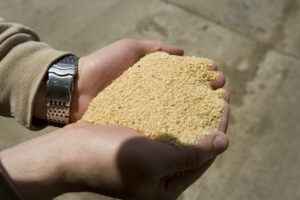
Soya Bean meal from Renamy Global Resources Ltd
Exporting soya bean meal from Nigeria is becoming increasingly important for global feed and industrial markets. Soya bean meal is a high-protein by-product widely used in animal feed, aquaculture, and industrial processing. Nigeria’s expanding oilseed sector, combined with reliable exporters like Renamy Global Resources Ltd, makes the country a dependable source for international buyers.
This guide explains how soya bean meal is sourced, processed, documented, and shipped from Nigeria to global markets.
What Is Soya Bean Meal and Why It Matters
Soya bean meal is produced after oil extraction from whole soya beans. It is valued for its high protein content and digestibility, making it essential for:
-
Poultry, cattle, and fish feed
-
Aquaculture and livestock nutrition
-
Industrial protein formulations
-
Feed premixes and concentrates
Because quality directly affects animal performance, buyers must source export-grade soya bean meal from compliant suppliers.
Sourcing Soya Bean Meal in Nigeria
Nigeria has a strong base of soya bean farmers and processors across key agricultural regions. Soya bean meal export from Nigeria benefits from:
-
Large availability of non-GMO soya beans
-
Established oil mills producing consistent meal quality
-
Competitive pricing compared to other origins
At Renamy Global Resources Ltd, sourcing is done through verified processors using traceable raw materials to ensure consistent protein levels and safety.
Processing Standards for Export-Grade Soya Bean Meal
Processing quality is critical in soya bean meal exporting from Nigeria. Export-ready meal must meet international feed standards.
Key processing requirements include:
-
Proper heat treatment to remove anti-nutritional factors
-
Controlled moisture levels to prevent spoilage
-
Uniform particle size for easy feed formulation
-
Absence of mold, toxins, and contaminants
Renamy Global Resources Ltd works with processors that follow strict quality control and hygiene procedures.
Quality Specifications for Nigerian Soya Bean Meal
International buyers typically require the following specifications:
-
Protein Content: 44–48%
-
Moisture Content: Maximum 12%
-
Fiber Content: Within feed-grade limits
-
Foreign Matter: Minimal and controlled
-
Appearance: Uniform, free-flowing meal
Each shipment is inspected to ensure compliance with buyer requirements.
Export Documentation for Soya Bean Meal
Accurate documentation is essential when exporting soya bean meal from Nigeria. Missing documents can cause costly delays.
Required export documents include:
-
Phytosanitary Certificate
-
Certificate of Origin
-
Fumigation Certificate
-
Quality Inspection Report
-
Bill of Lading
-
Commercial Invoice and Packing List
Renamy Global Resources Ltd manages all export documentation to ensure smooth clearance at destination ports.
Logistics and Shipping from Nigeria
Soya bean meal is shipped through Lagos Port, Nigeria’s main export hub. Logistics planning focuses on:
-
Proper bagging and container loading
-
Moisture protection during transit
-
Timely vessel booking and dispatch
Export shipments are typically loaded in 50kg polypropylene bags or bulk packaging, depending on buyer preference.
Why Global Buyers Choose Renamy Global Resources Ltd
International buyers trust Renamy Global Resources Ltd for soya bean meal export from Nigeria because we offer:
-
Verified sourcing and processing partners
-
Strict quality and safety checks
-
Complete export documentation handling
-
Reliable shipping and logistics coordination
-
Transparent communication from order to delivery
Trade Specifications – Soya Bean Meal
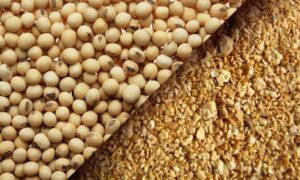
Soya Bean meal from Renamy Global Resources Ltd
Product: Soya Bean Meal
Origin: Nigeria
Protein Content: 44–48%
Moisture Content: Max 12%
Packaging: 50kg PP bags or bulk
Minimum Order: 25 Metric Tonnes
Port of Loading: Lagos, Nigeria
Supply Capacity: Available year-round
Contact Renamy Global Resources Ltd
For bulk orders and export inquiries:
Email: [email protected]
Phone & WhatsApp:+2348054885543
Renamy Global Resources Ltd is your trusted partner for exporting high-quality Nigerian soya bean meal to global feed and industrial markets.