RENAMY GLOBAL RESOURCES LTD

RENAMY GLOBAL RESOURCES LTD

Renamy is RC 1446500 of the Corporate Affairs Commission (CAC), RE 0002444 of the Nigerian Export Promotion Commission (NEPC

T +234 805 488 5543
Email: [email protected]

Renamy Global Resources Ltd
Renamy House, 20, Agbe Road, Agege, Lagos, Nigeria

Open in Google Maps
QUESTIONS? CALL: +234 805 488 5543
  • HOME
  • ABOUT US
  • OUR SERVICES
    • Export Consultants
    • SUSTAINABILITY
  • Export Products
    • Dried, Dry split ginger
    • Tali Wood
      • Eku Wood
      • Bubinga Wood
      • Doussie Wood
      • Iroko
    • Dried Turmeric
    • Sesame seeds
    • Stone Flowers
    • Renamyglobal Palm Oil
    • Tiger Nuts
    • Cashew Nuts
    • Cocoa Beans
    • Charcoal
    • Cashew Kernel
    • Shea Nuts
    • Peanuts
    • Chilli
    • Cassava Flakes
    • Soya Beans (Soybeans) -Soybeans Meal
  • BLOG
  • CONTACT US
ENQUIRYFORM
  • Home
  • Uncategorized
  • Archive from category "Uncategorized"
  • Page 33
June 22, 2026

Category: Uncategorized

Dried Split Ginger: Complete Guide on Import/Export From Nigeria & Africa

Tuesday, 11 February 2025 by Renamy Global Resources
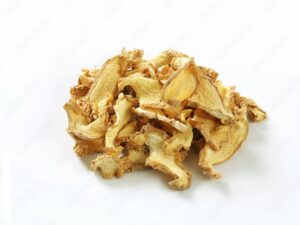
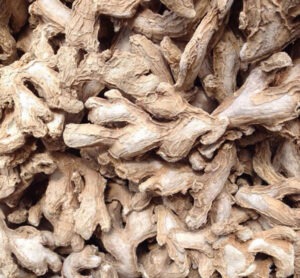
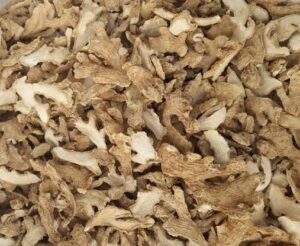
Dried Split Ginger from Renamy Global Resources

Dried Split Ginger from Renamy Global Resources

What is Dried Split Ginger?

Dried split ginger, derived from the rhizome of the Zingiber officinale plant, is a widely used spice and traditional medicine. This flowering plant has herbaceous perennial properties, with annual pseudostems that reach a height of one meter. These pseudostems consist of curled leaf bases and thin leaf blades. The plant produces inflorescences with pale yellow petals and purple margins that sprout from the rhizome on separate branches. Ginger belongs to the Zingiberaceae family, along with turmeric, cardamom, and galangal. Interestingly, some dicots in the Asarum genus are sometimes referred to as wild ginger due to their similar flavor.

Historical Background and Spread of Dried Split Ginger

The term “ginger” finds its origins in various languages, including Old English, Medieval Latin, Greek, Prakrit, and Sanskrit. Ginger is native to Southeast Asia’s Maritime region and has been cultivated and utilized by the Austronesian peoples since ancient times. Alongside ginger, they also grew and consumed turmeric, white turmeric, and bitter ginger. These plants were used to flavor meals and were even eaten raw. The leaves were woven into mats, and ginger held sacred importance, featuring in healing rituals and protection ceremonies. As the Austronesians expanded their reach approximately 5,000 years ago, they carried ginger with them, spreading it across the Pacific Islands and possibly introducing it to India during early contact with the Dravidian-speaking peoples of Sri Lanka and South India.

Ginger’s journey continued as merchants transported it from India to the Middle East and the Mediterranean during the spice trade. It was predominantly cultivated in southern India and the Greater Sunda Islands, alongside other spices like peppers and cloves. Ginger is known for its yellow blooms, and its reed-like perennial appearance makes it a popular choice for landscaping in subtropical areas. The rhizome is traditionally harvested after the stalk withers, undergoing a process to prevent sprouting. In various cultures, ginger is used to create sweetmeats, condiments, and sialagogues from the aromatic perisperm of the Zingiberaceae family.

Health Benefits of Dried Split Ginger

Dried split ginger is associated with numerous health benefits and possesses various properties, including:

1. Treating nausea, especially morning sickness

2. Containing gingerol, a compound with potent medicinal properties

3. Assisting with osteoarthritis

4. Aiding in weight loss

5. Lowering blood sugar levels and improving heart disease risk factors

6. Fighting infections

7. Potentially improving brain function

8. Providing protection against Alzheimer’s disease

9. Containing substances that may help prevent cancer

10. Lowering cholesterol levels

11. Reducing menstrual pain

12. Assisting in the treatment of chronic indigestion

13. Fighting germs and promoting oral health

14. Lowering blood sugar levels

15. Soothing sore muscles

16. Relieving indigestion

Top Exporting & Importing Countries of Dried Split Ginger

The journey of dried split ginger from farm to destination involves multiple stages, with village traders collecting produce directly from farmers. Asian countries have established a unique distribution system for trading dry ginger, involving a network of small retail outlets. The top exporting countries of dried split ginger are:

1. India (1,788,000 tonnes)

2. Nigeria (691,239 tonnes)

3. China (581,137 tonnes)

4. Nepal (297,512 tonnes)

5. Indonesia (174,380 tonnes)

6. Thailand (166,923 tonnes)

Several countries are major importers of dried split ginger, including:

1. United States (12.2%)

2. Netherlands (11.57%)

3. Pakistan (7.44%)

4. Japan (7.14%)

5. Bangladesh (6.58%)

6. Germany (5.58%)

7. United Arab Emirates (4.29%)

8. United Kingdom (3.98%)

9. Canada (3.05%)

10. Saudi Arabia (2.99%)

These countries play a significant role in the global trade of dried split ginger.

How To Safely Source Your Dried Split Ginger Produce

If you find the right export company, buying directly from them can make the purchase process easy and stress-free, when compared with doing the sourcing on your own. That said, there are few things to note when dealing with an export company in Nigeria or Africa. The specific requirements for Nigeria are listed below, but they mostly apply to other African countries:

  • The exporting company must be registered with the Corporate Affairs Commission (CAC) to make sure the company is registered and permitted to carry out business operations.
  • The export company must also be registered with the Nigerian Export Promotion Council (NEPC).
  • The company must possess a domiciliary account to accept international payments.

The company should get all necessary export-related documentation done before the shipment leaves the port of origin. Some of the documents are:

  • Certificate of origin
  • Bill of lading
  • Inspection Certificate (SGS, Cotecna, Bureau Veritas, Intertek, etc)
  • Phytosanitary certificate
  • Fumigation certificate
Dried Split Ginger from Renamy Global Resources

Dried Split Ginger from Renamy Global Resources

Where To Find Reliable Exporters

An important question that still needs to be answered is how to find Dried Split Ginger exporters in Nigeria. You can use any of the methods listed below:

  • Attend trade fairs
  • Use search engines like Google, Yahoo, etc.
  • Search for agents on Linkedln
  • Sign up on trade platforms (e.g. Alibaba, Tradeford, Go4WorldBusiness)

Renamy Global Resources Ltd offers a reliable global order fulfilment solution for Dried Split Ginger and other agric produce. Our end-to-end supply chain solution makes the export of quality Dried Split Ginger easy, quick and safe. From the point of placing your order till it successfully gets delivered, we ensure you have nothing to worry about.

Price Of Dried Split Ginger

The unit price of Dried Split Ginger depends on a host of different factors including:

  • The grade of the produce (usually the more the processing, the higher the price)
  • The price of the raw material
  • Age of the seeds (this can affect the price)
  • The quantity ordered (the greater the quantity, the cheaper you can get it per ton)
  • Harvest season (it is more costly when it is out of harvest season).
  • Freight & haulage cost
  • Percentage of markup
  • Import duties
  • Distance from the country of origin
  • Technology/Infrastructure available in country of origin
  • Relationship between the buyer and seller

That said, as at January 2025, Dried Split Ginger costs between $3,000 and $3,500 per metric ton (1,000 kilograms) in the international market (i.e. $3/kg to $3.5/kg).

How To Pay For Your Dried Split Ginger

You can pay for your Dried Split Ginger using different methods, but three of the popular ways of paying for your agric produce are:

  • Bank (T/T) Payment
  • Advance Payment
  • Letter of Credit (LC)

Bank Payment (T/T)

Bank payment is also known as T/T, “Telegraphic Transfer” or “Telex Transfer” In other words, it is an international wire of funds from the buyer’s bank to the seller’s bank.

A T/T is technically not the same as a wire transfer, which is often done through the SWIFT network. However, when a seller or supplier asks for a T/T payment, a wire transfer is what they are really asking for.

The wire transfer based on the SWIFT system is the most common payment method in international trade. Typically, it takes 3-5 working days to clear, and generally costs between 25 and 50 USD, depending on your agreement with the commercial department in your bank.

Advance Payment

There are sellers that will demand anywhere from 30% to 50% advance payment, and for good reason. If both parties have done deals in the past, sellers can ask for a percentage of the sales (about 30%) before they ship the produce and they can request for the remaining amount after a scanned copy of the Bill of Lading has been sent to the buyer.

It is the safest option for exporters and it also guarantees that they will have some funds to help with sourcing. It is popular among manufacturers on B2B marketplaces like Alibaba and also with commodity traders.

However, advance payment carries considerable risk for the importer (buyer) because the exporter (seller) might not be under as much pressure to ensure quality checks compared with a stricter form of payment. Some might even disappear entirely.

Having said that, advance payment is very useful and is widely used. For instance, the seller might need to secure the commodity in the face of increased competition. It can also be used when the exporter needs some money for sourcing the produce or for processing raw materials.

The most important thing is for both importer and exporter to build mutual trust by having a track record of successful deals with each other or other known companies.

Letter of Credit (L/C)

Letter of Credit is an agreement generated by the bank of the buyer, guaranteeing payment once certain conditions are met. It is one of the safest types of payment available to both buyer and seller.

Some of the types of Letter of Credit are:

  • Commercial Letter of Credit,
  • Sight Letter of Credit
  • Transferrable or Non-Transferable Letter of Credit
  • Standby Letter of Credit (SBLC)
  • Usance or Deferred Payment Letter of Credit
  • Revocable or Irrevocable Letter of Credit
  • Confirmed or Unconfirmed Letter of Credit
  • Revolving Letter of Credit
  • Green Clause Letter of Credit
  • Red Clause Letter of Credit

L/Cs are not totally safe (for either buyer or seller) too. For instance, sellers can ship substandard products or those that are different from the ones agreed upon. In this case, the seller gets paid and the buyer receives good he cannot use.

And speaking of the dangers of L/Cs for the exporter, the conditions in the Letter of credit might be practically impossible to fulfil; if an exporter agrees to such, he might be unable to receive payment. A report stated that of the letters of credit received in the UK, 50% are unworkable while 70% are rejected by the banks for payment.

Shipping & Delivery Terms

When shipping your products, it is important to take note of a few factors:

Order Quantity

For smaller shipments, airfreight is often the preferred option but as the order volume increases, sea freight could become significantly cheaper. Usually when the order is close to a full container load (20 ft), sea freight is used. Despite all these, the Covid-19 pandemic has caused an increase in cost of delivery of products.

Cost of Delivery

When the order is of a large volume, sea freight often turns out cheaper than air freight. In fact, airfreight could be up to 6 times more costly than sea freight if the volume is large enough.

Time of Delivery

Sometimes, time will be more important to the buyer than the cost of delivering the produce. In this case, air freight will be the logical option (as stated above, the cost will be more). But if you have more time as a buyer, you should strongly consider using sea freight.

Incoterms

Incoterms refer to generally accepted shipping and payments terms. For example, buyers that have representatives in the source country or that can negotiate with the freight company can use the Free of Board (FOB) terms, since it gives them more control and can save them some money.

However, if the shipment is small or the buyer doesn’t have an extensive network to effectively handle payment for freight, insurance and port charges, he will be better off choosing the Cost-Insurance-Freight (CIF) payment option.

Import Your Dried Split Ginger The Right Way with Renamy Global Resources Ltd

Dried Split Ginger from Renamy Global Resources

Dried Split Ginger from Renamy Global Resources

We are a trusted Global Order Fulfilment And Sourcing Solution Company with deep expertise in the Dried Split Ginger industry. Our end-to-end supply chain solution makes the export of quality Dried Split Ginger easy, quick and safe. Whichever region of the world you are, be it Europe, Asia, USA, Canada, Africa, South America or Oceania, you can reliably order your agric products and we will ensure it is successfully delivered to you.

Our Dried Split Ginger trade specifications are listed below:

  • Origin: Nigeria
  • Product Name: Dried Split Ginger
  • Product Types: Dried
  • Physical Specification: Based On Buyer’s Specification
  • Quantity: Based On Buyer’s Specification
  • MOQ: 15 Metric Tonnes
  • Trade Process: Ex Works/FOB/CIF
  • Inspection: SGS/Cotecna/Intertek/Bureau Veritas
  • Packaging: Based On Buyer’s Specification
  • Payment Method: TT (Bank Transfer) or  L/C
  • Shipping Time: 15 to 25 Days After Confirmation of TT or L/C
  • Loading Port: Lagos, Nigeria or Tema, Ghana

Expected Shipping Documents

  • Bill of Lading
  • Certificate of Origin
  • SGS Inspection Certificate
  • Phytosanitary Certificate
  • Fumigation Certificate
  • Commercial Invoice
  • Packing List

Contact Us
Phone and Whatsapp: +2348054885543
Email: [email protected]

Read more
  • Published in Uncategorized
No Comments

Kola Nut Powder: Complete Guide on Import/Export From Nigeria & Africa

Monday, 10 February 2025 by Renamy Global Resources
Kolanut Powder from Renamy Global Resource Ltd

Kolanut Powder from Renamy Global Resource Ltd

What is Kola Nut Powder?

The kola nut powder is a caffeine-rich nut found on evergreen Cola trees, mainly Cola acuminata and Cola nitida species. Cola acuminata is a 20-meter-tall evergreen tree with long, ovoid leaves that are pointed at both ends and have a leathery texture. The flowers are cream with purplish-brown striations, and the fruit is star-shaped with 5 follicles. A dozen prismatic seeds form in a white seed-shell inside each follicle. The aroma of the nut is pleasant and rose-like. The initial flavor is bitter, but it sweetens as you chew. The caffeine in the nut can be extracted by boiling it.

Health Benefits of Kola Nut Powder

The kola nut powder has a bitter flavor and contains caffeine. It is chewed in many West African countries, in both private and social settings. It is often used ceremonially, presented to chiefs or guests. In folk medicine, kola nuts are considered useful for aiding digestion when ground and mixed with honey and are used as a remedy for coughs.

Kola nut powder is perhaps best known to Western culture as a flavoring ingredient and one of the sources of caffeine in cola and other similarly flavored beverages, although kola nut extract is no longer used in major commercial cola drinks such as Coca-Cola. Boost to metabolism. Benefits of Kola nut to human health are:

  • Increase in circulation
  • Aid to digestion
  • Cures hepatitis
  • Boost to energy levels
  • Antibacterial benefits
  • Treats infection
  • Cures skin diseases
  • Prevent Ulcer
  • Prevents toothache
  • Cures intestine diseases
  • Cures cough and asthma
  • Cures constipation
  • Cures various eye problem
  • Cures low sex drive
  • Cures depression
  • Cures dysentery and headaches.

The Origin, Spread & Uses of Kola Nut Powder?

Human use of the kola nut, like the coffee berry and tea leaf, appears to have ancient origins. It is chewed in many West African cultures, in both private and social settings, as a source of mental stimulation. The spread of the kola nut across North Africa seems to be connected to the spread of Islam across North Africa during the 17th century, as trading across the Mediterranean became more concrete.

The kola nut was particularly useful on slave ships to improve the taste of water, as enslaved Africans were often given poor quality water to drink. Kola nuts are an important part of the traditional spiritual practice of culture and religion in West Africa, particularly Niger, Nigeria, Sierra Leone, and Liberia. The 1970s hit “Goro City”, by Manu Dibango, highlights the significance of kola nuts (called “Goro” in the Hausa language) to the capital of Niger, Niamey.

Kola nuts are used as a religious object and sacred offering during prayers, ancestor veneration, and significant life events, such as naming ceremonies, weddings, and funerals. For this use, only kola nuts divided into four lobes are suitable. They are cast upon a special wooden board and the resulting patterns are read by a trained diviner. Among a few Yoruba people, it has found inroads among the Muslim population as well, in weddings and other ceremonies.

They were used as a form of currency in such West African groups as the Malinke and Bambara of Mali and Senegal. They are still used as such today in certain situations such as in negotiation over bride prices or as a form of respect or host gift to the elders of a village should one move to a village or enter a business arrangement with the village.

Top Exporting & Importing Countries of Kola Nut Powder

Kola nuts can be harvested mechanically or by hand, by plucking them at the tree branch. Nigeria produces 52.4% of worldwide production followed by the Ivory Coast and Cameroon. When kept in a cool, dry place, kola nuts can be stored for a long time.

Some of the leading exporting countries of Kola nut powder are:

  • Nigeria (52.59%)
  • Ivory Coast (19.6%)
  • Cameroon (16.49%)
  • Ghana (8.2%)
  • Sierra Leone (2.86%)
  • Benin (0.2%)

Some of the leading importing countries of Kola nut powder are:

  • United States ( 69.81%)
  • France (14.81%)
  • Spain (4.12%)
  • Mexico (1.43%)
  • India (1.43%)
  • Germany (1.42%)
  • Netherland (1.07%)
  • China (0.69%)
  • Belgium  (0.6%)

Kola nut powder produced in Nigeria has a very good quality and is abundant in quantity, it takes 5-6 weeks to sprout out and about 3-5 years to start producing fruits. This availability of raw produce helps international buyers get it at a competitive price. There is a very large demand for agricultural produce in Nigeria, with many international buyers always looking for products that are cheap and are of the best quality.

Kolanut Powder from Renamy Global Resource Ltd

Kolanut Powder from Renamy Global Resource Ltd

How To Safely Source for Your Kola Nut Powder Produce

If you find the right export company, buying directly from them can make the purchase process easy and stress-free, when compared with doing the sourcing on your own. That said, there are few things to note when dealing with an export company in Nigeria or Africa. The specific requirements for Nigeria are listed below, but they mostly apply to other African countries:

  1. The exporting company must be registered with the Corporate Affairs Commission (CAC) to make sure the company is registered and permitted to carry out business operations.
  2. The export company must also be registered with the Nigerian Export Promotion Council (NEPC).
  3. The company must possess a domiciliary account to accept international payments.
  4. The company should get all necessary export-related documentation done before the shipment leaves the port of origin. Some of the documents are:
  5. Certificate of origin
  6. Bill of lading
  7. Inspection Certificate (SGS, Cotecna, Bureau Veritas, Intertek, etc)
  8. Phytosanitary certificate
  9. Fumigation certificate

Where To Find Reliable Exporters

An important question that still needs to be answered is how to find kola nut powder exporters in Nigeria. You can use any of the methods listed below:

  • Attend trade fairs
  • Use search engines like Google, Yahoo, etc.
  • Search for agents on Linkedln
  • Sign up on trade platforms (e.g. Alibaba, Tradeford, Go4WorldBusiness)
  • Renamy Global Resources Ltd offers a reliable global order fulfilment solution for kola nut powder and other agric produce. Our end-to-end supply chain solution makes the export of quality kola nut powder easy, quick and safe. From the point of placing your order till it successfully gets delivered, we ensure you have nothing to worry about.
  • Kolanut Powder from Renamy Global Resource Ltd

    Kolanut Powder from Renamy Global Resource Ltd

International Price of Kola Nut Powder Per Metric Ton

The unit price ($ per kg) of kola nut powder in the international market depends on a host of different factors including:

  • The grade of the produce (usually the more the processing, the higher the price)
  • The price of the raw material
  • Age of the seeds (this can affect the price)
  • The quantity ordered (the greater the quantity, the cheaper you can get it per ton)
  • Harvest season (it is more costly when it is out of harvest season).
  • Freight & haulage cost
  • Percentage of markup
  • Import duties
  • Distance from the country of origin
  • Technology/Infrastructure available in country of origin
  • Relationship between the buyer and seller

That said, as at July 2022, kola nut powder costs between $2,500 and $4,800 per metric ton (1,000 kilograms) in the international market (i.e. $2.5/kg to $4.8/kg).

How To Pay For Your Kola Nut Powder Produce

You can pay for your kola nut powder using different methods, but three of the popular ways of paying for your agric produce are:

  • Bank (T/T) Payment
  • Advance Payment
  • Letter of Credit (LC)

Bank Payment (T/T)

Bank payment is also known as T/T, “Telegraphic Transfer” or “Telex Transfer” In other words, it is an international wire of funds from the buyer’s bank to the seller’s bank.

A T/T is technically not the same as a wire transfer, which is often done through the SWIFT network. However, when a seller or supplier asks for a T/T payment, a wire transfer is what they are really asking for.

The wire transfer based on the SWIFT system is the most common payment method in international trade. Typically, it takes 3-5 working days to clear, and generally costs between 25 and 50 USD, depending on your agreement with the commercial department in your bank.

Advance Payment

There are sellers that will demand anywhere from 30% to 50% advance payment, and for good reason. If both parties have done deals in the past, sellers can ask for a percentage of the sales (about 30%) before they ship the produce and they can request for the remaining amount after a scanned copy of the Bill of Lading has been sent to the buyer.

It is the safest option for exporters and it also guarantees that they will have some funds to help with sourcing. It is popular among manufacturers on B2B marketplaces like Alibaba and also with commodity traders.

However, advance payment carries considerable risk for the importer (buyer) because the exporter (seller) might not be under as much pressure to ensure quality checks compared with a stricter form of payment. Some might even disappear entirely.

Having said that, advance payment is very useful and is widely used. For instance, the seller might need to secure the commodity in the face of increased competition. It can also be used when the exporter needs some money for sourcing the produce or for processing raw materials.

The most important thing is for both importer and exporter to build mutual trust by having a track record of successful deals with each other or other known companies.

Letter of Credit

Letter of Credit is an agreement generated by the bank of the buyer, guaranteeing payment once certain conditions are met. It is one of the safest types of payment available to both buyer and seller.

Some of the types of Letter of credit are:

  • Commercial Letter of Credit,
  • Sight Letter of Credit
  • Transferrable or Non-Transferable Letter of Credit
  • Standby Letter of Credit (SBLC)
  • Usance or Deferred Payment Letter of Credit
  • Revocable or Irrevocable Letter of Credit
  • Confirmed or Unconfirmed Letter of Credit
  • Revolving Letter of Credit
  • Green Clause Letter of Credit
  • Red Clause Letter of Credit

L/Cs are not totally safe (for either buyer or seller) too. For instance, sellers can ship substandard products or those that are different from the ones agreed upon. In this case, the seller gets paid and the buyer receives good he cannot use.

And speaking of the dangers of L/Cs for the exporter, the conditions in the Letter of credit might be practically impossible to fulfil; if an exporter agrees to such, he might be unable to receive payment. A report stated that of the letters of credit received in the UK, 50% are unworkable while 70% are rejected by the banks for payment.

Shipping & Delivery Terms

When shipping your products, it is important to take note of a few factors:

Order Quantity

For smaller shipments, airfreight is often the preferred option but as the order volume increases, sea freight could become significantly cheaper. Usually when the order is close to a full container load (20 ft), sea freight is used. Despite all these, the Covid-19 pandemic has caused an increase in cost of delivery of products.

Cost of Delivery

When the order is of a large volume, sea freight often turns out cheaper than air freight. In fact, airfreight could be up to 6 times more costly than sea freight if the volume is large enough.

Time of Delivery

Sometimes, time will be more important to the buyer than the cost of delivering the produce. In this case, air freight will be the logical option (as stated above, the cost will be more). But if you have more time as a buyer, you should strongly consider using sea freight.

Incoterms

Incoterms refer to generally accepted shipping and payments terms. For example, buyers that have representatives in the source country or that can negotiate with the freight company can use the Free of Board (FOB) terms, since it gives them more control and can save them some money.

However, if the shipment is small or the buyer doesn’t have an extensive network to effectively handle payment for freight, insurance and port charges, he will be better off choosing the Cost-Insurance-Freight (CIF) payment option.

Import Kola Nut Powder The Right Way with Renamy Global Resources Ltd

We are a  trusted global order fulfilment and sourcing solution company with deep expertise in the Kola Nut Powder industry. Our end-to-end supply chain solution makes the export of quality kola nut powder easy, quick and safe. Whichever region of the world you are, be it Europe, Asia, USA, Canada, Africa, South America or Oceania, you can reliably order your agric products and we will ensure it is successfully delivered to you.

Our Kola Nut Powder trade specifications are listed below:

  • Origin: Nigeria
  • Product Name: Kola Nut Powder
  • Product Types: Powder
  • Physical Specification: Based On Buyer’s Specification
  • Quantity: Based On Buyer’s Specification
  • MOQ: 20 Metric Tonnes
  • Trade Process: Ex Works/FOB/CIF
  • Moisture Content: 8% Max
  • Admixture/Impurities: 2% Max
  • Other Colours: 5% Max
  • Inspection: SGS/Cotecna/Intertek/Bureau Veritas
  • Packaging: Based On Buyer’s Specification
  • Payment Method: TT (Bank Transfer) or  L/C
  • Shipping Time: 15 to 25 Days After Confirmation of TT or L/C
  • Loading Port: Lagos, Nigeria or Tema, Ghana

Expected Shipping Documents

  • Bill of Lading
  • Certificate of Origin
  • Phytosanitary Certificate
  • Fumigation Certificate
  • Commercial Invoice
  • Packing List
Read more
  • Published in Uncategorized
No Comments

Dried Kola Nut: Complete Guide on Import/Export From Nigeria & Africa

Friday, 07 February 2025 by Renamy Global Resources

What is Dried Kola Nut?

The kola nut is a caffeine-rich nut found on evergreen Cola trees, mainly Cola acuminata and Cola nitida species. Cola acuminata is a 20-meter-tall evergreen tree with long, ovoid leaves that are pointed at both ends and have a leathery texture. The flowers are cream with purplish-brown striations, and the fruit is star-shaped with 5 follicles. A dozen prismatic seeds form in a white seed-shell inside each follicle. The aroma of the nut is pleasant and rose-like. The initial flavor is bitter, but it sweetens as you chew. The caffeine in the nut can be extracted by boiling it.

Health Benefits of Dried Kola Nut

Dried kola nut has a bitter flavor and contains caffeine. It is chewed in many West African countries, in both private and social settings. It is often used ceremonially, presented to chiefs or guests. In folk medicine, dried kola nuts are considered useful for aiding digestion when ground and mixed with honey and are used as a remedy for coughs.

Dried kola nuts are perhaps best known to Western culture as a flavoring ingredient and one of the sources of caffeine in cola and other similarly flavored beverages, although kola nut extract is no longer used in major commercial cola drinks such as Coca-Cola. Boost to metabolism. Benefits of dried kola nut to human health are:

  • Increase in circulation
  • Aid to digestion
  • Cures hepatitis
  • Boost to energy levels
  • Antibacterial benefits
  • Treats infection
  • Cures skin diseases
  • Prevent Ulcer
  • Prevents toothache
  • Cures intestine diseases
  • Cures cough and asthma
  • Cures constipation
  • Cures various eye problem
  • Cures low sex drive
  • Cures depression
  • Cures dysentery and headaches.

The Origin, Spread & Uses of Dried Kola Nut?

Human use of the kola nut, like the coffee berry and tea leaf, appears to have ancient origins. It is chewed in many West African cultures, in both private and social settings, as a source of mental stimulation. The spread of the kola nut across North Africa seems to be connected to the spread of Islam across North Africa during the 17th century, as trading across the Mediterranean became more concrete.

The kola nut was particularly useful on slave ships to improve the taste of water, as enslaved Africans were often given poor quality water to drink. Kola nuts are an important part of the traditional spiritual practice of culture and religion in West Africa, particularly Niger, Nigeria, Sierra Leone, and Liberia. The 1970s hit “Goro City”, by Manu Dibango, highlights the significance of kola nuts (called “Goro” in the Hausa language) to the capital of Niger, Niamey.

Kola nuts are used as a religious object and sacred offering during prayers, ancestor veneration, and significant life events, such as naming ceremonies, weddings, and funerals. For this use, only kola nuts divided into four lobes are suitable. They are cast upon a special wooden board and the resulting patterns are read by a trained diviner. Among a few Yoruba people, it has found inroads among the Muslim population as well, in weddings and other ceremonies.

They were used as a form of currency in such West African groups as the Malinke and Bambara of Mali and Senegal. They are still used as such today in certain situations such as in negotiation over bride prices or as a form of respect or host gift to the elders of a village should one move to a village or enter a business arrangement with the village.

Top Exporting & Importing Countries of Kola Nut

Kola nuts can be harvested mechanically or by hand, by plucking them at the tree branch. Nigeria produces 52.4% of worldwide production followed by the Ivory Coast and Cameroon. When kept in a cool, dry place, dried kola nuts can be stored for a long time.

Some of the leading exporting countries of Kola nut are:

  • Nigeria (52.59%)
  • Ivory Coast (19.6%)
  • Cameroon (16.49%)
  • Ghana (8.2%)
  • Sierra Leone (2.86%)
  • Benin (0.2%)

Some of the leading importing countries of Kola nut are:

  • United States ( 69.81%)
  • France (14.81%)
  • Spain (4.12%)
  • Mexico (1.43%)
  • India (1.43%)
  • Germany (1.42%)
  • Netherland (1.07%)
  • China (0.69%)
  • Belgium  (0.6%)

Kola nut produced in Nigeria has a very good quality and is abundant in quantity, it takes 5-6 weeks to sprout out and about 3-5 years to start producing fruits. This availability of raw produce helps international buyers get it at a competitive price. There is a very large demand for agricultural produce in Nigeria, with many international buyers always looking for products that are cheap and are of the best quality.

How To Safely Source for Your Dried Kola Nut Produce

If you find the right export company, buying directly from them can make the purchase process easy and stress-free, when compared with doing the sourcing on your own. That said, there are few things to note when dealing with an export company in Nigeria or Africa. The specific requirements for Nigeria are listed below, but they mostly apply to other African countries:

  1. The exporting company must be registered with the Corporate Affairs Commission (CAC) to make sure the company is registered and permitted to carry out business operations.
  2. The export company must also be registered with the Nigerian Export Promotion Council (NEPC).
  3. The company must possess a domiciliary account to accept international payments.
  4. The company should get all necessary export-related documentation done before the shipment leaves the port of origin. Some of the documents are:
  5. Certificate of origin
  6. Bill of lading
  7. Inspection Certificate (SGS, Cotecna, Bureau Veritas, Intertek, etc)
  8. Phytosanitary certificate
  9. Fumigation certificate

Where To Find Reliable Exporters

An important question that still needs to be answered is how to find dried kola nut exporters in Nigeria. You can use any of the methods listed below:

  • Attend trade fairs
  • Use search engines like Google, Yahoo, etc.
  • Search for agents on Linkedln
  • Sign up on trade platforms (e.g. Alibaba, Tradeford, Go4WorldBusiness)
  • Renamy Global Resources Ltd offers a reliable global order fulfilment solution for dried kola nut and other agric produce. Our end-to-end supply chain solution makes the export of quality dried kola nut easy, quick and safe. From the point of placing your order till it successfully gets delivered, we ensure you have nothing to worry about.

    International Price of Dried Kola Nut Per Metric Ton

    The unit price ($ per kg) of dried kola nut in the international market depends on a host of different factors including:

    • The grade of the produce (usually the more the processing, the higher the price)
    • The price of the raw material
    • Age of the seeds (this can affect the price)
    • The quantity ordered (the greater the quantity, the cheaper you can get it per ton)
    • Harvest season (it is more costly when it is out of harvest season).
    • Freight & haulage cost
    • Percentage of markup
    • Import duties
    • Distance from the country of origin
    • Technology/Infrastructure available in country of origin
    • Relationship between the buyer and seller

    That said, as at July 2022, dried kola nut costs between $2,500 and $4,800 per metric ton (1,000 kilograms) in the international market (i.e. $2.5/kg to $4.8/kg).

    How To Pay For Your Dried Kola Nut Produce

    You can pay for your dried kola nut using different methods, but three of the popular ways of paying for your agric produce are:

    • Bank (T/T) Payment
    • Advance Payment
    • Letter of Credit (LC)

    Bank Payment (T/T)

    Bank payment is also known as T/T, “Telegraphic Transfer” or “Telex Transfer” In other words, it is an international wire of funds from the buyer’s bank to the seller’s bank.

    A T/T is technically not the same as a wire transfer, which is often done through the SWIFT network. However, when a seller or supplier asks for a T/T payment, a wire transfer is what they are really asking for.

    The wire transfer based on the SWIFT system is the most common payment method in international trade. Typically, it takes 3-5 working days to clear, and generally costs between 25 and 50 USD, depending on your agreement with the commercial department in your bank.

    Advance Payment

    There are sellers that will demand anywhere from 30% to 50% advance payment, and for good reason. If both parties have done deals in the past, sellers can ask for a percentage of the sales (about 30%) before they ship the produce and they can request for the remaining amount after a scanned copy of the Bill of Lading has been sent to the buyer.

    It is the safest option for exporters and it also guarantees that they will have some funds to help with sourcing. It is popular among manufacturers on B2B marketplaces like Alibaba and also with commodity traders.

    However, advance payment carries considerable risk for the importer (buyer) because the exporter (seller) might not be under as much pressure to ensure quality checks compared with a stricter form of payment. Some might even disappear entirely.

    Having said that, advance payment is very useful and is widely used. For instance, the seller might need to secure the commodity in the face of increased competition. It can also be used when the exporter needs some money for sourcing the produce or for processing raw materials.

    The most important thing is for both importer and exporter to build mutual trust by having a track record of successful deals with each other or other known companies.

    Letter of Credit

    Letter of Credit is an agreement generated by the bank of the buyer, guaranteeing payment once certain conditions are met. It is one of the safest types of payment available to both buyer and seller.

    Some of the types of Letter of credit are:

    • Commercial Letter of Credit,
    • Sight Letter of Credit
    • Transferrable or Non-Transferable Letter of Credit
    • Standby Letter of Credit (SBLC)
    • Usance or Deferred Payment Letter of Credit
    • Revocable or Irrevocable Letter of Credit
    • Confirmed or Unconfirmed Letter of Credit
    • Revolving Letter of Credit
    • Green Clause Letter of Credit
    • Red Clause Letter of Credit

    L/Cs are not totally safe (for either buyer or seller) too. For instance, sellers can ship substandard products or those that are different from the ones agreed upon. In this case, the seller gets paid and the buyer receives good he cannot use.

    And speaking of the dangers of L/Cs for the exporter, the conditions in the Letter of credit might be practically impossible to fulfil; if an exporter agrees to such, he might be unable to receive payment. A report stated that of the letters of credit received in the UK, 50% are unworkable while 70% are rejected by the banks for payment.

    Shipping & Delivery Terms

    When shipping your products, it is important to take note of a few factors:

    Order Quantity

    For smaller shipments, airfreight is often the preferred option but as the order volume increases, sea freight could become significantly cheaper. Usually when the order is close to a full container load (20 ft), sea freight is used. Despite all these, the Covid-19 pandemic has caused an increase in cost of delivery of products.

    Cost of Delivery

    When the order is of a large volume, sea freight often turns out cheaper than air freight. In fact, airfreight could be up to 6 times more costly than sea freight if the volume is large enough.

    Time of Delivery

    Sometimes, time will be more important to the buyer than the cost of delivering the produce. In this case, air freight will be the logical option (as stated above, the cost will be more). But if you have more time as a buyer, you should strongly consider using sea freight.

    Incoterms

    Incoterms refer to generally accepted shipping and payments terms. For example, buyers that have representatives in the source country or that can negotiate with the freight company can use the Free of Board (FOB) terms, since it gives them more control and can save them some money.

    However, if the shipment is small or the buyer doesn’t have an extensive network to effectively handle payment for freight, insurance and port charges, he will be better off choosing the Cost-Insurance-Freight (CIF) payment option.

    Import Dried Kola Nut The Right Way with Renamy Global Resources Ltd

    We are a trusted global order fulfilment and sourcing solution company with deep expertise in the dried Kola Nut industry. Our end-to-end supply chain solution makes the export of quality dried kola nut easy, quick and safe. Whichever region of the world you are, be it Europe, Asia, USA, Canada, Africa, South America or Oceania, you can reliably order your agric products and we will ensure it is successfully delivered to you.

    Our dried Kola Nut trade specifications are listed below:

    • Origin: Nigeria
    • Product Name: Dried Kola Nut
    • Product Types: Dried
    • Physical Specification: Based On Buyer’s Specification
    • Quantity: Based On Buyer’s Specification
    • MOQ: 20 Metric Tonnes
    • Trade Process: Ex Works/FOB/CIF
    • Moisture Content: 8% Max
    • Admixture/Impurities: 2% Max
    • Other Colours: 5% Max
    • Inspection: SGS/Cotecna/Intertek/Bureau Veritas
    • Packaging: Based On Buyer’s Specification
    • Payment Method: TT (Bank Transfer) or  L/C
    • Shipping Time: 15 to 25 Days After Confirmation of TT or L/C
    • Loading Port: Lagos, Nigeria or Tema, Ghana

    Expected Shipping Documents

    • Bill of Lading
    • Certificate of Origin
    • Phytosanitary Certificate
    • Fumigation Certificate
    • Commercial Invoice
    • Packing List
Read more
  • Published in Uncategorized
No Comments

KOLANUT: USES, HEALTH BENEFITS, SIDE EFFECTS AND PURCHASE

Thursday, 06 February 2025 by Renamy Global Resources
Kola nuts from Renamy Global Resources Ltd

Kola nuts from Renamy Global Resources Ltd

Kola nut, derived from specific Cola species of plants, has a long history of use and cultural significance. Indigenous to the tropical African rainforests, the seeds of these cola trees have been employed as flavoring components in carbonated soft drinks, earning them the common moniker of “cola.” In this article, we will explore the uses, health benefits, and potential side effects of kola nut consumption.

Overview and Cultural Significance of Kola Nut

The term “kola nut” typically refers to the seeds of Cola species, which were previously classified under the Sterculiaceae family but are now included in the Malvaceae family. These cola tree species are primarily cultivated in Nigeria’s western region.

Among the Nigerian ethnic groups, the Yorubas have a strong kola nut industry, while the Hausa people occasionally consume kola nuts as a snack. However, the Igbo people attach significant cultural and traditional meanings to the kola nut, considering the kola tree and its fruit as the first trees and fruits on earth. The scientific name for kola nut is Cola acuminata. It is known as “Gworo” in Hausa, “Obi” in Yoruba, and “Oji” or “Oji Igbo” in Igbo.

Uses of Kola Nut

Kola nut serves a range of purposes, both traditional and modern, including:

Short-Term Relief Of Fatigue, Depression, And Chronic Fatigue Syndrome (CFS)

The stimulating properties of kola nut can help combat feelings of fatigue and improve energy levels.

Melancholy And Lack Of Normal Muscle Tone (Atony)

Kola nut has been traditionally used to uplift the mood and address muscle weakness.

Exhaustion And Dysentery

Kola nut is known for its stimulant properties, which can help combat exhaustion and relieve symptoms of dysentery.

Atonic Diarrhea And Weight Loss

Kola nut consumption has been associated with improved digestion and weight loss. It helps stimulate gastric acid production and increases the effectiveness of digestive enzymes, aiding in digestion. Additionally, the caffeine content in kola nut can act as an appetite suppressant, promoting a feeling of fullness and potentially assisting in weight loss.

Migraine Headaches

Some individuals find relief from migraines by consuming kola nut due to its caffeine content and stimulating effects on the nervous system.

Flavoring Ingredient In Foods, Drinks, And Soda Worldwide

The distinctive flavor and caffeine content of kola nut make it a popular ingredient in various food and beverage products.

Chewed During Ceremonies And Rituals

In some African countries, kola nut is chewed during ceremonies and rituals as a symbol of hospitality, friendship, and communion.

Used To Sweeten Breath

Chewing kola nut can help freshen the breath and combat oral odor.

Additive In Energy Drinks And Performance Enhancers

Due to its natural stimulant properties, kola nut extracts or powders are often included in energy drinks and performance-enhancing supplements.

Utilized In The Form Of An Extract Or Powder

Kola nut extracts or powders are used in the production of various supplements and herbal remedies.

Health Benefits of Kola Nut

The health benefits of kola nut are similar to those of coffee, primarily due to its caffeine content. Some potential benefits of consuming kola nut and its products include:

Boosting Metabolism

Kola nut products containing caffeine may give a person’s metabolism a temporary boost, increasing energy expenditure.

Improving Digestion

Kola nut powder and extract have been associated with improved digestion. They promote the production of gastric acid, enhancing the effectiveness of digestive enzymes in the stomach.

Increasing Circulation

The caffeine and theobromine present in kola nut can stimulate the heart rate, potentially leading to increased blood flow and improved circulation.

Boosting Energy Levels

Kola nut naturally stimulates the central nervous system, increasing alertness and potentially boosting energy levels.

Assisting In Weight Loss

Kola nut’s caffeine content can help suppress appetite, leading to reduced calorie intake. It can also support weight loss by enhancing metabolism and promoting fat burning.

Treating Osteoarthritis

Kola nuts possess compounds that can alleviate inflammation, making them potentially beneficial for individuals with osteoarthritis. This condition is characterized by joint pain, inflammation, and limited movement. Kola nut may help reduce pain, inflammation, and improve joint mobility in osteoarthritis patients.

Side Effects and Risks of Kola Nut

While kola nut offers potential health benefits, excessive consumption can pose risks. Some possible side effects include:

Increased Blood Pressure

The stimulating properties of kola nut can raise blood pressure levels. Individuals with hypertension or those taking blood pressure medication should consult their doctor before consuming any product containing kola nuts.

Sleeping Problems

Consumption of kola nut products, which contain caffeine, can lead to insomnia or difficulties falling or staying asleep. Individuals with sleep disorders should consider avoiding stimulants containing caffeine, including kola nuts.

Shakiness

Due to the impact of kola nuts on the central nervous system, they can cause shakiness, tremors, and anxiousness. People with anxiety may be particularly susceptible to these effects.

Nausea

Overeating kola nuts may result in an upset stomach, potentially accompanied by stomach pains due to increased production of stomach acids triggered by kola nuts.

It is important to consume kola nut and its products in moderation and consider individual sensitivities and health conditions. If you experience any adverse effects or have concerns, it is advisable to consult with a healthcare professional.

To Sum It All Up

In conclusion, kola nut, derived from specific Cola species, has been used for various purposes throughout history. It holds cultural significance and is cultivated in Nigeria’s western region. The kola nut offers potential health benefits, including boosting metabolism, aiding digestion, increasing circulation, boosting energy levels, assisting in weight loss, and treating osteoarthritis. However, it is important to be aware of potential side effects such as increased blood pressure, sleeping problems, shakiness, and nausea. Moderation and consulting with healthcare professionals are recommended when incorporating kola nut into one’s diet or using kola nut products.

How To Safely Source for Your Kola Nut (Cola Nitida & Cola Acuminata) Produce

If you find the right export company, buying directly from them can make the purchase process easy and stress-free, when compared with doing the sourcing on your own. That said, there are few things to note when dealing with an export company in Nigeria or Africa. The specific requirements for Nigeria are listed below, but they mostly apply to other African countries:

  1. The exporting company must be registered with the Corporate Affairs Commission (CAC) to make sure the company is registered and permitted to carry out business operations.
  2. The export company must also be registered with the Nigerian Export Promotion Council (NEPC).
  3. The company must possess a domiciliary account to accept international payments.
  4. The company should get all necessary export-related documentation done before the shipment leaves the port of origin. Some of the documents are:
  5. Certificate of origin
  6. Bill of lading
  7. Inspection Certificate (SGS, Cotecna, Bureau Veritas, Intertek, etc)
  8. Phytosanitary certificate
  9. Fumigation certificate

Where To Find Reliable Exporters

An important question that still needs to be answered is how to find kola nut exporters in Nigeria. You can use any of the methods listed below:

  • Attend trade fairs
  • Use search engines like Google, Yahoo, etc.
  • Search for agents on Linkedln
  • Sign up on trade platforms (e.g. Alibaba, Tradeford, Go4WorldBusiness)
  • Renamy Global Resources Ltd offers a reliable global order fulfilment solution for kola nut and other agric produce. Our end-to-end supply chain solution makes the export of quality kola nut easy, quick and safe. From the point of placing your order till it successfully gets delivered, we ensure you have nothing to worry about.

International Price of Kola Nut (Cola Nitida & Cola Acuminata) Per Metric Ton

The unit price ($ per kg) of kola nut in the international market depends on a host of different factors including:

  • The grade of the produce (usually the more the processing, the higher the price)
  • The price of the raw material
  • Age of the seeds (this can affect the price)
  • The quantity ordered (the greater the quantity, the cheaper you can get it per ton)
  • Harvest season (it is more costly when it is out of harvest season).
  • Freight & haulage cost
  • Percentage of markup
  • Import duties
  • Distance from the country of origin
  • Technology/Infrastructure available in country of origin
  • Relationship between the buyer and seller

That said, as at October 2023, Kola nut (Cola Nitida & Cola Acuminata) costs between $2,500 and $4,800 per metric ton (1,000 kilograms) in the international market (i.e. $2.5/kg to $4.8/kg).

How To Pay For Your Kola Nut Produce

You can pay for your kola nut using different methods, but three of the popular ways of paying for your agric produce are:

  • Bank (T/T) Payment
  • Advance Payment
  • Letter of Credit (LC)

Bank Payment (T/T)

Bank payment is also known as T/T, “Telegraphic Transfer” or “Telex Transfer” In other words, it is an international wire of funds from the buyer’s bank to the seller’s bank.

A T/T is technically not the same as a wire transfer, which is often done through the SWIFT network. However, when a seller or supplier asks for a T/T payment, a wire transfer is what they are really asking for.

The wire transfer based on the SWIFT system is the most common payment method in international trade. Typically, it takes 3-5 working days to clear, and generally costs between 25 and 50 USD, depending on your agreement with the commercial department in your bank.

Advance Payment

There are sellers that will demand anywhere from 30% to 50% advance payment, and for good reason. If both parties have done deals in the past, sellers can ask for a percentage of the sales (about 30%) before they ship the produce and they can request for the remaining amount after a scanned copy of the Bill of Lading has been sent to the buyer.

It is the safest option for exporters and it also guarantees that they will have some funds to help with sourcing. It is popular among manufacturers on B2B marketplaces like Alibaba and also with commodity traders.

However, advance payment carries considerable risk for the importer (buyer) because the exporter (seller) might not be under as much pressure to ensure quality checks compared with a stricter form of payment. Some might even disappear entirely.

Having said that, advance payment is very useful and is widely used. For instance, the seller might need to secure the commodity in the face of increased competition. It can also be used when the exporter needs some money for sourcing the produce or for processing raw materials.

The most important thing is for both importer and exporter to build mutual trust by having a track record of successful deals with each other or other known companies.

Letter of Credit

Letter of Credit is an agreement generated by the bank of the buyer, guaranteeing payment once certain conditions are met. It is one of the safest types of payment available to both buyer and seller.

Some of the types of Letter of credit are:

  • Commercial Letter of Credit,
  • Sight Letter of Credit
  • Transferrable or Non-Transferable Letter of Credit
  • Standby Letter of Credit (SBLC)
  • Usance or Deferred Payment Letter of Credit
  • Revocable or Irrevocable Letter of Credit
  • Confirmed or Unconfirmed Letter of Credit
  • Revolving Letter of Credit
  • Green Clause Letter of Credit
  • Red Clause Letter of Credit

L/Cs are not totally safe (for either buyer or seller) too. For instance, sellers can ship substandard products or those that are different from the ones agreed upon. In this case, the seller gets paid and the buyer receives good he cannot use.

And speaking of the dangers of L/Cs for the exporter, the conditions in the Letter of credit might be practically impossible to fulfil; if an exporter agrees to such, he might be unable to receive payment. A report stated that of the letters of credit received in the UK, 50% are unworkable while 70% are rejected by the banks for payment.

Shipping & Delivery Terms

When shipping your products, it is important to take note of a few factors:

Order Quantity

For smaller shipments, airfreight is often the preferred option but as the order volume increases, sea freight could become significantly cheaper. Usually when the order is close to a full container load (20 ft), sea freight is used. Despite all these, the Covid-19 pandemic has caused an increase in cost of delivery of products.

Cost of Delivery

When the order is of a large volume, sea freight often turns out cheaper than air freight. In fact, airfreight could be up to 6 times more costly than sea freight if the volume is large enough.

Time of Delivery

Sometimes, time will be more important to the buyer than the cost of delivering the produce. In this case, air freight will be the logical option (as stated above, the cost will be more). But if you have more time as a buyer, you should strongly consider using sea freight.

Incoterms

Incoterms refer to generally accepted shipping and payments terms. For example, buyers that have representatives in the source country or that can negotiate with the freight company can use the Free of Board (FOB) terms, since it gives them more control and can save them some money.

However, if the shipment is small or the buyer doesn’t have an extensive network to effectively handle payment for freight, insurance and port charges, he will be better off choosing the Cost-Insurance-Freight (CIF) payment option.

Import Kola Nut (Cola Nitida & Cola Acuminata) The Right Way with Renamy

We are a trusted global order fulfilment and sourcing solution company with deep expertise in the Kola Nut industry. Our end-to-end supply chain solution makes the export of quality kola nut easy, quick and safe. Whichever region of the world you are, be it Europe, Asia, USA, Canada, Africa, South America or Oceania, you can reliably order your agric products and we will ensure it is successfully delivered to you.

Our Kola Nut trade specifications are listed below:

  • Origin: Nigeria
  • Product Name: Kola Nut (Cola Nitida & Cola Acuminata)
  • Product Types: Kola Nitida (Red, White)
  • Physical Specification: Based On Buyer’s Specification
  • Quantity: Based On Buyer’s Specification
  • MOQ: 20 Metric Tonnes
  • Trade Process: Ex Works/FOB/CIF
  • Moisture Content: 8% Max
  • Admixture/Impurities: 2% Max
  • Other Colours: 5% Max
  • Inspection: SGS/Cotecna/Intertek/Bureau Veritas
  • Packaging: Based On Buyer’s Specification
  • Payment Method: TT (Bank Transfer) or  L/C
  • Shipping Time: 15 to 25 Days After Confirmation of TT or L/C
  • Loading Port: Lagos, Nigeria or Tema, Ghana

Expected Shipping Documents

  • Bill of Lading
  • Certificate of Origin
  • Phytosanitary Certificate
  • Fumigation Certificate
  • Commercial Invoice
  • Packing List
Read more
  • Published in Uncategorized
No Comments

Shea Nut: Uses, Health Benefits, Side Effects and Purchase

Wednesday, 05 February 2025 by Renamy Global Resources

Shea nut, derived from the Shea nut tree (Vitellaria paradoxa), is a valuable natural resource with numerous benefits for skincare, health, and well-being. This article explores the uses, benefits, potential side effects, and tips for safely buying Shea nut products. Let’s delve into the world of Shea nut and discover its remarkable properties.

Overview of Shea Nut

The Shea nut tree, also known as Shea tree or vitellaria, belongs to the Sapotaceae family and is indigenous to Africa. It holds immense significance for various African communities, including the Bambara, Dyula, Fulani, Hausa, and Wolof peoples, as a source of vegetable fat. The Shea nut tree grows in the dry Savannah belt of West Africa, spanning 19 countries such as Nigeria, Ghana, Burkina Faso, and Senegal.

Shea butter, derived from the large, oil-rich seed found within the fruit of the Shea nut tree, is a prized ingredient used in the food, pharmaceutical, and cosmetic industries. It is known for its edible oil, antimicrobial properties, and moisturizing benefits. Despite its potential, the utilization of Shea nut remains limited due to labor-intensive processing methods. However, advancements in low-tech processing techniques can enhance butter production and contribute to combating food insecurity.

Uses of Shea Nut

Skin Moisturizer

Shea oil, derived from Shea nuts, is a non-comedogenic moisturizer that effectively nourishes and softens dry areas such as feet, knees, and elbows.

Nail Conditioning

Shea oil serves as a nail conditioner, moisturizing the skin around cuticles without harming the nails.

Anti-inflammatory Benefits

Shea nut exhibits anti-inflammatory properties when applied to the skin, reducing irritation caused by environmental factors and inflammatory skin conditions like eczema.

Antibacterial Properties

Studies suggest that Shea nut extracts possess antibacterial properties, which may help reduce acne-causing bacteria on the skin.

Medicinal Applications

Shea butter serves as a base for medicinal ointments and is used in sunblocking lotions. Some components of Shea butter also have limited UV radiation absorption capacity.

Relief from Sinusitis and Nasal Congestion

In Nigeria, Shea butter is used for managing sinusitis and relieving nasal congestion. It is applied through massage on affected areas of the body.

Benefits of Shea Nut

Soothing Skin Conditions

With its anti-inflammatory properties, Shea nut is beneficial for soothing skin conditions such as eczema, dermatitis, and psoriasis. Research suggests it may be as effective as medicated creams for treating eczema.

Dandruff Treatment

Shea butter, when combined with other moisturizers, can help decrease dandruff flakes and reduce the risk of flare-ups.

Cell Regeneration

Shea butter’s moisturizing and antioxidant properties support healthy cell regeneration, promoting the growth of fresh, healthy skin cells.

Inflammation Relief

Shea nut helps ease inflammation related to skin conditions like rosacea, psoriasis, and eczema, providing quick relief.

Congestion Relief

By reducing inflammation in the nasal passages and protecting against mucosal damage, Shea nut, when used in nasal drops, may help alleviate nasal congestion.

Relief from Arthritis Pain

Concentrated Shea nut extracts have shown potential in reducing inflammation and protecting joints, offering relief from arthritis pain.

Soothing Muscle Soreness

The anti-inflammatory properties of Shea nut can help reduce inflammation and provide relief from muscle soreness.

Lip Care

Shea nut butter acts as an effective lip balm, providing moisture and essential nutrients to treat dry and chapped lips.

Hair Conditioning

Shea nut butter is a natural conditioner for the hair, moisturizing and revitalizing brittle hair. It is particularly beneficial for dry, fragile, and curly hair.

Rheumatism Relief

Shea butter is used as an ointment to relieve swelling and pain associated with rheumatism due to its anti-inflammatory properties.

Diarrhea Treatment

Shea butter is included in dietary aids formulated for diarrhea treatment based on its traditional usage and anti-diarrhea properties.

Cholesterol Reduction

Including Shea nut in the diet may help lower cholesterol levels due to its stearic acid content.

Side Effects of Shea Nut

While Shea nut is generally safe for most people, some individuals may experience side effects, including:

  1. Itchy rashes
  2. Hives
  3. Nausea
  4. Weakness
  5. Dizziness
  6. Headache
  7. Abdominal pain

To determine if you have any allergic reactions or sensitivities, it is important to perform a patch test before applying Shea butter topically. If any adverse reactions occur, discontinue use and consult a healthcare professional.

Summary

Shea nut, derived from the Shea nut tree, offers a wide range of benefits for skincare, haircare, and overall well-being. From its moisturizing properties to its anti-inflammatory effects, Shea nut is a versatile natural ingredient with traditional uses in African communities. However, it’s important to be aware of potential side effects and perform a patch test before using Shea butter topically. When purchasing Shea nut products, choose reputable brands, consider organic and unrefined options, and check the sourcing practices.

How To Safely Source for Your Shea Nut Produce

If you find the right export company, buying directly from them can make the purchase process easy and stress-free, when compared with doing the sourcing on your own. That said, there are few things to note when dealing with an export company in Nigeria or Africa. The specific requirements for Nigeria are listed below, but they mostly apply to other African countries:

  • The exporting company must be registered with the Corporate Affairs Commission (CAC) to make sure the company is registered and permitted to carry out business operations.
  • The export company must also be registered with the Nigerian Export Promotion Council (NEPC).
  • The company must possess a domiciliary account to accept international payments.
  • The company should get all necessary export-related documentation done before the shipment leaves the port of origin. Some of the documents are:
    • Certificate of origin
    • Bill of lading
    • Inspection Certificate (SGS, Cotecna, Bureau Veritas, Intertek, etc)
    • Phytosanitary certificate
    • Fumigation certificate

Where To Find Reliable Exporters

An important question that still needs to be answered is how to find shea nut exporters in Nigeria. You can use any of the methods listed below:

  • Attend trade fairs
  • Use search engines like Google, Yahoo, etc.
  • Search for agents on Linkedln
  • Sign up on trade platforms (e.g. Alibaba, Tradeford, Go4WorldBusiness)

Renamy Global Resources Ltd offers a reliable global order fulfilment solution for Shea nut and other agric produce. Our end-to-end supply chain solution makes the export of quality shea nut easy, quick and safe. From the point of placing your order till it successfully gets delivered, we ensure you have nothing to worry about.

International Price of Shea Nut Per Metric Ton

The unit price ($ per kg) of Shea Nut in the international market depends on a host of different factors including:

  • The grade of the produce (usually the more the processing, the higher the price)
  • The price of the raw material
  • Age of the seeds (this can affect the price)
  • The quantity ordered (the greater the quantity, the cheaper you can get it per ton)
  • Harvest season (it is more costly when it is out of harvest season).
  • Freight & haulage cost
  • Percentage of markup
  • Import duties
  • Distance from the country of origin
  • Technology/Infrastructure available in country of origin
  • Relationship between the buyer and seller

That said, as at July 2022, quality shea nut costs between $500 and $1,000 per metric ton (1,000 kilograms) in the international market (i.e. $0.5/kg to $1/kg).

How To Pay For Your Shea Nut Produce

You can pay for your kola nut using different methods, but three of the popular ways of paying for your agric produce are:

  • Bank (T/T) Payment
  • Advance Payment
  • Letter of Credit (LC)

Bank Payment (T/T)

Bank payment is also known as T/T, “Telegraphic Transfer” or “Telex Transfer” In other words, it is an international wire of funds from the buyer’s bank to the seller’s bank.

A T/T is technically not the same as a wire transfer, which is often done through the SWIFT network. However, when a seller or supplier asks for a T/T payment, a wire transfer is what they are really asking for.

The wire transfer based on the SWIFT system is the most common payment method in international trade. Typically, it takes 3-5 working days to clear, and generally costs between 25 and 50 USD, depending on your agreement with the commercial department in your bank.

Advance Payment

There are sellers that will demand anywhere from 30% to 50% advance payment, and for good reason. If both parties have done deals in the past, sellers can ask for a percentage of the sales (about 30%) before they ship the produce and they can request for the remaining amount after a scanned copy of the Bill of Lading has been sent to the buyer.

It is the safest option for exporters and it also guarantees that they will have some funds to help with sourcing. It is popular among manufacturers on B2B marketplaces like Alibaba and also with commodity traders.

However, advance payment carries considerable risk for the importer (buyer) because the exporter (seller) might not be under as much pressure to ensure quality checks compared with a stricter form of payment. Some might even disappear entirely.

Having said that, advance payment is very useful and is widely used. For instance, the seller might need to secure the commodity in the face of increased competition. It can also be used when the exporter needs some money for sourcing the produce or for processing raw materials.

The most important thing is for both importer and exporter to build mutual trust by having a track record of successful deals with each other or other known companies.

Letter of Credit

Letter of Credit is an agreement generated by the bank of the buyer, guaranteeing payment once certain conditions are met. It is one of the safest types of payment available to both buyer and seller.

Some of the types of Letter of credit are:

  • Commercial Letter of Credit,
  • Sight Letter of Credit
  • Transferrable or Non-Transferable Letter of Credit
  • Standby Letter of Credit (SBLC)
  • Usance or Deferred Payment Letter of Credit
  • Revocable or Irrevocable Letter of Credit
  • Confirmed or Unconfirmed Letter of Credit
  • Revolving Letter of Credit
  • Green Clause Letter of Credit
  • Red Clause Letter of Credit

L/Cs are not totally safe (for either buyer or seller) too. For instance, sellers can ship substandard products or those that are different from the ones agreed upon. In this case, the seller gets paid and the buyer receives good he cannot use.

And speaking of the dangers of L/Cs for the exporter, the conditions in the Letter of credit might be practically impossible to fulfil; if an exporter agrees to such, he might be unable to receive payment. A report stated that of the letters of credit received in the UK, 50% are unworkable while 70% are rejected by the banks for payment.

Shipping & Delivery Terms

When shipping your products, it is important to take note of a few factors:

Order Quantity

For smaller shipments, airfreight is often the preferred option but as the order volume increases, sea freight could become significantly cheaper. Usually when the order is close to a full container load (20 ft), sea freight is used. Despite all these, the Covid-19 pandemic has caused an increase in cost of delivery of products.

Cost of Delivery

When the order is of a large volume, sea freight often turns out cheaper than air freight. In fact, airfreight could be up to 6 times more costly than sea freight if the volume is large enough.

Time of Delivery

Sometimes, time will be more important to the buyer than the cost of delivering the produce. In this case, air freight will be the logical option (as stated above, the cost will be more). But if you have more time as a buyer, you should strongly consider using sea freight.

Incoterms

Incoterms refer to generally accepted shipping and payments terms. For example, buyers that have representatives in the source country or that can negotiate with the freight company can use the Free of Board (FOB) terms, since it gives them more control and can save them some money.

However, if the shipment is small or the buyer doesn’t have an extensive network to effectively handle payment for freight, insurance and port charges, he will be better off choosing the Cost-Insurance-Freight (CIF) payment option.

Import Shea Nut The Right Way with Renamy Global Resources Ltd

We are a trusted global order fulfilment and sourcing solution company with deep expertise in the Shea Nut industry. Our end-to-end supply chain solution makes the export of quality Shea nut easy, quick and safe. Whichever region of the world you are, be it Europe, Asia, USA, Canada, Africa, South America or Oceania, you can reliably order your agric products and we will ensure it is successfully delivered to you.

Our Shea Nut trade specifications are listed below

  • Origin: Nigeria
  • Product Name: Shea Nut
  • Physical Specification: Based On Buyer’s Specification
  • Quantity: Based On Buyer’s Specification
  • MOQ: 10 Metric Tonnes
  • Trade Process: Ex Works/FOB/CIF
  • Oleic acid: 40–60% Max
  • Stearic acid: 20–50% Max
  • Linoleic acid: 3–11% Max
  • Palmitic acid: 2–9% Max
  • Linolenic acid: <1% Max
  • Arachidic acid: <1% max
  • Moisture Content: 8% Max
  • Other Colours: 5% Max
  • Inspection: SGS/Cotecna/Intertek/Bureau Veritas
  • Packaging: Based On Buyer’s Specification
  • Payment Method: TT (Bank Transfer) or  L/C
  • Shipping Time: 15 to 25 Days After Confirmation of TT or L/C
  • Loading Port: Lagos, Nigeria or Tema, Ghana

Expected Shipping Documents

  • Bill of Lading
  • Certificate of Origin
  • SGS Inspection Certificate
  • Phytosanitary Certificate
  • Fumigation Certificate
  • Commercial Invoice
  • Packing List
Read more
  • Published in Uncategorized
No Comments

5 Highly Profitable Categories of Agricultural Produce in Africa

Tuesday, 04 February 2025 by Renamy Global Resources

The agricultural sector is the backbone of Africa’s economy, providing employment to over two-thirds of its working population and contributing to a significant portion of gross domestic output and exports. Despite this, only around 6% of the continent’s total land area is used for arable land and permanent crops. In this article, we will explore the five highly profitable categories of agricultural produce in Africa, including grains and cereals, fodder and legumes, root crops and tubers, vegetables and fruits, and crops for beverages. Each category presents a unique opportunity for farmers and agribusinesses to boost their profits while contributing to Africa’s economic growth.

1.   Grains And Cereals

In that order of significance, Africa produces all of these major grains: corn, wheat, and rice. Corn is the most widely produced crop, being planted in practically every ecological zone. Egypt and the Indian Ocean islands of Réunion and Mauritius, where agriculture is irrigated, have the highest yields per acre. Millet and sorghum are also grown, although mostly in the continent’s savanna regions. Rice production and consumption have grown in importance in recent years, and they are intimately linked to regions of rising urbanization. Egypt, Guinea, Senegal, Mali, Sierra Leone, Liberia, Côte d’Ivoire, Nigeria, Tanzania, and Madagascar are the most prominent rice-producing nations. Wheat farming was traditionally limited to South Africa, North Africa, and Ethiopia’s and Kenya’s highlands, but new cultivars have allowed it to be grown (with irrigation) in savanna nations such as Nigeria.

2.   Fodder And Legumes

Except in the subtropical parts of North Africa and the highland zones of East and Southern Africa, where pure stands of alfalfa (lucerne) are produced, fodder crops are not frequently planted. Berseem (a kind of clover used for pasture) is also produced under irrigation in Egypt and Sudan. Protein-rich legumes are extensively grown, generally in combination with other crops. Velvet beans, cowpeas, soybeans, and lablab are among them (hyacinth beans). Broad beans and vetches are also grown in North Africa. Peanuts (groundnuts) are widely farmed in Western Africa, for both home and export use.

3.   Root Crops And Tubers

Cassava farming has exploded in popularity, particularly in western and central Africa; it has overtaken yam production in many places and is no longer considered a famine reserve. Potatoes are grown at greater elevations in nations like Ethiopia, Kenya, and Madagascar, as well as in North and South Africa’s Mediterranean climatic zones. Sweet potatoes are more common in tropical and subtropical areas, but plantains are often grown in tropical forest zones.

4.   Vegetables And Fruits

Bananas, pineapples, dates, figs, olives, and citrus are among the most essential fruits, while tomatoes and onions are the most important vegetables. Although the banana is widely spread throughout tropical Africa, it is mostly grown as an irrigated crop in Somalia, Uganda, Tanzania, Angola, and Madagascar. The pineapple is also commonly planted as a cash crop in Côte d’Ivoire, the Congo basin, Kenya, and South Africa. The date palm is a common tree in a desert oasis and is widely grown in Egypt, Sudan, and other North African nations. The fig and olive are only found in North Africa, and around two-thirds of the olive crop is used to make olive oil. South Africa’s southern coast and North Africa’s Mediterranean coast, as well as Ghana, Swaziland, Zimbabwe, the Democratic Republic of the Congo, and Madagascar, are the primary orange-growing locations. Basin irrigation produces the highest yields. Grapefruit is produced in the most quantity in South Africa, Sudan, and other African countries. Tomatoes and onions are extensively farmed, although the most productive regions are around the Mediterranean coast. Large vegetables like cabbages and cauliflowers are cultivated in the same area, with some quantities sent to southern Europe. Peppers, okra, eggplants, cucumbers, and watermelons are all-important vegetables in tropical Africa.

5.   Crops For Beverages

Africa produces tea, coffee, cocoa, and grapes. Tea is produced mostly in Kenya, Tanzania, Malawi, Zimbabwe, and Mozambique, whereas coffee is produced primarily in Ethiopia, Uganda, Côte d’Ivoire, Tanzania, and Madagascar. Cocoa is a tropical forest crop at its core. Its cultivation is mainly in western Africa, with Côte d’Ivoire, Ghana, Nigeria, and Cameroon being the primary producers. All of these crops are farmed primarily for export. Sharp price swings prompted African countries to join international cartels with other producers in an attempt to regulate the market and negotiate better pricing. Grapes are grown throughout northern and southern Africa, mostly for the production of wine for European markets.

Other Profitable Crops

Palm oil and palm kernels are produced by the oil palm, which grows abundantly in the secondary bush in tropical forest zones. Nigeria, Côte d’Ivoire, and the Democratic Republic of the Congo all have extensive plantations. Comoros, Ghana, Côte d’Ivoire, Mozambique, Nigeria, and Tanzania all rely heavily on coconuts. Kola nuts are mostly farmed in Nigeria, Ghana, Côte d’Ivoire, Sierra Leone, and Liberia’s wooded areas. The cashew tree is cultivated to a limited amount in East Africa and a smaller extent in Western Africa’s coastal regions. Rubber is mainly manufactured in Nigeria and Liberia. In Zimbabwe, Malawi, Tanzania, Nigeria, and South Africa, tobacco is widely grown as an export crop. Sugarcane is also frequently planted, although primarily for home use. South Africa, Egypt, Mauritius, and Sudan are all major producers.

Read more
  • Published in Uncategorized
No Comments

Moringa: Uses, Health Benefits & All You Need To Know About Importation from Nigeria & Africa

Monday, 03 February 2025 by Renamy Global Resources

16 BENEFITS OF MORINGA TO HUMAN HEALTH

The drumstick tree, also known as the miracle tree, the ben oil tree, or the horseradish tree, is Moringa oleifera. Because of its therapeutic characteristics and health advantages, moringa has been used for generations. Antifungal, antiviral, antidepressant, and anti-inflammatory activities are also present.

Moringa is said to provide a wide range of health and cosmetic advantages, as well as the ability to help prevent and treat ailments. Moringa’s advantages include:

1. Skin and Hair Protection and Nourishment

Moringa seed oil protects hair from free radicals while also keeping it clean and healthy. Moringa also includes protein, which helps to protect skin cells from oxidative stress. It also has moisturizing and detoxifying properties that benefit the skin and hair. It is effective in treating skin infections and sores.

2. Edema Treatment

Edema is a painful disorder in which fluid accumulates in certain bodily parts. Moringa’s anti-inflammatory qualities might help to prevent edema from forming.

3. It Keeps the Liver Healthy

Moringa appears to protect the liver from anti-tubercular medication damage and can speed up the healing process.

4. Cancer Prevention and Treatment

Moringa extracts have characteristics that may aid in the prevention of cancer. It also contains niazimicin, a chemical that inhibits the growth of cancerous cells.

5. Dealing with Gastrointestinal Issues

Some stomach diseases, including constipation, gastritis, and ulcerative colitis, may benefit from moringa extracts. Moringa’s antibiotic and antibacterial characteristics may aid in the prevention of pathogen development, and its high vitamin B concentration aids digestion.

6. It Defends Against Bacterial Infections

Moringa extracts may treat infections caused by Salmonella, Rhizopus, and E. coli because of their antibacterial, antifungal, and antimicrobial capabilities.

7. Improves Bone Health

Moringa also includes calcium and phosphorus, both of which are beneficial to bone health. Moringa extract, besides its anti-inflammatory effects, may aid in the treatment of illnesses such as arthritis and the healing of broken bones.

8. Good For Treating Mood Disorders

Moringa has been shown to aid with sadness, anxiety, and exhaustion.

9. Protects The Cardiovascular System

Moringa extract contains potent antioxidants that have been proved to help prevent cardiac damage and maintain a healthy heart.

10. Assists in the Healing of Wounds

Moringa extract has been demonstrated to aid in the healing of wounds and the reduction of scarring.

11. Can Help in Treating Diabetes

Moringa helps to lower blood glucose levels and sugar and protein levels in the urine. The hemoglobin levels and total protein content of individuals who were examined improved because of this.

12. Asthma Treatment

Moringa has been shown to help lower the intensity of asthma episodes and protect against bronchial constriction. It’s also been proven to help with lung function and breathing in general.

13. Can Defend Against Kidney Problems

If people consume moringa extract, they may be less prone to develop stones in their kidneys, bladder, or uterus. Moringa is abundant in antioxidants, which may help reduce toxicity in the kidneys.

14. Can Reduce High Blood Pressure

Moringa includes the chemicals isothiocyanate and niaziminin, which aid to prevent artery thickening (which is responsible for increased blood pressure). Thus, moringa can help reduce high blood pressure

15. Can Improve Eye Health

Because of its strong antioxidant content, moringa can improve vision. Moringa has been shown to reduce retinal artery dilation, decrease capillary membrane thickening, and inhibit retinal malfunction.

16. Can Help With Treating Anemia and Sickle Cell Disease

Moringa may aid in the absorption of iron, increasing red blood cell count. The plant extract is regarded to be beneficial in the treatment and prevention of anemia and sickle cell disease.

Dried Moringa Leaves from Renamy Global Resources Ltd

Dried Moringa Leaves from Renamy Global Resources Ltd

How to Import Moringa from Nigeria: A Step-by-Step Guide

Moringa is a versatile plant known for its nutritional benefits, and Nigeria is one of the largest exporters of moringa leaves, powder, and other moringa-based products. If you’re interested in importing moringa from Nigeria, follow this guide to ensure a smooth and successful transaction.


1. Research the Market and Products

  • Types of Moringa: Moringa is available in various forms, such as dried leaves, powder, capsules, seeds, oil, and more. Identify which specific product(s) you want to import.
  • Suppliers: Research reputable moringa producers and suppliers in Nigeria. Look for companies with good reviews, certifications, and a track record of reliability.
  • Quality Standards: Ensure the supplier meets international quality standards for export. This includes certifications such as ISO, Organic Certification, or any other industry standards applicable to your country.

2. Check Import Regulations in Your Country

  • Import Duties and Taxes: Research the customs duties, taxes, and tariffs applicable to importing moringa products from Nigeria to your country.
  • Customs Clearance: Understand the documentation and procedures required for clearing the shipment at your country’s customs. Common documents may include a commercial invoice, packing list, certificate of origin, phytosanitary certificate (for plant products), and bill of lading.
  • Import Restrictions: Check if there are any restrictions on importing plant-based products into your country. Some countries have strict regulations on herbal products.

3. Find a Reliable Supplier

  • Look for Certified Exporters: Choose suppliers who are officially registered with Nigerian export agencies. This ensures they follow export guidelines and regulations.
  • Verify Quality: Request samples to assess the quality of the moringa. This helps to verify that the products meet your standards.
  • Negotiate Terms: Discuss pricing, payment terms, and delivery options with the supplier. It’s crucial to clarify terms like payment methods (e.g., L/C, T/T), delivery times, and shipping costs.
  • Supply Chain Security: Make sure that the supplier can provide consistent and reliable delivery, especially if you’re planning to import regularly.

4. Choose a Shipping Method

  • Air Freight vs Sea Freight: Air freight is faster but more expensive, while sea freight is cheaper but takes longer. Choose based on your budget and time requirements.
  • Freight Forwarder: Hire a freight forwarder to handle the logistics. A freight forwarder will assist with the best route, manage the shipment, and ensure that everything is transported efficiently.
  • Shipping Insurance: It’s advisable to purchase insurance for your shipment in case of damage or loss during transit.

5. Arrange for Payment

  • Secure Payment Methods: Use secure payment methods, such as letter of credit (L/C), bank transfer, or PayPal, to minimize the risk of fraud.
  • Down Payment: Be prepared to pay a portion of the total price upfront (usually 30-50%) to secure the order, with the balance due upon shipment or delivery.

6. Prepare Import Documentation

  • Commercial Invoice: This document lists the products, prices, quantity, and buyer and seller information.
  • Packing List: Provides a detailed list of the items in the shipment, including weight, dimensions, and packaging.
  • Certificate of Origin: This certificate verifies that the moringa products originate from Nigeria and are eligible for preferential tariffs under certain trade agreements.
  • Phytosanitary Certificate: If required, this certificate proves that the plant products meet the health and safety standards of the importing country.
  • Bill of Lading: A receipt issued by the shipping company for the cargo, detailing shipping instructions and ownership.

7. Customs Clearance

  • Customs Broker: Hiring a customs broker can simplify the customs clearance process. They will ensure all paperwork is in order and help you pay necessary duties and taxes.
  • Inspection: Some countries may require that your shipment undergo an inspection at the port of entry. The inspection will ensure that the moringa complies with local regulations, especially regarding plant health.

8. Receiving the Shipment

  • Delivery to Your Location: Once cleared by customs, arrange for the final delivery of the goods to your warehouse or business location.
  • Inspection on Arrival: Inspect the shipment for any damages or discrepancies from the order. If any issues arise, notify the supplier and insurance company promptly.

9. Distribute or Resell Moringa Products

  • Once you’ve received your shipment, you can start distributing or reselling the moringa products in your local market. If you’re selling directly to consumers, ensure you have appropriate marketing and packaging.

Importing Moringa from Nigeria In Summary:

  • Establish Relationships: Build strong relationships with suppliers and freight forwarders to make future shipments smoother.
  • Bulk Orders: Consider ordering in bulk for better rates if you plan to resell or use moringa in large quantities.
  • Stay Updated: Keep track of any changes in trade regulations or tariff policies between Nigeria and your country.

  Source Your Moringa With Renamy Global Resources Ltd

We are a trusted global order fulfillment and sourcing solution company with deep expertise in the agric industry. Our end-to-end supply chain solution makes the export of quality agric products easy, quick, and safe. Whichever region of the world you are in, be it Europe, Asia, USA, Canada, Other North/Central American countries, Africa, South America, or Oceania, you can reliably order your agric products and we will ensure it is successfully delivered to you.

Read more
  • Published in Uncategorized
No Comments

KOLANUT: TRADITIONAL USES AND HOW TO SOURCE FOR THEM FROM NIGERIA

Friday, 31 January 2025 by Renamy Global Resources

Kolanut (Cola nitida) is derived from the evergreen kola tree, which grows in Africa’s rainforests. White shells enclose the seeds or kola nuts inside the star-shaped fruits of the tree. It is a significant cultural emblem for many ethnic groups in Nigeria. It’s presented as a gift during weddings, funerals, and naming rituals, as well as being utilized in medicine. The cracking of the kola nut ceremonially is vital for making guests feel welcome at a community or gathering.

The kola nut is consumed during rites and rituals in certain African countries. It’s also used to make your breath smell better. In the western hemisphere, the kola nut is often used as a flavoring component for drinks. The kola nut is also used as a performance booster and an ingredient in energy drinks. It may be used as an extract or powder in some circumstances. To extract the kola, the nut is cooked or crushed into a powder. The nut is used as alternative medicine in several regions of the world.

The kola nut has a long history as a traditional treatment in West Africa, and it has a broad variety of applications. These are some of the assertions that point to kola nut:

  • Treats weariness and numbs hunger sensations
  • Sweetens stale water
  • Infections are healed
  • Treats a variety of skin conditions, including ulcers, toothaches, and aching gums are relieved.
  • Headaches are relieved, morning sickness is reduced, tough labor is aided, and menstrual cycles are regulated.
  • Improves mental wellbeing and eases respiratory problems
  • Contains caffeine, which enhances energy and reduces appetite, is most likely to blame for some of these health advantages.


How To Safely Source Your Kola Nut Produce

If you find the right export company, buying directly from them can make the purchase process easy and stress-free, when compared with doing the sourcing on your own. That said, there are few things to note when dealing with an export company in Nigeria or Africa. The specific requirements for Nigeria are listed below, but they mostly apply to other African countries:

  1. The exporting company must be registered with the Corporate Affairs Commission (CAC) to make sure the company is registered and permitted to carry out business operations.
  2. The export company must also be registered with the Nigerian Export Promotion Council (NEPC).
  3. The company must possess a domiciliary account to accept international payments.
  4. The company should get all necessary export-related documentation done before the shipment leaves the port of origin. Some of the documents are:
  5. Certificate of origin
  6. Bill of lading
  7. Inspection Certificate (SGS, Cotecna, Bureau Veritas, Intertek, etc)
  8. Phytosanitary certificate
  9. Fumigation certificate

Where To Find Reliable Exporters

An important question that still needs to be answered is how to find kola nut exporters in Nigeria. You can use any of the methods listed below:

  • Attend trade fairs
  • Use search engines like Google, Yahoo, etc.
  • Search for agents on Linkedln
  • Sign up on trade platforms (e.g. Alibaba, Tradeford, Go4WorldBusiness)
  • Renamy Global Resources Ltd offers a reliable global order fulfilment solution for kola nut and other agric produce. Our end-to-end supply chain solution makes the export of quality kola nut easy, quick and safe. From the point of placing your order till it successfully gets delivered, we ensure you have nothing to worry about.

International Price of Kola Nut Per Metric Ton

The unit price ($ per kg) of kola nut in the international market depends on a host of different factors including:

  • The grade of the produce (usually the more the processing, the higher the price)
  • The price of the raw material
  • Age of the seeds (this can affect the price)
  • The quantity ordered (the greater the quantity, the cheaper you can get it per ton)
  • Harvest season (it is more costly when it is out of harvest season).
  • Freight & haulage cost
  • Percentage of markup
  • Import duties
  • Distance from the country of origin
  • Technology/Infrastructure available in country of origin
  • Relationship between the buyer and seller

That said, as at January 2025, kola nut costs between $2,500 and $4,800 per metric ton (1,000 kilograms) in the international market (i.e. $2.5/kg to $4.8/kg).

How To Pay For Your Kola Nut Produce

You can pay for your kola nut using different methods, but three of the popular ways of paying for your agric produce are:

  • Bank (T/T) Payment
  • Advance Payment
  • Letter of Credit (LC)

Bank Payment (T/T)

Bank payment is also known as T/T, “Telegraphic Transfer” or “Telex Transfer” In other words, it is an international wire of funds from the buyer’s bank to the seller’s bank.

A T/T is technically not the same as a wire transfer, which is often done through the SWIFT network. However, when a seller or supplier asks for a T/T payment, a wire transfer is what they are really asking for.

The wire transfer based on the SWIFT system is the most common payment method in international trade. Typically, it takes 3-5 working days to clear, and generally costs between 25 and 50 USD, depending on your agreement with the commercial department in your bank.

Advance Payment

There are sellers that will demand anywhere from 30% to 50% advance payment, and for good reason. If both parties have done deals in the past, sellers can ask for a percentage of the sales (about 30%) before they ship the produce and they can request for the remaining amount after a scanned copy of the Bill of Lading has been sent to the buyer.

It is the safest option for exporters and it also guarantees that they will have some funds to help with sourcing. It is popular among manufacturers on B2B marketplaces like Alibaba and also with commodity traders.

However, advance payment carries considerable risk for the importer (buyer) because the exporter (seller) might not be under as much pressure to ensure quality checks compared with a stricter form of payment. Some might even disappear entirely.

Having said that, advance payment is very useful and is widely used. For instance, the seller might need to secure the commodity in the face of increased competition. It can also be used when the exporter needs some money for sourcing the produce or for processing raw materials.

The most important thing is for both importer and exporter to build mutual trust by having a track record of successful deals with each other or other known companies.

Letter of Credit

Letter of Credit is an agreement generated by the bank of the buyer, guaranteeing payment once certain conditions are met. It is one of the safest types of payment available to both buyer and seller.

Some of the types of Letter of credit are:

  • Commercial Letter of Credit,
  • Sight Letter of Credit
  • Transferrable or Non-Transferable Letter of Credit
  • Standby Letter of Credit (SBLC)
  • Usance or Deferred Payment Letter of Credit
  • Revocable or Irrevocable Letter of Credit
  • Confirmed or Unconfirmed Letter of Credit
  • Revolving Letter of Credit
  • Green Clause Letter of Credit
  • Red Clause Letter of Credit

L/Cs are not totally safe (for either buyer or seller) too. For instance, sellers can ship substandard products or those that are different from the ones agreed upon. In this case, the seller gets paid and the buyer receives good he cannot use.

And speaking of the dangers of L/Cs for the exporter, the conditions in the Letter of credit might be practically impossible to fulfil; if an exporter agrees to such, he might be unable to receive payment. A report stated that of the letters of credit received in the UK, 50% are unworkable while 70% are rejected by the banks for payment.

Shipping & Delivery Terms

When shipping your products, it is important to take note of a few factors:

Order Quantity

For smaller shipments, airfreight is often the preferred option but as the order volume increases, sea freight could become significantly cheaper. Usually when the order is close to a full container load (20 ft), sea freight is used. Despite all these, the Covid-19 pandemic has caused an increase in cost of delivery of products.

Cost of Delivery

When the order is of a large volume, sea freight often turns out cheaper than air freight. In fact, airfreight could be up to 6 times more costly than sea freight if the volume is large enough.

Time of Delivery

Sometimes, time will be more important to the buyer than the cost of delivering the produce. In this case, air freight will be the logical option (as stated above, the cost will be more). But if you have more time as a buyer, you should strongly consider using sea freight.

Incoterms

Incoterms refer to generally accepted shipping and payments terms. For example, buyers that have representatives in the source country or that can negotiate with the freight company can use the Free of Board (FOB) terms, since it gives them more control and can save them some money.

However, if the shipment is small or the buyer doesn’t have an extensive network to effectively handle payment for freight, insurance and port charges, he will be better off choosing the Cost-Insurance-Freight (CIF) payment option.

Import Kola Nut The Right Way with Renamy Global Resources Ltd

We are a trusted global order fulfilment and sourcing solution company with deep expertise in the Kola Nut industry. Our end-to-end supply chain solution makes the export of quality kola nut easy, quick and safe. Whichever region of the world you are, be it Europe, Asia, USA, Canada, Africa, South America or Oceania, you can reliably order your agric products and we will ensure it is successfully delivered to you.

Our Kola Nut trade specifications are listed below:

  • Origin: Nigeria
  • Product Name: Kola Nut (Cola Nitida & Cola Acuminata)
  • Product Types: Kola Nitida (Red, White)
  • Physical Specification: Based On Buyer’s Specification
  • Quantity: Based On Buyer’s Specification
  • MOQ: 20 Metric Tonnes
  • Trade Process: Ex Works/FOB/CIF
  • Moisture Content: 8% Max
  • Admixture/Impurities: 2% Max
  • Other Colours: 5% Max
  • Inspection: SGS/Cotecna/Intertek/Bureau Veritas
  • Packaging: Based On Buyer’s Specification
  • Payment Method: TT (Bank Transfer) or  L/C
  • Shipping Time: 15 to 25 Days After Confirmation of TT or L/C
  • Loading Port: Lagos, Nigeria or Tema, Ghana

Expected Shipping Documents

  • Bill of Lading
  • Certificate of Origin
  • Phytosanitary Certificate
  • Fumigation Certificate
  • Commercial Invoice
  • Packing List
Read more
  • Published in Uncategorized
No Comments

MORE ABOUT IMPORTING/EXPORTING CHILLI PEPPER FROM NIGERIA & AFRICA.

Thursday, 30 January 2025 by Renamy Global Resources


Yesterday, we began our discussion on Chili peppers with a focus on its medicinal and health benefits. Today, we continue with how to import and export chili pepper from Nigeria and Africa.

Chili pepper possesses anti-cancer and anti-inflammatory characteristics, as well as anti-inflammatory and anti-inflammatory properties for rheumatism, stiff joints, bronchitis and chest colds with cough and headache, arthritis, cardiac arrhythmias, and stomachic properties. Standard capsaicin, pharmaceutically produced gels, lotions, and plasters, essential oils extracted from pods, a powder made by smashing pods, and extracts made by soaking pods in water or ethanol are all options for treating diseases using chili. Capsaicin’s ability to alleviate pains and aches is attributed to its ability to deplete neurons of their supply of subsistence P, a neuropeptide responsible for conveying pain signals to the brain, blocking pain transmission.


How To Safely Source for Your Produce

If you find the right export company, buying directly from them can make the purchase process easy and stress-free, when compared with doing the sourcing on your own. That said, there are few things to note when dealing with an export company in Nigeria or Africa. The specific requirements for Nigeria are listed below, but they mostly apply to other African countries:

  • The exporting company must be registered with the Corporate Affairs Commission (CAC) to make sure the company is registered and permitted to carry out business operations.
  • The export company must also be registered with the Nigerian Export Promotion Council (NEPC).
  • The company must possess a domiciliary account to accept international payments.

The company should get all necessary export-related documentation done before the shipment leaves the port of origin. Some of the documents are:

  • Certificate of origin
  • Bill of lading
  • Inspection Certificate (SGS, Cotecna, Bureau Veritas, Intertek, etc)
  • Phytosanitary certificate
  • Fumigation certificate

Where To Find Reliable Exporters

An important question that still needs to be answered is how to find Chili Pepper exporters in Nigeria. You can use any of the methods listed below:

  • Attend trade fairs
  • Use search engines like Google, Yahoo, etc.
  • Search for agents on Linkedln
  • Sign up on trade platforms (e.g. Alibaba, Tradeford, Go4WorldBusiness)

Renamy Global Resources Ltd offers a reliable global order fulfilment solution for Chili Pepper and other agricultural produce. Our end-to-end supply chain solution makes the export of quality Chili Pepper easy, quick and safe. From the point of placing your order till it successfully gets delivered, we ensure you have nothing to worry about.

Price Of Dried Chili Pepper

The unit price of Chili Pepper depends on a host of different factors including:

  • The grade of the produce (usually the more the processing, the higher the price)
  • The price of the raw material
  • Age of the seeds (this can affect the price)
  • The quantity ordered (the greater the quantity, the cheaper you can get it per ton)
  • Harvest season (it is more costly when it is out of harvest season).
  • Freight & haulage cost
  • Percentage of markup
  • Import duties
  • Distance from the country of origin
  • Technology/Infrastructure available in country of origin
  • Relationship between the buyer and seller

That said, as at January 2025, the price of Dried Chili Pepper is about USD 2.01/Kg

How To Pay For Your Chili Pepper

You can pay for your Chili Pepper using different methods, but three of the popular ways of paying for your agric produce are:

  • Bank (T/T) Payment
  • Advance Payment
  • Letter of Credit (LC)

Bank Payment (T/T)

Bank payment is also known as T/T, “Telegraphic Transfer” or “Telex Transfer” In other words, it is an international wire of funds from the buyer’s bank to the seller’s bank.

A T/T is technically not the same as a wire transfer, which is often done through the SWIFT network. However, when a seller or supplier asks for a T/T payment, a wire transfer is what they are really asking for.

The wire transfer based on the SWIFT system is the most common payment method in international trade. Typically, it takes 3-5 working days to clear, and generally costs between 25 and 50 USD, depending on your agreement with the commercial department in your bank.

Advance Payment

There are sellers that will demand anywhere from 30% to 50% advance payment, and for good reason. If both parties have done deals in the past, sellers can ask for a percentage of the sales (about 30%) before they ship the produce and they can request for the remaining amount after a scanned copy of the Bill of Lading has been sent to the buyer.

It is the safest option for exporters and it also guarantees that they will have some funds to help with sourcing. It is popular among manufacturers on B2B marketplaces like Alibaba and also with commodity traders.

However, advance payment carries considerable risk for the importer (buyer) because the exporter (seller) might not be under as much pressure to ensure quality checks compared with a stricter form of payment. Some might even disappear entirely.

Having said that, advance payment is very useful and is widely used. For instance, the seller might need to secure the commodity in the face of increased competition. It can also be used when the exporter needs some money for sourcing the produce or for processing raw materials.

The most important thing is for both importer and exporter to build mutual trust by having a track record of successful deals with each other or other known companies.

Letter of Credit (L/C)

Letter of Credit is an agreement generated by the bank of the buyer, guaranteeing payment once certain conditions are met. It is one of the safest types of payment available to both buyer and seller.

Some of the types of Letter of Credit are:

  • Commercial Letter of Credit,
  • Sight Letter of Credit
  • Transferrable or Non-Transferable Letter of Credit
  • Standby Letter of Credit (SBLC)
  • Usance or Deferred Payment Letter of Credit
  • Revocable or Irrevocable Letter of Credit
  • Confirmed or Unconfirmed Letter of Credit
  • Revolving Letter of Credit
  • Green Clause Letter of Credit
  • Red Clause Letter of Credit

L/Cs are not totally safe (for either buyer or seller) too. For instance, sellers can ship substandard products or those that are different from the ones agreed upon. In this case, the seller gets paid and the buyer receives good he cannot use.

And speaking of the dangers of L/Cs for the exporter, the conditions in the Letter of credit might be practically impossible to fulfil; if an exporter agrees to such, he might be unable to receive payment. A report stated that of the letters of credit received in the UK, 50% are unworkable while 70% are rejected by the banks for payment.

Shipping & Delivery Terms

When shipping your products, it is important to take note of a few factors:

Order Quantity

For smaller shipments, airfreight is often the preferred option but as the order volume increases, sea freight could become significantly cheaper. Usually when the order is close to a full container load (20 ft), sea freight is used. Despite all these, the Covid-19 pandemic has caused an increase in cost of delivery of products.

Cost of Delivery

When the order is of a large volume, sea freight often turns out cheaper than air freight. In fact, airfreight could be up to 6 times more costly than sea freight if the volume is large enough.

Time of Delivery

Sometimes, time will be more important to the buyer than the cost of delivering the produce. In this case, air freight will be the logical option (as stated above, the cost will be more). But if you have more time as a buyer, you should strongly consider using sea freight.

Incoterms

Incoterms refer to generally accepted shipping and payments terms. For example, buyers that have representatives in the source country or that can negotiate with the freight company can use the Free of Board (FOB) terms, since it gives them more control and can save them some money.

However, if the shipment is small or the buyer doesn’t have an extensive network to effectively handle payment for freight, insurance and port charges, he will be better off choosing the Cost-Insurance-Freight (CIF) payment option.

Import Your Chili Pepper The Right Way with Renamy Global Resources Ltd

We are a trusted global order fulfilment and sourcing solution company with deep expertise in the Chili Pepper industry. Our end-to-end supply chain solution makes the export of quality Chili Pepper easy, quick and safe. Whichever region of the world you are, be it Europe, Asia, USA, Canada, Africa, South America or Oceania, you can reliably order your agricultural products and we will ensure it is successfully delivered to you.

Our Chili Pepper trade specifications are listed below:

  • Origin: Nigeria/Worldwide
  • Product Name: Chili Pepper
  • Product Types: Red, Green, Dried
  • Physical Specification: Based On Buyer’s Specification
  • Quantity: Based On Buyer’s Specification
  • MOQ: 2 Metric Tonnes
  • Trade Process: Ex Works/FOB/CIF
  • Inspection: SGS/Cotecna/Intertek/Bureau Veritas
  • Packaging: Based On Buyer’s Specification
  • Payment Method: TT (Bank Transfer) or  L/C
  • Shipping Time: 15 to 25 Days After Confirmation of TT or L/C
  • Loading Port: Lagos, Nigeria or Tema, Ghana

Expected Shipping Documents

  • Bill of Lading
  • Certificate of Origin
  • SGS Inspection Certificate
  • Phytosanitary Certificate
  • Fumigation Certificate
  • Commercial Invoice
  • Packing List
Read more
  • Published in Uncategorized
No Comments

THE MEDICINAL AND HEALTH BENEFITS OF CHILLI PEPPER AND HOW TO IMPORT THEM FROM NIGERIA

Wednesday, 29 January 2025 by Renamy Global Resources

The Medicinal and Health Benefits of Chili Pepper

Pepper has long been farmed and used in Eritrea and other parts of Africa, and it is an integral element of the Eritrean culinary tradition. Eritrean pepper germplasm was discovered to be quite diverse, allowing it to be used for a variety of reasons. Pepper is well-known for its nutritional worth, health advantages, and therapeutic characteristics all over the world. It is high in vitamins and minerals, as well as has antibacterial and cancer-fighting qualities. Many illnesses, including cancer, rheumatism, stiff joints, bronchitis and chest colds with cough and headache, arthritis, cardiac arrhythmias, and many more, can be prevented and treated with chili pepper.


Chili pepper is widely regarded not only for its culinary use but also for its medicinal and health benefits, which have been recognized for centuries across various cultures. In the context of Nigeria, chili peppers have significant potential, both as a health product and as an export commodity. Let’s explore the medicinal benefits and the potential for exporting Nigerian chili peppers.

  1. Rich in Nutrients: Chili peppers are packed with vitamins and minerals, particularly vitamin C, vitamin A, and potassium. These nutrients play essential roles in boosting the immune system, promoting eye health, and maintaining proper blood pressure.
  2. Anti-inflammatory Properties: The active compound capsaicin found in chili peppers has powerful anti-inflammatory effects. It is commonly used in topical ointments and creams to treat conditions like arthritis, muscle pain, and joint stiffness.
  3. Cancer-Fighting Potential: Capsaicin has been studied for its potential anti-cancer properties. Research suggests that capsaicin can induce apoptosis (cell death) in cancer cells, slowing the growth of tumors. It also shows promise in inhibiting the spread of cancer cells, particularly in prostate and stomach cancers.
  4. Improved Digestion: Chili peppers stimulate the production of digestive juices and enzymes, which can help improve digestion. They are often used in traditional medicine to treat indigestion, bloating, and constipation.
  5. Pain Relief: Capsaicin is a common ingredient in topical creams for pain relief. It works by blocking pain signals and can be effective in treating conditions like neuropathic pain and migraines.
  6. Antibacterial and Antifungal Properties: Chili peppers have natural antibacterial and antifungal properties. They have been traditionally used to treat infections and improve gut health, helping combat harmful microorganisms in the digestive system.
  7. Weight Loss Aid: Capsaicin is known to boost metabolism and increase fat burning. Studies have shown that chili peppers may help in weight management by reducing appetite and enhancing fat oxidation.
  8. Cardiovascular Health: Regular consumption of chili peppers has been linked to improved heart health. Capsaicin helps lower cholesterol levels, reduces the risk of blood clot formation, and improves circulation, which can lead to better overall cardiovascular health.


How to Import Chili Pepper from Nigeria

Nigeria is one of the leading producers of chili peppers, thanks to its favorable climate and fertile soil. The country offers a diverse range of chili pepper varieties that are used globally for culinary and medicinal purposes. Importing chili pepper from Nigeria can be a lucrative business, provided you understand the key steps involved in the process. In this guide, we will explore how to import chili pepper from Nigeria, focusing on the essentials of sourcing, logistics, and ensuring the quality of the product.

1. Understand the Demand and Market

Before you import chili pepper from Nigeria, it’s important to conduct thorough market research. This includes identifying the demand for chili peppers in your target market, understanding the preferences of your consumers, and researching the types of chili peppers that are popular.

  • Identify Your Target Market: Chili peppers are used worldwide, especially in regions with a strong culinary tradition, such as in parts of Asia, Europe, the Middle East, and North America. If you plan to focus on specific products like fresh peppers, dried chili, or chili powder, make sure you understand the local demand for these products.
  • Know the Different Varieties: Nigeria produces different varieties of chili peppers, such as the Capsicum annuum and Capsicum frutescens. These varieties differ in heat level, flavor, and appearance, so knowing which types are in demand in your target market will help you make the right choice when sourcing your peppers.

2. Find Reliable Suppliers in Nigeria like Renamy Global Resources Ltd

Once you’ve identified the market demand, the next step is to find a reliable supplier of chili peppers in Nigeria. This involves selecting farmers, cooperatives, or exporters who can provide high-quality produce consistently.

  • Search for Reputable Suppliers: Renamy Global Resources Ltd is a reputable supplier of chili pepper and other agricultural products from Nigeria. We are a trusted global order fulfillment and sourcing solution company with deep expertise in the Agric industry. Our end-to-end supply chain solution makes the export of quality agricultural products easy, quick, and safe. Whichever region of the world you are in, be it Europe, Asia, USA, Canada, Other North/Central American countries, Africa, South America,or Oceania, you can reliably order your agric products and we will ensure it is successfully delivered to you.
  • Negotiate Terms: Before making an agreement, negotiate the price, payment terms, delivery schedules, and other terms of sale. It’s essential to have a clear understanding of the supplier’s production capacity and their ability to meet your requirements.

3. Ensure Quality and Compliance

To ensure the chili peppers you import meet the standards of your market, you must prioritize quality control throughout the supply chain.

  • Request Samples: Before placing a large order, request samples from the supplier. This will allow you to assess the quality, taste, and appearance of the peppers to ensure they meet your standards.
  • Phytosanitary Certificate: Nigerian chili peppers require a phytosanitary certificate, which verifies that the peppers are free from pests and diseases. This certificate is issued by the Nigerian Agricultural Quarantine Service (NAQS) and is a mandatory requirement for exporting agricultural products.
  • Quality Assurance: Work with your supplier to establish quality standards. This may include specifications regarding the size, color, and level of ripeness of the peppers. Ensure that the supplier is capable of consistently meeting these standards.

4. Handle Export Documentation

When importing chili peppers from Nigeria, proper documentation is key to ensure a smooth transaction and compliance with both Nigerian and international regulations.

  • Import License: Depending on the country you are importing to, you may need an import license. Make sure to check with your country’s customs and agricultural authorities to determine the licensing requirements for importing chili peppers.
  • Export Documentation: Common export documents include the commercial invoice, packing list, bill of lading, certificate of origin, and phytosanitary certificate. These documents are necessary for clearing customs in both the exporting and importing countries.
  • Customs Duties and Taxes: Familiarize yourself with any import duties or taxes that will be imposed by your country. Research the applicable tariff codes for chili peppers to estimate costs and avoid surprises during the importation process.

5. Shipping and Logistics

Effective logistics is crucial when importing chili peppers. The shipping process should ensure that the peppers reach their destination in optimal condition, considering the perishable nature of fresh produce and the potential for damage during transit.

  • Choose the Right Shipping Method: You can choose between air freight or sea freight, depending on the volume and urgency of the order. Fresh chili peppers are typically shipped via air freight to maintain freshness, while dried or processed chili peppers can be shipped by sea.
  • Packaging: Packaging plays a vital role in protecting chili peppers during transit. Ensure that the packaging is durable, breathable (to avoid moisture buildup), and appropriate for the shipping method. For fresh chili peppers, use crates or boxes with proper ventilation to allow airflow and prevent spoilage.
  • Cold Chain Management: If you’re importing fresh chili peppers, maintaining a cold chain is essential. Work with logistics companies that specialize in perishable goods to ensure that the peppers are kept at the right temperature throughout the journey.

6. Clearance and Delivery

Once your shipment arrives at the destination port, you’ll need to clear it through customs before it can be delivered to your warehouse or retail location.

  • Customs Clearance: Work with a customs broker to ensure that all customs procedures are handled correctly. They will help you submit the necessary documents and pay any applicable duties or taxes.
  • Final Delivery: After customs clearance, arrange for the peppers to be delivered to your designated location. If you’re importing fresh chili peppers, ensure that the delivery is done as quickly as possible to prevent spoilage.

7. Market and Sell the Chili Pepper

Once your chili peppers have been imported, the next step is to sell them. Depending on your business model, you may sell the peppers to wholesalers, retailers, or directly to consumers.

  • Promote the Product: Create marketing materials that highlight the unique qualities of Nigerian chili peppers, such as their heat level, flavor, and origin. Branding is crucial for differentiation, so ensure your packaging and messaging are aligned with the preferences of your target market.
  • Create an Online Presence: If you’re selling directly to consumers, consider establishing an online store to reach a wider audience. Social media platforms are also great for marketing your product and creating awareness around its health benefits and culinary uses.
  • Build Relationships with Buyers: If you’re focusing on B2B sales, build relationships with importers, distributors, and retailers who can help you expand your reach and increase sales.

Conclusion

Importing chili peppers from Nigeria can be a rewarding business opportunity if you follow the right steps to ensure quality, proper documentation, and efficient logistics. By understanding the demand in your target market, sourcing reliable suppliers, and following best practices for shipping and customs, you can successfully import high-quality chili peppers and grow your business. As demand for peppers continues to rise globally, Nigeria’s rich agricultural sector positions it as an ideal source for chili peppers, offering immense potential for importers.

Read more
  • Published in Uncategorized
1 Comment
  • 31
  • 32
  • 33
  • 34
  • 35

Recent Posts

  • Exeter Corned Beef Exported from Renamy Global Resources
  • Derica Tinned Tomato Export from Renamy Global Resources, Ltd
  • Renamy Partnership Is the Best Choice for Pigeon Pea Importers
  • Checkers Custard Export from Renamy Global Resources Ltd
  • Pigeon Pea Export Documentations and Solutions with Renamy

Recent Comments

  1. Abba Lawal on A Complete Guide to Exporting Tiger Nuts from Nigeria with Renamy Global Resources Ltd
  2. Renamy Global Facilitates Cocoa Bean Shells Export from Nigeria - RENAMY GLOBAL RESOURCES LTD on Cocoa Bean Shells Export from Nigeria and Africa: How Renamy Global Resources Ltd Can Meet Your Needs
  3. Nasir Murtala on Dry Hibiscus Flower (Zobo Leaves) Supply & Export From Nigeria and Africa
  4. Taiwo Babayemi on A Complete Guide to Exporting Kolanuts from Nigeria with Renamy Global Resources Ltd
  5. TOCHUKWU FRANCIS OLIKEZE on Yam Tubers Supply & Export: A Complete Guide To Buying Yam from Nigeria And Africa
  • GET SOCIAL

© 2023 Renamy Global Resources Ltd. All rights reserved.| Designed by Feybay Solutions.

TOP