
Imported Milling Wheat & Flour | Renamy Global Resources
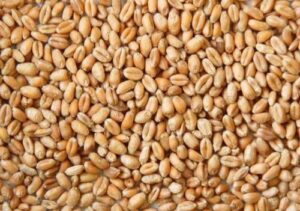
Inspecting premium imported wheat grains for quality assurance and purity.
When industrial flour mills, commercial bakeries, and food processors across West Africa need a dependable supply of high-grade grain, Renamy Global Resources is the premier direct importer and wholesale distributor they trust.
We partner directly with elite agricultural exporters across North America, Europe, and Australia to deliver consistent, lab-tested wheat grains and packaged flour straight to your facility. Whether your operations require bulk vessel shipments or containerized deliveries, Renamy Global Resources provides seamless customs clearance, port logistics, and flexible commercial terms.
Tailored Wheat Supply for Commercial & Retail Markets
Our supply chain is engineered for commercial buyers who demand high protein content, optimal gluten strength, and consistent baking performance.
Wheat serves as a foundational staple in modern food manufacturing, powering production for:
-
Bread & Pastries: Commercial loaf bread and artisanal sourdough.
-
Pasta & Noodles: High-grade semolina, macaroni, and pasta manufacturing.
-
Packaged Flour: Consumer-ready whole wheat flour for supermarket shelves.
-
Food Processing: Institutional catering and commercial baking plants.
Renamy Global Resources discusses supply strictly according to product availability, quantity, grain grade, technical specifications, packaging, destination, and buyer requirements.
What Is Imported Milling Wheat?
Imported milling wheat consists of select, high-grade varieties—such as Hard Red Winter (HRW), Hard Red Spring (HRS), and Durum wheat—harvested, cleaned, and processed to meet strict international standards.
Depending on your end product, grain parameters vary by protein percentage, moisture level, and enzyme activity to ensure optimal production results.
Why Choose Renamy Global Resources?
Sourcing bulk grain requires a partner who understands both international trade logistics and regional market demands.
Who We Serve:
-
Industrial Flour Mills: Reliable, high-tonnage grain for continuous production schedules.
-
Commercial Bakeries: Consistent gluten quality across every single baking batch.
-
Wholesalers & Distributors: Dependable supply chains for regional distribution.
-
Supermarkets & Retailers: Packaged flour ready for consumer shelves.
Certified Grain Specifications & Technical Standards
Every shipment supplied by Renamy Global Resources is accompanied by an official Certificate of Analysis (CoA) verifying purity and performance metrics:
Flexible Packaging & Global Logistics
We offer packaging solutions tailored to your operational scale:
-
Industrial & Bulk Packaging: Bulk grain vessel shipments and 20ft/40ft containerized cargo (flexi-bags or bulk loading).
-
Wholesale & Commercial Bags: 50kg moisture-resistant woven polypropylene bags for regional warehouses and bakeries.
-
Retail Consumer Packs: 1kg and 5kg moisture-sealed poly packs, including private-label and custom branding options.
Regulatory Compliance & Quality Assurance
Importing food grains requires strict adherence to international trade laws and regional food safety standards. Renamy Global Resources ensures full compliance with:
-
Phytosanitary Certificates (Plant Health & Pest-Free Verification)
-
Certificates of Analysis (CoA) (Lab Test Reports)
-
Certificates of Origin & Bills of Lading
-
NAFDAC & SONCAP Approvals (for Nigerian Domestic Trade)
-
Customs Clearance & Port Logistics Support
How to Order Bulk Wheat & Flour
Placing a wholesale order with Renamy Global Resources is straightforward:
-
Specify Your Product: Choose bulk wheat grain (HRW, HRS, Durum) or processed whole wheat flour (1kg, 5kg, or 50kg bags).
-
State Your Quantity: Provide your total tonnage, container count, or bag quantity.
-
Select Technical Specs: Share your required protein level, moisture content, and intended application.
-
Choose Packaging: Indicate your preferred bulk, wholesale, or retail packaging.
-
Provide Destination & Terms: Specify your delivery port/warehouse and preferred shipping terms (CIF, FOB, or DDP).
-
Request a Quotation: Submit your details to our team for a fast response.
Frequently Asked Questions (FAQ)
Can I buy bulk milling wheat from Renamy Global Resources Ltd?
Yes. We supply imported milling wheat and whole wheat flour in bulk to industrial millers, bakeries, distributors, and commercial buyers.
What origin wheat does Renamy Global Resources import?
We partner with top agricultural exporters across North America, Europe, and Australia to deliver high-yield, lab-tested wheat varieties directly to West Africa.
Do shipments include quality certificates?
Yes. All shipments include an official Certificate of Analysis (CoA) and Phytosanitary Certificate verifying protein, moisture, purity, and safety.
What are the delivery options?
We offer flexible commercial terms including bulk vessel shipments, containerized deliveries, CIF (Cost, Insurance, and Freight), FOB (Free on Board), and DDP (Delivered Duty Paid).
Contact Renamy Global Resources Ltd
Renamy Global Resources Ltd
Premier Direct Importer & Wholesale Distributor of High-Grade Agricultural Products.
-
Email: [email protected]
-
Phone & WhatsApp: +234 805 488 5543
For all enquiries regarding wholesale milling wheat, bulk grain imports, packaged whole wheat flour, commercial bakery supplies, or contract trade, contact Renamy Global Resources Ltd today.
- Published in Uncategorized
Imported Milling Wheat Flour | Renamy Global Resources

Inspecting premium imported wheat grains for quality assurance and purity.
If you are looking for wholesale imported wheat from Renamy Global Resources, we supply premium milling wheat and high-grade whole wheat flour to industrial flour mills, commercial bakeries, food processing companies, food distributors, wholesalers, retailers, supermarkets, and international buyers.
Renamy Global Resources Ltd is a premier direct importer and wholesale distributor of high-grade milling and durum wheat in West Africa. We partner with agricultural exporters across North America, Europe, and Australia to deliver consistent, lab-tested wheat grains directly to industrial flour mills, commercial bakeries, and food processing plants. Whether you require bulk vessel shipments or containerized deliveries, we provide seamless customs clearance, port logistics, and flexible commercial terms.
Imported Milling Wheat and Flour for Wholesale, Commercial, and Retail Markets
Our wheat supply is tailored for commercial buyers requiring reliable, high-protein milling wheat and whole wheat flour for industrial flour production, commercial baking, bulk distribution, catering, food service, retail packaging, and regional trade.
Wheat is a foundational staple in modern food manufacturing, used extensively for bread, pastries, noodles, pasta, semolina, flatbreads, and packaged health foods. For commercial buyers and food processors, sourcing high-spec imported wheat ensures consistent flour yield, optimal dough elasticity, and superior baking performance.
Renamy Global Resources can discuss supply according to product availability, quantity, grain grade, technical specifications, packaging, destination, and buyer requirements.
What Is Imported Milling Wheat?
Imported milling wheat refers to select, high-grade wheat varieties—such as Hard Red Winter (HRW), Hard Red Spring (HRS), and Durum wheat—harvested, cleaned, and processed to meet strict international food and milling standards.
Depending on the intended end product, wheat grain parameters vary by protein percentage, gluten strength, moisture level, and enzyme activity to suit specific food manufacturing needs.
Common Commercial & Culinary Applications
-
Commercial Loaf Bread & Sourdough Production
-
Industrial Flour Milling & Grain Blending
-
Pasta, Macaroni & Semolina Manufacturing
-
Artisanal & Home Baking
-
Confectionery, Cakes & Pastries
-
Packaged Consumer Whole Wheat Flour
-
Food Processing & Institutional Catering
-
Regional & International Food Wholesale
Commercial buyers should specify their required technical parameters and end-use application when submitting a quotation request.
The Wheat & Flour Market in West Africa
Nigeria and the broader West African region maintain a massive demand for high-protein milling wheat. Local agricultural processors, industrial flour mills, bakeries, and consumer food brands rely heavily on consistent imports of top-grade wheat to meet national food security and nutritional demands.
Through our established partnerships with global exporters and logistics networks, Renamy Global Resources Ltd serves as a trusted bridge connecting overseas suppliers with regional processors and distributors across West Africa.
For companies seeking bulk imported wheat and whole wheat flour, sourcing through Renamy Global Resources provides access to lab-tested grain with complete documentation and hassle-free port clearance.
Why Buy Wholesale Wheat & Flour from Renamy Global Resources?
Purchasing wheat in bulk is essential for businesses requiring predictable, long-term supply for food production, milling, distribution, or retail.
Wholesale Wheat Supply Is Suitable For:
-
Industrial Flour Mills & Grain Processors
-
Commercial Bakeries & Confectionery Plants
-
Food Wholesalers & Commodity Distributors
-
Supermarket Chains & Grocery Stores
-
Institutional Caterers & Hotel Chains
-
Exporters & Regional Agricultural Traders
For large-scale millers and distributors, purchasing commercial quantities supports cost efficiency and consistent production schedules. Commercial bakeries benefit from consistent gluten quality and baking performance across every batch.
Before ordering, buyers should confirm their required order volume, grain grade, technical specifications, packaging, delivery destination, and target market.
Grain Specifications & Technical Standards
Every shipment supplied by Renamy Global Resources comes with a full Certificate of Analysis (CoA) to verify grain health, purity, and performance metrics.
| Specification Parameter | Milling Grade (Hard Red Winter/Spring) | Durum Wheat (Semolina Grade) |
| Grain Type | Hard Red / Non-GMO | Durum / Non-GMO |
| Protein Content | 11.5% – 14.0% | 13.0% – 15.0% |
| Moisture Content | Max 12.5% | Max 12.0% |
| Falling Number | 250+ seconds | 300+ seconds |
| Test Weight | Min 78 kg/hl (58 lbs/bu) | Min 80 kg/hl (60 lbs/bu) |
| Gluten Index | 80% – 95% | N/A |
Imported Wheat & Flour Packaging Options for Wholesale & Consumer Markets
Packaging requirements vary based on the scale of operation, transport method, shipping destination, and target market.
1. Industrial & Bulk Grain Packaging
-
Bulk Grain Vessel Shipments: For large industrial flour mills and port-to-port logistics.
-
20ft / 40ft Containerized Cargo: Flexi-bag or bulk container loading.
-
50kg Woven Polypropylene Bags: Moisture-resistant heavy-duty bags for wholesale distribution, bakeries, and regional warehouses.
2. Retail & Consumer Packaging
-
1kg & 5kg Moisture-Sealed Poly Packs: Designed for supermarket shelves, grocery stores, and home bakers.
-
Private-Label / Custom Branding: Available for commercial clients, supermarket chains, and food distributors requiring custom packaging and private labelling.
Regulatory Compliance & Quality Assurance
Importing and distributing food grains requires strict adherence to international trade laws, food safety standards, and regional agricultural regulations.
When sourcing wheat and flour through Renamy Global Resources Ltd, we ensure full compliance with necessary regulatory bodies and documentation requirements, including:
-
Phytosanitary Certificates (Plant Health & Pest-Free Verification)
-
Certificates of Analysis (CoA) (Lab Test Reports)
-
Certificates of Origin
-
NAFDAC & SONCAP Quality Approvals (for Nigerian Domestic Trade)
-
Customs Clearance & Port Logistics Support
Who Buys Wholesale Wheat & Flour?
Our commercial client base includes:
-
Industrial Flour Millers
-
Commercial Bakery Factories
-
Agricultural Commodity Traders
-
Food Wholesalers & Distributors
-
Supermarkets & Retail Chains
-
Specialty Baking & Health Food Stores
-
Food Service & Institutional Caterers
How to Order Bulk Wheat & Flour from Renamy Global Resources
Ordering wholesale wheat or packaged flour begins with a straightforward enquiry process:
-
Specify Your Product: Indicate whether you require bulk wheat grain (HRW, HRS, Durum) or processed whole wheat flour (1kg, 5kg, or 50kg bags).
-
State Your Quantity: Provide the total tonnage, container count, or number of bags required.
-
Select Your Technical Specifications: Share your required protein level, moisture content, and intended application (e.g., bread baking, pasta manufacturing, milling).
-
Choose Your Packaging: Indicate preferred bulk bags, container loading, or retail packaging.
-
Provide Your Destination & Shipping Terms: Specify your delivery port or warehouse location, along with your preferred shipping terms (CIF, FOB, or DDP).
-
Request a Quotation: Submit your details to Renamy Global Resources Ltd so our team can prepare a competitive quote based on current market availability and trade logistics.
Frequently Asked Questions (FAQ)
Can I buy bulk milling wheat from Renamy Global Resources Ltd?
Yes. Renamy Global Resources Ltd is a premier direct importer and wholesale distributor of high-grade milling and durum wheat in West Africa, supplying industrial millers, bakeries, distributors, and commercial buyers.
What origin wheat do you import?
We partner with top agricultural exporters across North America, Europe, and Australia to deliver high-yield, lab-tested wheat varieties directly to West Africa.
What grades of wheat do you supply?
We supply top-tier international wheat grades, including Hard Red Winter (HRW), Hard Red Spring (HRS), Soft White Wheat, and Durum Wheat for semolina production.
Do you supply finished whole wheat flour for retail?
Yes. We supply high-protein whole wheat flour in 1kg and 5kg retail packs as well as 50kg commercial bags for bakeries and catering businesses.
Do shipments include quality certificates?
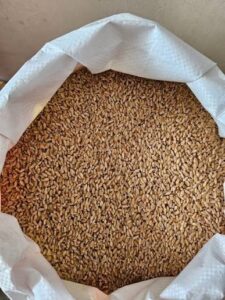
Sourcing diverse international wheat varieties, including Hard Red Winter and Durum.
Yes. All shipments are accompanied by an official Certificate of Analysis (CoA) and Phytosanitary Certificate verifying protein content, moisture levels, purity, and safety.
What are the delivery options?
We offer flexible commercial terms including bulk vessel shipments, containerized deliveries, CIF (Cost, Insurance, and Freight), FOB (Free on Board), and DDP (Delivered Duty Paid) to local warehouses.
Source Wholesale Wheat & Flour from Renamy Global Resources
If you are looking to buy wholesale imported wheat or premium whole wheat flour for industrial milling, bakeries, food distribution, supermarket retail, or commercial food service, Renamy Global Resources Ltd is ready to discuss your requirements.
Please Provide the Following Details with Your Enquiry:
-
Required Quantity (Tons, Containers, or Bags)
-
Grain Grade or Flour Type
-
Technical Specifications (Protein, Moisture, etc.)
-
Preferred Packaging
-
Destination Port or Warehouse Location
-
Shipping & Delivery Requirements
Contact Renamy Global Resources Ltd
Renamy Global Resources Ltd
Premier Direct Importer & Wholesale Distributor of High-Grade Agricultural Products.
-
Email: [email protected]
-
Phone & WhatsApp: +234 805 488 5543
For all enquiries regarding wholesale milling wheat, bulk grain imports, packaged whole wheat flour, commercial bakery supplies, or contract trade, contact Renamy Global Resources Ltd today.
- Published in Uncategorized
Wheat Suppliers in Nigeria for Business Buyers
Finding reliable wheat suppliers in Nigeria is important for businesses that depend on wheat for production, processing or wholesale

Business buyers can inspect wheat samples and discuss supply requirements with suppliers.
distribution. Flour mills, bakeries, food manufacturers and other commercial buyers need to consider more than price when sourcing wheat for their operations.
The right purchasing decision starts with understanding your requirements, confirming product specifications and communicating clearly with your supplier. Buyers should also consider quantity, delivery arrangements, payment terms and the documentation available for the proposed transaction.
Renamy Global Resources Ltd serves buyers interested in agricultural commodities and can discuss wheat supply requirements with businesses looking for suitable purchasing arrangements.
What Should Businesses Consider When Choosing Wheat Suppliers in Nigeria?
Commercial wheat buyers should assess several factors before committing to a purchase.
A supplier’s ability to understand your requirements and provide clear information can make the purchasing process easier. Buyers should request relevant details about the wheat being offered and confirm the terms of the proposed transaction.
Consider these important areas:
- Wheat type and intended application
- Required quantity
- Product specifications
- Price and applicable charges
- Payment terms
- Delivery arrangements
- Available quality documentation
- Expected delivery period
- Communication and customer support
Taking time to review these points can help businesses make better-informed purchasing decisions.
1. Know the Type of Wheat Your Business Needs
Different businesses may have different wheat requirements.
A flour mill may need wheat that suits its specific milling process and target flour products. Bakeries and food manufacturers may also have particular requirements based on the products they produce.
Before contacting a supplier, identify the specifications that matter to your business.
Depending on your application, these may include characteristics such as protein content, moisture, test weight and other agreed quality parameters.
Clear specifications help suppliers understand what you are looking for and make it easier to compare suitable offers.
2. Determine Your Required Quantity
Knowing your expected purchase quantity helps you approach suppliers with a clear request.
Review your production schedule, previous consumption and current stock before deciding how much wheat you need.
A buyer who needs a few tonnes may have different purchasing requirements from a large commercial operation planning a larger order.
Avoid ordering quantities that exceed your realistic business needs or available storage arrangements. At the same time, consider your expected consumption and replenishment time so that insufficient stock does not interrupt production.
3. Compare Wheat Prices Carefully
Price remains an important consideration when purchasing wheat, but buyers should look beyond the headline price.
Ask what the quoted price includes and whether additional costs apply to the transaction.
Depending on the agreement, buyers may need to consider transportation, handling and other applicable charges.
When comparing suppliers, use the total expected purchasing cost rather than comparing only the basic wheat price.
Also check how long a quotation remains valid. Market conditions and commercial factors can affect prices, so buyers should confirm the current price and terms before placing an order.
4. Ask About Quality Specifications
Quality requirements should form part of the purchasing discussion from the beginning.
Ask the supplier to provide the available information about the wheat being offered. Where appropriate, buyers can request relevant quality documentation or agree on inspection and testing procedures.
The exact checks required will depend on the transaction and the buyer’s intended use.
Businesses should avoid assuming that two wheat offers are identical simply because they have similar prices. Confirm the specifications and documentation before making a purchasing commitment.
5. Discuss Delivery Arrangements Clearly
Delivery is another important part of a commercial wheat purchase.
Before confirming an order, discuss the delivery location, expected timing, transportation arrangements and responsibilities of the buyer and supplier.
Provide an accurate delivery location and explain any requirements that could affect unloading or receiving the wheat.
If your production schedule depends on a particular delivery period, communicate that requirement early.
Clear communication can reduce misunderstandings and help both parties plan the transaction more effectively.
6. Consider Your Storage Arrangements
Buyers should consider their own storage capacity before ordering wheat in bulk.
Suitable storage helps protect wheat from moisture, pests, contamination and avoidable deterioration.
Before placing a large order, determine whether your warehouse, silo or other approved storage arrangement can accommodate the quantity safely.
If your available capacity is limited, discuss a delivery schedule that fits your operations where such an arrangement is available.
The important point is to match your purchase quantity with your actual storage and production requirements.
7. Check Payment and Purchase Terms
Commercial transactions should have clear payment and purchasing terms.
Before making payment, confirm the agreed quantity, product specifications, price, payment schedule and delivery arrangements.
Ask questions about any terms you do not understand.
Keep quotations, invoices, purchase orders, receipts and relevant correspondence for your business records.
Clear documentation can help both buyers and suppliers refer back to the agreed terms if questions arise during the transaction.
8. Choose a Supplier That Understands Business Buyers
Commercial buyers often need more than a product quotation. They need a supplier that can understand their requirements and communicate clearly throughout the purchasing process.
A good supplier discussion should allow the buyer to explain the intended application, required quantity, preferred specifications and delivery needs.
Businesses should also evaluate suppliers based on the information they can verify rather than relying only on advertising claims.
Ask relevant questions, review the available documentation and confirm the terms before making a commitment.
9. Prepare Your Wheat Purchasing Information
Before contacting a wheat supplier, prepare the basic information required for a useful discussion.
You should know:
- Your estimated wheat quantity
- Intended use
- Preferred wheat specifications
- Delivery location
- Expected purchasing period
- Preferred payment arrangement
- Any documentation or quality requirements
Having this information ready can make supplier discussions more efficient.
It also helps suppliers understand the nature of your enquiry and determine what information they need to provide.
10. Why Nigerian Businesses Can Contact Renamy Global Resources Ltd
Renamy Global Resources Ltd is an agricultural commodities import and export company serving businesses interested in commodity supply and trade.
Businesses looking for wheat suppliers in Nigeria can contact Renamy to discuss their requirements and enquire about applicable wheat supply arrangements.
When contacting the company, buyers should provide their expected quantity, intended application, preferred specifications and delivery location.
Renamy can then discuss the relevant purchasing requirements and provide information applicable to the proposed transaction.
Buyers should confirm current availability, pricing, specifications, documentation, payment conditions and delivery arrangements directly before placing an order.
Conclusion
Choosing suitable wheat suppliers in Nigeria requires careful consideration of product requirements, quantity, price, quality information, delivery arrangements and purchasing terms.
Commercial buyers can improve their purchasing decisions by preparing their requirements in advance, asking clear questions and reviewing the terms before making a commitment.
For flour mills, bakeries, food manufacturers and other businesses that need wheat, a clear and professional supplier discussion is an important starting point.
Renamy Global Resources Ltd welcomes business enquiries from buyers interested in discussing agricultural commodity supply requirements.
Contact Renamy Global Resources Ltd
For wheat supply enquiries and commercial purchasing discussions, contact:
Renamy Global Resources Ltd
Email: [email protected]
Phone: +234 805 488 5543
When contacting Renamy, include your required quantity, intended use, preferred specifications and delivery location to help the company understand your requirements.
- Published in Uncategorized
How to Calculate Wheat Requirements for Flour Mills and Bakeries
Assessing wheat requirements helps businesses plan purchases and manage their inventory.
Calculating wheat requirements accurately helps flour mills, bakeries and food manufacturers in Nigeria plan purchases, control costs and maintain production. Buying too little wheat can interrupt operations, while purchasing more than a business can use or store may tie up working capital and increase storage risks.
Businesses that calculate wheat requirements carefully can create more reliable purchasing schedules and communicate their needs clearly to suppliers. This guide explains how commercial wheat buyers can estimate consumption, plan stock levels and prepare for bulk purchases.
1. Understand Your Production Requirements
The first step is to understand how much wheat your business uses during normal operations. Requirements vary according to production capacity, customer demand, operating days and the type of products a business makes.
For example, a flour mill supplying several bakeries may consume more wheat than a small bakery producing bread for its local customers. Seasonal demand and new customer orders can also change consumption.
Review your recent production records, purchase history and stock reports to establish a realistic starting point.
2. Calculate Average Daily Wheat Consumption
Average daily consumption gives your business a useful baseline for purchasing decisions.
Use this simple formula:
Average daily wheat consumption = Total wheat used ÷ Number of operating days
For example, if a business uses 12,000 kilograms of wheat over 24 operating days, its average daily consumption is:
12,000 kg ÷ 24 days = 500 kg per operating day.
This example is for illustration only. Your actual consumption will depend on your production activities and operating schedule.
Where consumption changes significantly from day to day, calculate averages across several weeks or months to identify a more representative pattern.
3. Estimate Wheat Requirements for a Specific Period
Once you know average daily consumption, estimate how much wheat you need for the next purchasing period.
Use this formula:
Estimated wheat requirement = Average daily consumption × Planned operating days
For a business using 500 kg per operating day and planning to operate for 26 days, the estimated requirement is:
500 kg × 26 days = 13,000 kg, or 13 tonnes.
This figure represents estimated usage before accounting for existing stock, incoming deliveries or additional safety stock.
Review the estimate whenever you expect a change in production volume or customer demand.
For more guidance, read our article on planning bulk wheat purchases in Nigeria.
4. Subtract Available Stock and Confirm Incoming Deliveries
Your purchasing requirement is not always the same as your total wheat consumption. You must account for usable stock already available and deliveries that you can reasonably expect to receive on time.
Use this formula:
Purchase requirement = Forecast consumption + Desired closing stock − Usable stock − Confirmed incoming deliveries
For example, suppose a business forecasts 13 tonnes of consumption, wants 3 tonnes remaining at the end of the period, has 4 tonnes of usable stock and expects 2 tonnes from a confirmed incoming delivery.
The calculation is:
13 + 3 − 4 − 2 = 10 tonnes to purchase.
This calculation provides a starting estimate. Check delivery dates and stock records before placing an order, and avoid counting the same stock twice.
5. Set an Appropriate Safety Stock Level
Safety stock is the additional inventory a business keeps to help manage unexpected demand or supply delays. The appropriate amount depends on how quickly the business uses wheat, how predictable demand is and how long replenishment takes.
A flour mill with consistent consumption and reliable delivery arrangements may need a different safety-stock level from a bakery that experiences frequent demand changes.
To establish a suitable level:
- Review previous supply delays and unexpected increases in demand.
- Calculate how much wheat the business uses during a typical delivery lead time.
- Consider available storage space and working capital.
- Review the safety-stock level regularly as business conditions change.
Avoid choosing an arbitrary quantity without considering actual consumption and supply conditions.
6. Account for Wheat Type and Production Needs
Not every wheat purchase will suit every production process. Businesses should identify the wheat characteristics and specifications their operations require before calculating order quantities.
Flour mills should consider the needs of their intended flour products and customers. Bakeries and food manufacturers should consult their production requirements and confirm suitable specifications with their suppliers.
Before making a bulk purchase, clarify the expected wheat type, applicable quality requirements, quantity, packaging and other relevant purchase terms.
7. Consider Storage Capacity Before Ordering
Storage capacity places a practical limit on how much wheat a business should purchase at once. A large order may offer purchasing advantages in some circumstances, but it must fit the business’s storage arrangements and cash-flow position.
Before confirming an order, consider:
- Available warehouse or silo capacity.
- Protection from moisture, pests and contamination.
- Safe handling and stock rotation procedures.
- Expected consumption before the next purchase.
- Funds available for the purchase and related costs.
Good storage management helps businesses protect wheat quality and reduce avoidable losses.
8. Include Delivery Lead Time in Your Calculation
Delivery lead time is the period between placing an order and receiving the wheat. Businesses should consider this period when deciding when to reorder and how much stock to keep available.
A business that uses 500 kg of wheat per operating day will require 2,500 kg for five operating days at the same consumption rate. If replenishment takes longer than expected, its stock plan should account for that possibility.
Discuss estimated delivery schedules, order confirmation and any relevant transport arrangements with your supplier. Confirm the details before relying on a delivery date in your production plan.
9. Monitor Actual Consumption Against Your Estimate
A wheat requirement calculation is only useful when the business compares its forecast with actual usage. Record daily consumption, stock received, stock remaining and any production changes.
If actual usage repeatedly exceeds the forecast, investigate whether customer demand has increased, production has changed or stock records contain errors. If usage remains below the estimate, adjust future orders to avoid unnecessary inventory.
Regular reviews help improve purchasing accuracy over time.
10. Prepare a Wheat Purchasing Schedule
A purchasing schedule turns your calculations into a practical plan. It should identify the expected quantity, intended purchase date, current stock, estimated delivery date and person responsible for confirming the order.
Flour mills and larger manufacturers may benefit from a rolling schedule covering several weeks. Smaller bakeries may prefer a shorter planning period that reflects their storage capacity and cash flow.
Review the schedule whenever demand, prices, stock levels or delivery arrangements change.
11. Discuss Your Wheat Requirements With Renamy Global Resources Ltd
Commercial buyers who want to plan bulk wheat purchases should prepare clear information about their expected quantity, intended use, required specifications and preferred delivery arrangements.
Renamy Global Resources Ltd operates in the agricultural commodities import and export sector. Businesses interested in purchasing wheat can contact the company to discuss their requirements and enquire about applicable supply arrangements, pricing, product specifications and delivery terms.
Conclusion
Calculating wheat requirements helps flour mills, bakeries and food manufacturers make better purchasing decisions. By reviewing consumption, subtracting usable stock, allowing for safety stock and considering delivery lead times, businesses can develop more practical procurement plans.
Accurate stock records and regular forecast reviews also help businesses adjust to changing demand and avoid unnecessary purchasing. Before placing a bulk order, confirm your requirements and agree on the relevant supply terms with your supplier.
Contact Renamy Global Resources Ltd
For enquiries about wheat supply and bulk purchasing requirements in Nigeria, contact:
Company: Renamy Global Resources Ltd
Email: [email protected]
Phone: +234 805 488 5543
Contact the company to discuss your business requirements and enquire about applicable wheat supply arrangements.
- Published in Uncategorized
How to Manage Wheat Supply Chain Risks in Nigeria

Delivery coordination and suitable storage are important parts of managing wheat supply risks.
Wheat supply chain risks in Nigeria can affect flour mills, bakeries, food manufacturers and wholesale buyers that depend on a reliable supply of grain. Unexpected delivery delays, changing purchase costs, inadequate storage and poor supplier communication can disrupt production and make business planning more difficult.
For companies that purchase wheat in bulk, effective risk management starts with understanding their requirements, planning ahead and establishing clear purchasing arrangements.
This guide explains practical ways Nigerian businesses can reduce wheat supply disruptions and manage their procurement activities more effectively.
1. Understand the Main Risks in Wheat Procurement
Every business should identify the problems that could affect its wheat supply. Recognising these risks early helps purchasing managers develop appropriate solutions.
Common risks include:
- Delivery delays: Shipments may arrive later than expected and affect production schedules.
- Price changes: Quoted prices may change before an order is confirmed or according to the agreed pricing terms.
- Quality discrepancies: Delivered wheat may fail to meet the specifications agreed upon with the supplier.
- Insufficient stock: Poor demand forecasting can leave a business without enough wheat for production.
- Storage problems: Inadequate storage can expose grain to moisture, pests or contamination.
- Communication gaps: Unclear payment, delivery or documentation terms can cause disagreements between buyers and suppliers.
Once a business understands its main risks, it can prioritise the issues that pose the greatest threat to production and cash flow.
2. Forecast Wheat Demand Accurately
Accurate demand forecasting helps businesses determine how much wheat they need and when to place their next order.
Flour mills can estimate requirements from planned production volumes. Bakeries and food manufacturers can use their production schedules and historical consumption records to calculate their needs.
Review current stock levels regularly and consider changes in customer demand, production capacity and purchasing lead times.
A practical forecast should answer three questions:
- How much wheat will the business consume during the planning period?
- How much usable stock remains in the warehouse?
- How long will it take to obtain and receive a replacement order?
Use actual consumption records rather than guesswork when preparing your estimates. This approach helps purchasing managers anticipate shortages before they affect operations.
3. Maintain Appropriate Safety Stock
Safety stock refers to the additional inventory a business keeps to manage unexpected demand or supply delays.
The appropriate quantity depends on wheat consumption, available storage, delivery lead times, budget and the consequences of running out of stock.
For example, a flour mill with a long replenishment period may need a different safety-stock policy from a small bakery that can arrange more frequent purchases.
Calculate safety stock using actual consumption and supply records instead of choosing an arbitrary quantity. Review the figure whenever demand patterns or delivery conditions change.
Excessive stock can tie up working capital and increase storage expenses. A balanced approach helps businesses maintain production without committing unnecessary funds to inventory.
4. Build Clear Relationships With Suppliers
Good supplier communication helps buyers identify potential problems early and coordinate purchasing activities.
Before confirming an order, discuss the wheat specifications, quantity, price, payment conditions, delivery location and expected delivery period.
Ask how the supplier will communicate schedule changes. Also, clarify the procedures for resolving differences in delivered quantity or quality.
Keep important agreements in writing. Quotations, purchase orders, invoices and delivery records provide useful evidence if questions arise later.
Evaluate suppliers using relevant information, including their ability to meet agreed terms, provide appropriate documentation and communicate clearly.
Avoid making purchasing decisions based solely on verbal assurances or an unusually attractive price.
5. Consider More Than One Suitable Supplier
Depending on the business and the available market, relying entirely on one supplier may create additional risk. If that supplier experiences delays or cannot fulfil an order, the buyer may struggle to maintain production.
Where practical, identify alternative suppliers that can meet your business’s specifications, quantity requirements and purchasing conditions.
Assess these alternatives before an emergency occurs. Confirm their commercial terms, quality documentation, lead times and ability to serve your intended delivery location.
Having several supplier contacts does not automatically guarantee continuity. Evaluate each option carefully, and avoid commitments that exceed your budget or operational needs.
The goal is to improve purchasing flexibility without compromising quality or financial stability.
6. Monitor Wheat Prices and Your Purchasing Budget
Changes in wheat prices and related expenses can affect a business’s operating budget.
When reviewing quotations, consider the full expected cost of the transaction. Depending on the agreement, expenses may include transportation, handling, warehousing, insurance and other applicable charges.
Ask suppliers how long each quotation remains valid. Confirm whether the price will remain fixed once you place an order.
For transactions involving foreign currency, clarify the payment currency and the exchange-rate basis where relevant.
Maintain a realistic purchasing budget and review it whenever commercial terms change. Comparing quotations on a consistent basis helps buyers avoid selecting an offer that appears cheaper but carries higher additional costs.
7. Plan Delivery and Transportation Carefully
A reliable purchasing plan should include a realistic delivery schedule.
Confirm the delivery location, transportation arrangements, unloading responsibilities and documents required for each shipment.
Consider your warehouse capacity and production schedule before agreeing to a delivery date. For larger purchases, discuss whether several agreed deliveries would suit your operations better than receiving the entire order at once.
Record the expected delivery date and follow up with the supplier as that date approaches.
If a delay occurs, check your available stock and inform the relevant staff promptly. Early communication gives the business more time to review its options and adjust its production plans.
8. Protect Wheat During Storage
Poor storage can create problems even when wheat arrives in acceptable condition.
Maintain suitable storage conditions and protect grain from moisture, pests, contamination and avoidable deterioration.
Keep storage facilities clean, inspect incoming grain and monitor stock regularly. Apply appropriate pest-management and stock-rotation procedures.
Record the quantities received, quantities issued for production and remaining stock. These records help identify unusual losses and improve future purchasing decisions.
Check your available storage capacity before increasing the quantity purchased in a single order. Where necessary, improve storage arrangements or discuss a more suitable delivery schedule.
9. Establish Quality and Documentation Checks
Buyers and suppliers should agree on quality requirements before confirming a transaction.
Specify the characteristics the wheat must meet and determine which documents or inspection procedures will verify compliance.
Depending on the transaction, relevant checks may include a certificate of analysis, representative sampling, laboratory testing, independent inspection or other mutually agreed documentation.
When a shipment arrives, compare the delivered quantity and accompanying documents with the purchase agreement.
Record any discrepancies promptly and follow the agreed procedures for inspection, reporting and resolution.
These measures help buyers manage quality-related risks and reduce misunderstandings with suppliers.
10. Prepare a Contingency Plan
Even with careful planning, unexpected problems can occur. A contingency plan helps businesses respond in an organised manner.
Your plan should identify:
- The person responsible for monitoring stock levels.
- The minimum stock level that triggers a purchasing review.
- Alternative suppliers that the business has already assessed.
- Procedures for communicating delivery delays.
- Available storage and budget flexibility.
- Steps for documenting quality or quantity discrepancies.
Review the plan periodically and update it whenever production requirements, suppliers or purchasing arrangements change.
A simple written plan is more useful than relying on last-minute decisions when a supply problem occurs.
11. Review Your Supply Performance Regularly
Keep records of how well each purchase meets the original agreement.
Useful performance measures include delivery punctuality, quantity accuracy, compliance with agreed specifications, total purchasing cost and the time required to resolve problems.
Compare these records with your stock and production data. The results can reveal weaknesses in your purchasing process.
For example, repeated delays may indicate a need to revise delivery schedules or purchasing lead times. Frequent unexpected costs may require a more detailed quotation review, while recurring stock shortages may point to weaknesses in demand forecasting.
Regular reviews turn past purchasing experience into better decisions for future orders.
12. Discuss Your Wheat Supply Requirements With Renamy Global Resources Ltd
Businesses seeking commercial wheat supply arrangements should communicate their requirements clearly before requesting a quotation.
Renamy Global Resources Ltd welcomes enquiries from businesses interested in discussing their wheat purchasing requirements and applicable supply arrangements.
When making an enquiry, provide details about your required quantity, intended use, preferred specifications, delivery location and expected purchasing schedule.
Confirm current availability, pricing, quality documentation, minimum order quantities, payment conditions and delivery arrangements directly before making a commitment.
Clear communication helps both parties understand the requirements of a proposed transaction.
Conclusion
Managing wheat supply chain risks in Nigeria requires accurate demand forecasting, sensible stock management, supplier communication, budget control and delivery planning.
Businesses can improve their preparedness by maintaining appropriate safety stock, assessing alternative suppliers, protecting wheat during storage and agreeing on quality requirements before confirming an order.
For flour mills, bakeries, food manufacturers and wholesale buyers, these practices support informed purchasing decisions and help reduce avoidable disruptions.
Contact Renamy Global Resources Ltd
If your business is planning a commercial wheat purchase, contact Renamy Global Resources Ltd to discuss your requirements and enquire about applicable supply arrangements.
Email: [email protected]
Phone: +234 805 488 5543
Include your required quantity, intended application, preferred specifications and delivery location when making your enquiry.
- Published in Uncategorized
How to Plan Bulk Wheat Purchases in Nigeria
How to Plan Bulk Wheat Purchases in Nigeria
Proper storage planning is an important part of managing bulk wheat purchases.
Bulk wheat purchases in Nigeria require careful planning, especially for flour mills, bakeries, food manufacturers and wholesale grain buyers. Purchasing wheat in large quantities can help businesses coordinate production and manage their supply needs, but poor planning can create storage challenges, unexpected expenses and supply interruptions.
Before placing an order, commercial buyers should understand their wheat requirements, establish a realistic budget, evaluate storage capacity and agree on delivery arrangements with their suppliers.
This guide explains how Nigerian businesses can plan bulk wheat purchases more effectively.
1. Calculate Your Business’s Wheat Requirements
The first step is determining how much wheat your business needs over a specific period.
Flour mills may calculate requirements based on production targets, while bakeries and food manufacturers should consider their expected output and wheat consumption.
Review your previous purchasing records, current stock levels and expected demand before deciding how much to purchase.
Consider the following questions:
- How much wheat does the business consume each week or month?
- How much usable stock is currently available?
- When will the next production cycle begin?
- How much additional stock is needed to cover expected demand?
- Could demand change during the purchasing period?
A realistic demand estimate helps prevent unnecessary purchases and reduces the risk of running out of essential raw materials.
2. Establish a Realistic Purchasing Budget
The cost of bulk wheat purchases involves more than the quoted price per tonne or other agreed unit.
Depending on the transaction, additional expenses may include transportation, handling, unloading, warehousing, insurance and applicable taxes or charges.
Before confirming an order, request a clear quotation showing the wheat price, quantity, applicable additional charges and payment terms.
Compare quotations using the total expected cost of obtaining the wheat at your business premises, where that comparison is possible.
Also, confirm the currency, exchange-rate basis where relevant, quotation validity period and any conditions that could affect the final amount payable.
Careful budgeting helps businesses compare offers fairly and make informed purchasing decisions.
3. Choose Wheat That Matches Your Production Needs
Different businesses may require wheat with different processing characteristics.
For example, a flour mill producing flour for particular applications may have different specifications from a manufacturer purchasing wheat for another food-processing purpose.
Before requesting a quotation, identify the characteristics your production process requires.
These may include:
- Protein content
- Moisture content
- Test weight or bulk density
- Grain cleanliness and condition
- Variety or class, where relevant
- Other processing specifications agreed with the supplier
Do not select wheat based on price alone. Confirm that the proposed product meets your technical requirements and request supporting quality documentation before committing to a large purchase.
4. Evaluate Storage Capacity Before Ordering
Storage is an important consideration when purchasing wheat in bulk.
Wheat should be kept in suitable, clean and dry storage conditions that protect it from moisture, pests, contamination and avoidable deterioration.
Before placing an order, calculate the quantity your available storage facilities can safely accommodate.
Review the following:
- Available warehouse or silo capacity
- Ventilation and moisture-management arrangements
- Pest-control procedures
- Stock monitoring and inspection practices
- Access for unloading and handling
- Measures to keep incoming grain separate from unsuitable or contaminated materials
If your storage capacity is limited, consider whether a delivery schedule divided into agreed quantities would better suit your operations.
Your purchasing plan should reflect your actual storage capabilities rather than assuming that additional space will always be available.
5. Compare Suppliers and Request Clear Terms
Before committing to a bulk wheat purchase, communicate with potential suppliers and compare their proposals.
A useful quotation should explain the product being offered, available quantity for the proposed transaction, applicable specifications, price, delivery arrangements and payment conditions.
Ask suppliers to clarify any details that are missing or unclear.
Important questions include:
- What wheat specifications are being offered?
- What quantity can be supplied under the proposed agreement?
- What quality documents are available?
- What is the quoted price, and what additional charges apply?
- Where will delivery take place?
- Who is responsible for transportation and unloading?
- What are the payment terms?
- How will quality or quantity discrepancies be handled?
- What happens if the agreed delivery schedule changes?
Review the terms carefully and keep written records of quotations, purchase orders, invoices and other relevant documents.
6. Plan Your Delivery Schedule
Delivery planning helps coordinate wheat purchases with production and storage operations.
A delivery that arrives too early may create storage pressure, while a delayed delivery may disrupt production if existing stock is insufficient.
Estimate when your current stock will run low and communicate your expected delivery dates to the supplier in advance.
Confirm the delivery location, quantity, transport arrangements, expected timing and responsibilities of both parties.
For larger transactions, clarify whether the order will be delivered in one shipment or multiple agreed deliveries.
Where possible, allow a reasonable contingency for delays. The appropriate allowance depends on your business’s stock levels, consumption rate and supply arrangements.
Imported Whole Wheat Flour Supplier in Nigeria | Wholesale Flour
7. Agree on Quality Checks Before Delivery
Quality requirements should be discussed before an order is confirmed, not only after the wheat arrives.
Agree on the specifications that the delivered wheat must meet and determine what documentation or inspection procedures will be used to assess compliance.
Depending on the transaction, these may include a certificate of analysis, representative sampling, laboratory testing, independent inspection or other agreed documentation.
Buyers should agree on wheat specifications and quality checks before confirming a bulk purchase.
When the shipment arrives, compare the delivered quantity and available documents with the purchase agreement.
If a discrepancy arises, record the issue promptly and follow the inspection and dispute-resolution procedures agreed with the supplier.
Clear quality and acceptance terms help reduce misunderstandings between buyers and sellers.
8. Monitor Stock and Reorder at the Right Time
A bulk purchasing plan should include a simple stock-monitoring system.
Record the quantity received, quantity used, remaining stock and expected date of the next purchase. Regular reviews help you identify consumption patterns and anticipate shortages.
One useful approach is to establish a reorder point based on average daily or weekly consumption and the expected time needed to receive another shipment.
For example, if a business consumes approximately 10 tonnes of wheat per week and a replacement shipment normally requires two weeks to arrive, the business needs to plan for that lead time while also considering current stock, delivery uncertainty and its chosen safety allowance.
This is an illustrative calculation, not a universal stock recommendation. Actual reorder levels should reflect your own operations.
Consistent stock records can help purchasing managers avoid emergency orders and make better-informed decisions about future quantities.
9. Review the Purchase After Delivery
After receiving a bulk wheat order, compare the actual outcome with the original purchasing plan.
Review the final cost, delivered quantity, quality documentation, delivery timing and any additional expenses.
Ask whether the quantity purchased was appropriate, whether storage arrangements worked effectively and whether the supplier met the agreed terms.
Keep these records for future budgeting and supplier evaluations.
Over time, this information can help your business improve its purchasing forecasts and identify opportunities to make its wheat procurement process more efficient.
10. Discuss Your Requirements With a Commercial Wheat Supplier
For Nigerian businesses seeking wholesale wheat, clear communication is an important part of the purchasing process.
Before requesting a quotation, prepare details about your required quantity, intended application, quality specifications, delivery location and preferred delivery period.
Renamy Global Resources Ltd can be contacted to discuss commercial wheat purchasing requirements and enquire about applicable supply arrangements.
Buyers should confirm current availability, specifications, pricing, minimum order quantities, documentation and delivery terms directly before making a purchasing commitment.
Conclusion
Planning bulk wheat purchases in Nigeria involves more than choosing a supplier or comparing prices. Businesses should calculate their requirements, establish a realistic budget, select suitable wheat specifications, confirm storage capacity and coordinate deliveries with production needs.
Clear written agreements, appropriate quality checks and accurate stock records can also help reduce purchasing risks and improve supply planning.
By taking these steps, flour mills, bakeries, food manufacturers and wholesale buyers can make more informed decisions when arranging bulk wheat purchases.
Contact Renamy Global Resources Ltd
If your business is planning a bulk wheat purchase, contact Renamy Global Resources Ltd to discuss your requirements and enquire about current supply arrangements.
Email: [email protected]
Phone: +234 805 488 5543
When making an enquiry, include your required quantity, intended use, preferred specifications and delivery location so the proposed arrangement can be assessed against your business needs.
- Published in Uncategorized
How to Check Imported Wheat Quality Before Buying
How to Check Imported Wheat Quality Before Buying

Checking wheat quality helps commercial buyers assess whether grain meets their purchasing requirements.
Imported wheat quality is an important consideration for flour mills, bakeries, biscuit manufacturers, food processors, and wholesale buyers in Nigeria. Before purchasing wheat in bulk, businesses should check the product specifications, intended use, quality documentation, and supply terms to ensure the product meets their requirements.
Choosing suitable wheat is not simply about finding the lowest price. Buyers need to understand what they are purchasing, what quality standards apply to their business, and how to verify that the supplied product matches the agreed specifications.
Why Imported Wheat Quality Matters
Wheat is used in flour production and many food manufacturing processes. Its characteristics can influence milling performance, flour properties, and the suitability of the final product for particular applications.
For example, a flour mill may have specific requirements for its milling process, while a bakery or biscuit manufacturer may need flour with different functional characteristics.
Checking wheat quality before buying can help businesses make informed purchasing decisions, manage production requirements, and reduce the risk of receiving a product that does not meet their specifications.
1. Check the Protein Content
Protein content is one of the specifications buyers may consider when assessing wheat for commercial use.
Different applications require different characteristics. Some bread-making applications need flour with suitable dough-forming properties, while biscuit production may require different flour characteristics.
When evaluating imported wheat, ask the supplier for the stated protein content and the method or documentation used to establish it.
Do not assume that higher protein content automatically means better wheat. The appropriate specification depends on the intended product and your production requirements.
2. Verify Moisture Content
Moisture content is an important consideration when buying and storing wheat. Excessive moisture can affect grain condition and storage stability.
Commercial buyers should request the moisture specification for the product and confirm that it meets their purchasing requirements.
Businesses should also ensure that their storage facilities are clean, dry, and suitable for protecting grain from moisture, pests, and contamination.
3. Examine Grain Condition and Cleanliness
The physical condition of wheat is another important factor to consider.
Depending on the product and applicable specifications, buyers may assess:
- Foreign material and impurities
- Damaged or discoloured kernels
- Signs of insect infestation
- Unusual odours
- General grain condition
- Evidence of moisture damage or contamination
A visual inspection can identify some concerns, but it cannot establish every quality characteristic. Where necessary, request representative sampling and appropriate laboratory testing before confirming a substantial order.
4. Ask About Test Weight and Other Specifications
Test weight is one of the measurements that may be used to assess wheat grain. Buyers may also need information about other technical characteristics, depending on their intended application.
For some purchases, relevant specifications may include falling number, protein content, moisture content, foreign material, and other parameters agreed between the buyer and supplier.
Not every specification is equally important for every business. Ask your production or quality-control team to identify the measurements required for your particular application.
5. Request Quality Documentation
Before buying imported wheat in bulk, ask for the available quality documentation associated with the product or shipment.
Depending on the transaction, relevant documents may include:
- Certificate of Analysis (CoA)
- Independent inspection or laboratory reports
- Certificate of Origin, where applicable
- Phytosanitary documentation, where applicable
- Commercial invoice and relevant shipping documents
The exact documentation required depends on the product, transaction, destination, and applicable regulations.
Check that documents identify the relevant product or shipment and that the reported specifications match the terms of the offer. For high-value orders, consider independent verification where appropriate.
6. Confirm That the Wheat Suits Your Business
One of the most important steps in checking imported wheat quality is matching the product to its intended use.
Flour mills: Check whether the available wheat specifications suit your milling process and the flour products you produce.
Bakeries: Consider the characteristics required for your intended bread, pastry, or other baked products.
Biscuit manufacturers: Confirm that the wheat and resulting flour can meet your production specifications.
Pasta and noodle manufacturers: Check the requirements of your particular manufacturing process and product formulation.
Wholesale buyers: Verify the product specifications and documentation so you can accurately understand what you are purchasing and supplying to your customers.
If you are uncertain about suitability, consult your technical team before committing to a bulk purchase.
7. Request a Sample or Independent Inspection
For significant purchases, a sample may help you evaluate whether the wheat is appropriate for your business.
Ask how the sample was selected and whether it represents the product being offered. Where quality is critical, consider suitable laboratory analysis or an independent inspection before finalising the transaction.
For larger orders, buyers should agree on the applicable specifications, inspection arrangements, and procedures for handling any differences between the delivered product and the agreed terms.
8. Compare Price Alongside Quality
The cheapest quotation is not necessarily the most suitable offer.
When comparing imported wheat prices, consider the product specifications, order quantity, applicable charges, delivery terms, payment conditions, and available documentation.
Request a written quotation and clarify which costs are included. Prices and availability can change with market conditions, exchange rates, transportation costs, and supply arrangements.
Always confirm the current price and terms before making a purchasing commitment.
9. Questions to Ask an Imported Wheat Supplier
Before placing an order, consider asking the supplier these questions:
- What wheat product and specifications are available?
- What are the stated moisture and protein contents?
- Is a Certificate of Analysis or other quality documentation available?
- What quantity is available, and what is the minimum order?
- What is the current quoted price, and what does it include?
- What are the payment and delivery terms?
- Can the product be sampled or independently inspected?
- What documentation will accompany the transaction?
- How will any disagreement about the agreed specifications be handled?
Appropriate sampling and testing can help buyers evaluate wheat against agreed quality specifications.
Clear answers help buyers understand the proposed transaction before committing funds.
10. Choosing Imported Wheat Suppliers in Nigeria
When comparing imported wheat suppliers in Nigeria, assess more than the advertised price. Consider the supplier’s communication, product documentation, quotation clarity, delivery arrangements, and ability to explain the proposed transaction.
Verify the relevant business and payment details before making payment. For substantial orders, consider independent product verification and obtain written agreement on the product specifications and delivery conditions.
Buyers should also confirm current availability instead of assuming that every supplier can immediately provide every wheat type or quantity.
Imported Whole Wheat Flour Supplier in Nigeria | Wholesale Flour
Conclusion
Checking imported wheat quality before buying involves reviewing the product specifications, moisture and protein content, grain condition, relevant documentation, and suitability for your intended use.
Flour mills, bakeries, food manufacturers, and wholesale buyers should also compare quotations, confirm delivery terms, and consider sampling or independent testing when appropriate.
A careful purchasing process helps businesses make better-informed decisions and select wheat that meets their operational requirements.
Contact Renamy Global Resources Ltd
Looking for imported wheat for your business?
Renamy Global Resources Ltd is an agricultural commodity importing company. Contact the company to enquire about current wheat availability, product specifications, pricing, minimum order quantities, and delivery arrangements.
Email: [email protected]
Phone: +234 805 488 5543
Contact Renamy Global Resources Ltd to discuss your purchasing requirements and confirm the latest supply details.
- Published in Uncategorized
How to Choose the Right Wheat for Your Business
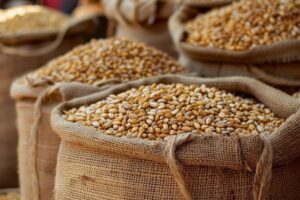
Imported wheat is an important raw material for flour mills and food manufacturers.
Choosing the right wheat is important for flour mills, bakeries, biscuit manufacturers, food processors, and wholesale buyers. The type and quality of wheat you purchase can affect flour performance, production consistency, and the quality of your finished products.
For businesses buying imported wheat in Nigeria, understanding your requirements before placing an order can help you make better purchasing decisions.
1. Understand Your Business Needs
Before buying wheat, identify what you intend to produce. Different businesses have different requirements.
- Flour mills: Need wheat suitable for their flour production specifications.
- Bakeries: Need wheat that can produce flour with the characteristics required for their bread and other baked goods.
- Biscuit manufacturers: Need wheat suitable for the type and texture of biscuits they produce.
- Pasta and noodle manufacturers: Need wheat varieties and specifications appropriate for their production processes.
- Wholesale distributors: Need consistent quality, reliable supply, and suitable purchasing quantities.
Knowing your intended use makes it easier to identify the wheat specifications that matter most to your business.
2. Check Wheat Quality
Quality should be a major consideration when purchasing imported wheat. Before buying in bulk, ask the supplier for available product specifications and relevant quality documentation.
Depending on your intended use, important factors may include moisture content, protein content, test weight, foreign material, and grain condition.
Where appropriate, request a representative sample or independent quality assessment before committing to a large order.
3. Consider Protein Content
Protein content is one factor that influences the properties of flour made from wheat. Different food products require different flour characteristics.
For example, some bread-making applications require flour with stronger dough-forming properties, while biscuits and other products may need different characteristics.
However, protein content alone does not determine wheat suitability. Consider other specifications and consult your production or quality-control team before choosing a product.
4. Compare Prices and Overall Value
Price is important, especially for businesses purchasing large quantities. However, the cheapest option may not always offer the best value.
When comparing suppliers, consider:
- The quoted price and purchasing quantity
- Product quality and specifications
- Transportation and delivery costs
- Payment terms
- Expected delivery time
- Supplier reliability
Ask suppliers to clarify which costs are included in their quotations so you can compare offers fairly.
5. Check Packaging and Storage Conditions
Wheat should be handled and stored appropriately to help maintain its quality. When evaluating a supply offer, ask about packaging, handling, storage, and transportation arrangements.
For bulk purchases, businesses should also ensure that their own storage facilities are clean, dry, and suitable for keeping grain protected from moisture, pests, and contamination.
6. Choose a Supplier You Can Communicate With
Reliable communication is important when buying imported agricultural commodities. A supplier should be able to clarify product specifications, available quantities, prices, payment conditions, and delivery arrangements.
Before confirming an order, make sure you understand the terms of the transaction and have received the necessary product and business documentation.
For recurring purchases, discuss whether the supplier can support your expected volume and purchasing schedule.
7. Consider Your Production Requirements Before Ordering
Avoid choosing wheat based on price or general descriptions alone. Match the available specifications to your production needs.
If possible, have your technical or quality-control team review the specifications and test samples before making a large purchase. This can help your business select a product that is more suitable for its intended application.
Buy Imported Wheat for Your Business
Choosing suitable wheat begins with understanding your production needs, checking quality specifications, comparing quotations, and confirming supply terms.
Renamy Global Resources Ltd is involved in importing agricultural commodities. Businesses interested in purchasing imported wheat can contact the company to enquire about current availability, product specifications, pricing, minimum order quantities, and delivery arrangements.
Conclusion
The right wheat for your business depends on your intended products, quality requirements, production processes, budget, and supply needs. By checking specifications carefully and confirming purchasing terms before placing an order, your business can make a more informed buying decision.
Contact Renamy Global Resources Ltd
Are you looking for imported wheat for your business? Contact Renamy Global Resources Ltd to enquire about current availability, product specifications, pricing, minimum order quantities, and delivery arrangements.
Get in touch to discuss your business requirements and confirm the latest supply details.
Contact Renamy Global Resources Ltd
- Email: [email protected]
- Phone: +234 805 488 5543
- Published in Uncategorized
Where to Buy Wholesale Imported Wheat in Nigeria
Imported wheat is an important raw material for flour mills and food manufacturers.
If you are wondering where to buy wholesale imported wheat in Nigeria, choosing a supplier that can clearly explain product specifications, pricing, available quantities, and delivery terms is an important first step. Flour mills, bakeries, food manufacturers, and wholesale distributors need suitable wheat to support their business operations.
Before placing a bulk order, buyers should understand their requirements and confirm that the available product meets their intended use.
wheat supply for flour mills and food manufacturer
Why Businesses Buy Imported Wheat in Bulk
Imported wheat is an important raw material for flour milling and various food-manufacturing processes. Buying in bulk may suit businesses with regular production schedules and sufficient storage capacity.
Businesses that may purchase wheat in commercial quantities include:
- Flour mills and milling businesses
- Bakeries and commercial baking operations
- Biscuit and snack manufacturers
- Pasta and noodle producers
- Food-processing companies
- Agricultural commodity wholesalers and distributors
The right purchase quantity depends on production demand, available storage, budget, and the supplier’s minimum order requirements.
What to Consider When Buying Wholesale Imported Wheat in Nigeria
Before choosing a supplier, review these important factors.
1. Wheat Quality and Specifications
Ask for the available product specifications and relevant quality documentation. Depending on the intended application, these may include moisture content, protein content, test weight, and information about foreign material or grain condition.
Businesses should have their technical or quality-control teams assess whether the product meets their requirements before committing to a large order.
2. Wholesale Pricing
When comparing wholesale imported wheat prices in Nigeria, ask for a clear quotation. Confirm the quantity covered by the price and whether transportation, handling, or delivery charges are included.
Prices and availability may change with market conditions, exchange rates, logistics, and supply arrangements. Request current information before making a purchasing decision.
3. Available Quantities
Confirm the quantity available and the supplier’s minimum order requirements. Your purchase should fit your production needs, cash flow, and storage capacity.
If you need wheat regularly, discuss your expected purchasing schedule with the supplier.
4. Delivery Arrangements
Before confirming an order, clarify the delivery location, estimated delivery schedule, transportation arrangements, and any additional charges.
Make sure the delivery terms are understood by both parties and that your business can receive and store the wheat appropriately.
5. Supplier Communication and Documentation
A professional purchasing process involves clear communication and written terms. Ask questions about the product, quotation validity, payment conditions, delivery arrangements, and available documentation.
For a substantial purchase, consider appropriate independent quality checks and verify relevant business and transaction documents.
How to Choose a Wheat Supplier for Your Business
When comparing imported wheat suppliers in Nigeria, avoid making your decision based on price alone. Consider product suitability, transparency, communication, delivery terms, and the supplier’s ability to meet your requirements.
Before making payment, confirm the supplier’s details, obtain a written quotation, understand the transaction terms, and clarify what happens if the delivered product does not meet the agreed specifications.
These precautions can help businesses make more informed purchasing decisions.
Who Needs Wholesale Imported Wheat?
Wholesale imported wheat may be relevant to several types of businesses, depending on product availability and specifications.
Flour mills may require wheat suitable for their milling operations. Bakeries may need flour with characteristics appropriate for their recipes. Biscuit, pasta, and other food manufacturers may have their own ingredient specifications.
Wholesale distributors may also be interested in commercial quantities for resale. Each buyer should confirm that the offered product is appropriate for the intended application.
Conclusion
Knowing where to buy wholesale imported wheat in Nigeria starts with identifying your business requirements and comparing suitable supply options. Check product specifications, request current prices, confirm quantities, review delivery arrangements, and understand the transaction terms before placing an order.
Careful evaluation can help flour mills, bakeries, food manufacturers, and wholesale buyers make purchasing decisions that suit their operations.
Contact Renamy Global Resources Ltd
Are you looking for wholesale imported wheat for your business? Renamy Global Resources Ltd is an agricultural commodity importing company. Contact the company to enquire about current wheat availability, product specifications, pricing, minimum order quantities, and delivery arrangements.
Email: [email protected]
Phone: +234 805 488 5543
Contact Renamy Global Resources Ltd to discuss your requirements and confirm the latest supply details.
- Published in Uncategorized
Wheat Supply for Flour Mills and Food Manufacturers
Imported wheat is an important raw material for flour mills and food manufacturers.
A reliable wheat supply is important for flour mills, bakeries, biscuit manufacturers, pasta producers, and other food-processing businesses. The quality and consistency of the wheat purchased can affect production efficiency, flour performance, and the quality of finished products.
For businesses in Nigeria that require imported wheat, choosing a suitable supplier involves more than comparing prices. Buyers should consider product specifications, available quantities, quality documentation, delivery arrangements, and purchasing terms.
1. Why Wheat Supply Matters to Food Businesses
Wheat is an important raw material used in many food products. Businesses that depend on wheat need to plan their purchases carefully to support their production schedules.
Flour mills require suitable grain for their milling operations, while bakeries and food manufacturers need flour with characteristics that meet their production requirements.
A well-planned supply arrangement can help businesses manage their stock, reduce unexpected interruptions, and meet customer demand.
2. Wheat Supply for Flour Mills
Flour mills need wheat that meets the specifications of their milling processes and intended flour products.
Before purchasing, flour mill operators should consider:
- Protein content and other relevant quality specifications
- Moisture content and grain condition
- Expected purchase quantity
- Consistency between deliveries
- Storage capacity and handling arrangements
- Price and delivery terms
Buyers should request available product specifications and have their technical teams confirm that the wheat is suitable for their milling requirements.
3. Wheat Supply for Bakeries
Bakeries depend on flour that performs consistently in their recipes and production processes. The characteristics of the flour used can influence dough handling, texture, and the quality of baked products.
Businesses purchasing wheat for milling into bakery flour should identify the requirements of their bread, pastry, and other baked products.
Discussing these requirements with the supplier and checking the relevant product specifications can help buyers make more informed purchasing decisions.
4. Wheat for Biscuit, Pasta, and Other Food Manufacturing
Wheat is also used in biscuit production, pasta and noodle manufacturing, and other food-processing applications.
However, different products require different ingredient characteristics. Food manufacturers should identify the specifications suitable for their processes rather than assuming that every wheat product will perform the same way.
Where necessary, buyers should consult their production or quality-control teams before confirming a bulk purchase.
5. What to Check Before Buying Wheat in Bulk
Before placing a large order, businesses should review the following factors:
Product quality: Request the available specifications and relevant quality documentation.
Quantity: Confirm the minimum order quantity and the amount available for purchase.
Pricing: Request a clear quotation and check what costs are included.
Delivery: Confirm the delivery location, estimated schedule, transportation arrangements, and applicable charges.
Payment terms: Understand the payment conditions before making a commitment.
Documentation: Ensure that the supplier provides appropriate transaction and product documentation.
Storage: Confirm that your business has suitable facilities to receive and store the wheat properly.
Taking these steps can help reduce misunderstandings and improve purchasing decisions.
Businesses searching for wholesale imported wheat in Nigeria should compare product specifications, available quantities, prices, and delivery terms before placing an order. Confirm current availability with the supplier to ensure the offer meets your business requirements.
6. How to Evaluate a Wheat Supplier
Choosing a supplier requires careful consideration of communication, transparency, and the ability to meet your business requirements.
When assessing a supplier, ask clear questions about product specifications, current availability, order quantities, pricing, and delivery arrangements.
Request relevant documentation and make sure you understand the terms of the proposed transaction. For significant orders, consider independent quality checks where appropriate.
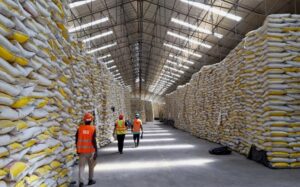
Proper storage and handling help maintain wheat quality before delivery to buyers.
Businesses planning recurring purchases should also discuss expected demand and whether the supplier can accommodate their requirements.
When comparing imported wheat suppliers in Nigeria, buyers should check product quality documentation, pricing, order quantities, payment conditions, and delivery arrangements. Clear communication helps businesses understand the terms before committing to a purchase.
7. Planning Your Wheat Purchases
Effective purchasing begins with understanding how much wheat your business needs and when it will be required.
Review your production schedule, current stock levels, storage capacity, and expected customer demand before placing an order.
Avoid committing to quantities that exceed your storage or operational capacity. It is also helpful to confirm current prices and availability before making purchasing decisions because market conditions and supply arrangements can change.
Conclusion
A suitable wheat supply helps flour mills and food manufacturers plan production and maintain consistent product quality. Buyers should compare specifications, prices, quantities, supplier terms, and delivery arrangements before purchasing imported wheat in Nigeria.
By understanding their requirements and asking the right questions, businesses can make better-informed purchasing decisions and identify supply options that suit their operations.
Contact Renamy Global Resources Ltd
Are you looking for imported wheat for your flour mill or food-manufacturing business?
Renamy Global Resources Ltd is an agricultural commodity importing company. Contact the company to enquire about current wheat availability, product specifications, pricing, minimum order quantities, and delivery arrangements.
- Email: [email protected]
- Phone: +234 805 488 5543
Get in touch to discuss your business requirements and confirm the latest supply details.
- Published in Uncategorized