
Exporting raw cashew nuts requires careful attention to product quality, handling, storage and documentation. Even when buyers find a suitable supplier, problems such as excessive moisture, mould, immature nuts, pest damage and inconsistent grading can affect the value and acceptance of a shipment.
For Nigerian exporters and international cashew processors, preventing these problems starts with proper sourcing, clear specifications and inspection before dispatch. Renamy Global Resources Ltd helps buyers coordinate raw cashew nut sourcing and export requirements to reduce avoidable shipment risks.
1. Avoid Excessive Moisture
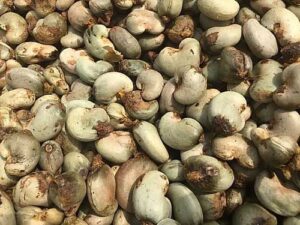
Contact Renamy Global Resources Ltd today to help you avoid raw cashew nut export problems in Nigeria
Excessive moisture is a major concern when preparing raw cashew nuts for export. Nuts that retain too much moisture may deteriorate during storage and transportation.
Exporters should ensure adequate drying before packaging and loading. Buyers should also specify their acceptable moisture limits and request appropriate checks before shipment.
Keep dried nuts protected from rain, damp floors and humid storage conditions. Proper moisture management helps preserve product condition throughout the export process.
2. Prevent Mould Development
Mould can develop when raw cashew nuts remain damp or encounter unsuitable storage conditions. A mould-affected consignment may become unacceptable to processors and importers.
To reduce this risk, ensure that nuts are properly dried and stored in clean, dry and well-ventilated facilities. Inspect the product before packing and reject visibly mouldy or deteriorated nuts.
Avoid mixing questionable stock with acceptable produce, as this can compromise the quality of the entire consignment.
3. Check for Immature and Poorly Developed Nuts
Immature or poorly developed nuts may reduce processing efficiency and affect the buyer’s expected kernel recovery.
Careful harvesting, sorting and inspection help identify undersized, shrivelled or otherwise unsuitable nuts. Buyers should establish acceptable limits for immature and defective nuts before confirming an order.
Representative sampling also helps determine whether the consignment meets the agreed quality requirements.
4. Ensure Proper Drying and Handling
Poor drying practices can leave raw cashew nuts vulnerable to mould and deterioration. Inadequate handling can also introduce dirt, physical damage and contamination.
After separating nuts from cashew apples, suppliers should follow appropriate drying practices and protect the produce from rain and contaminated surfaces.
Buyers should confirm the supplier’s handling procedures and agree on the moisture requirements before procurement. Proper preparation helps maintain quality before packaging.
5. Remove Foreign Matter
Stones, soil, sticks, leaves and other unwanted materials can affect product quality and create additional work for processing facilities.
Cleaning and sorting should take place before packing. Buyers should specify acceptable foreign-matter limits and ensure that inspection procedures cover the entire consignment through representative sampling.
Clean handling and proper preparation help reduce contamination risks.
6. Maintain Consistent Grading
Inconsistent nut sizes, quality and physical condition can create problems for buyers who require predictable processing performance.
Nut count and kernel outturn are particularly important considerations. Nut count indicates the number of nuts per kilogram, while kernel outturn estimates the recoverable kernel quantity after processing.
Buyers should communicate their preferred nut count, expected outturn and defect tolerances before purchase. These parameters should be assessed using agreed sampling and testing procedures.
7. Prevent Pest Damage
Insect infestation and pest damage can reduce the quality and commercial value of raw cashew nuts. Poor storage and inadequate inspection may allow pest-related problems to go unnoticed until shipment or arrival.
Use clean storage facilities, inspect stock regularly and protect bags from pest exposure. Any signs of infestation or damaged nuts should be investigated before packing.
Where required, buyers and exporters should confirm applicable phytosanitary and other regulatory requirements.
8. Use Suitable Storage and Packaging
Poor storage can expose raw cashew nuts to moisture, pests and contamination. Unsuitable packaging may also allow physical damage or compromise the condition of the goods during transportation.
Use appropriate export packaging, such as suitable jute bags or other agreed materials. Keep packaged nuts in dry, clean and ventilated warehouses, away from leaking roofs, damp floors and chemicals.
Before loading, inspect bags for damage and confirm that packaging quantities and labels match the order.
9. Prevent Export Documentation Errors
Incorrect or incomplete documents can delay customs clearance and shipping arrangements. Errors in product descriptions, quantities, origin details and package information may create unnecessary complications.
Before dispatch, verify the commercial invoice, packing list, certificate of origin and other applicable export or regulatory documents. Depending on the destination, phytosanitary certification and additional import requirements may also apply.
Ensure that all documents contain consistent information and meet the requirements of the relevant authorities.
How Renamy Helps Reduce Raw Cashew Nut Export Risks
Renamy Global Resources Ltd helps international buyers coordinate Nigerian raw cashew nut sourcing, communicate quality specifications and discuss inspection, packaging and shipment arrangements.
We encourage buyers to establish clear requirements for moisture, nut count, kernel outturn, defective nuts, foreign matter and packaging before confirming an order.
Product origin, availability, supply capacity, quality parameters and delivery schedules are verified or confirmed individually, subject to the transaction.
Trade Specifications

Contact Renamy Global Resources Ltd today to help you avoid raw cashew nut export problems in Nigeria
Product: Raw Cashew Nuts (RCN)
Product Type: In-shell cashew nuts
Origin: Nigeria, subject to verification of supply origin
Quality: As per agreed buyer specification
Nut Count: As specified by buyer
Kernel Outturn: Subject to sampling, assessment and agreed specification
Moisture: As per buyer specification and applicable requirements
Defective Nuts: Within agreed buyer limits
Foreign Matter: As per agreed specification
Mould and Pest Damage: Subject to agreed inspection and acceptance criteria
Packaging: Suitable jute bags or other agreed export packaging
Minimum Order Quantity: Negotiable
Supply Capacity: Subject to availability and confirmation
Port of Loading: To be confirmed based on shipping arrangements
Delivery Terms: FOB, CFR or CIF, where applicable and agreed
Payment Terms: Negotiable
Documentation: Commercial invoice, packing list, certificate of origin and other applicable export or regulatory documents
Source Nigerian Raw Cashew Nuts with Renamy
Avoiding export problems starts with careful sourcing, proper preparation and clear communication between buyers and suppliers.
Renamy Global Resources Ltd welcomes enquiries from cashew processors, importers, wholesalers and international commodity buyers seeking Nigerian raw cashew nuts.
Share your required quantity, nut count, kernel outturn, moisture limits, quality specifications and destination to discuss a suitable export arrangement.
Email: [email protected]
WhatsApp: +2348054885543