
Finding reliable international wheat suppliers is an important step for businesses that depend on wheat for commercial production, distribution, and food manufacturing. Whether you operate a flour mill, commercial bakery, food-processing company, wholesale distribution business, or agricultural trading company, choosing the right supplier can have a major impact on your supply chain.

Inspecting wheat quality helps buyers confirm that grain meets agreed commercial specifications.
For businesses in Nigeria and across West Africa, international wheat sourcing requires careful attention to product specifications, supplier reliability, documentation, shipping arrangements, pricing, and delivery.
Renamy Global Resources Ltd has experience importing wheat and understands the importance of dependable relationships in international agricultural commodity trade.
Why Choosing the Right Wheat Supplier Matters
A wheat supplier does more than provide a product. The supplier must be able to deliver the agreed quantity, meet the required specifications, provide appropriate documentation, and work within the agreed commercial and delivery terms.
An unreliable supplier can create problems such as:
- Delayed shipments
- Inconsistent product quality
- Documentation problems
- Unexpected costs
- Supply interruptions
- Difficult communication
- Disputes over product specifications
For businesses that rely on regular wheat supplies, these problems can affect production and customer commitments.
This is why supplier selection should be treated as an important part of procurement rather than simply choosing the lowest quotation.
1. Verify the Supplier’s Business Information
Before entering into a major international transaction, buyers should conduct appropriate due diligence on the supplier.
Check available business information, contact details, trading history, export experience, and other information that can help establish that the company is legitimate and capable of conducting the proposed transaction.
Where possible, important claims should be independently verified.
A professional supplier should be willing to provide reasonable information about its business and the proposed supply arrangement.
2. Confirm the Type and Specification of Wheat
Not every type of wheat is suitable for every application.
Before requesting a quotation, determine the specifications your business requires. These may include:
- Wheat variety
- Protein content
- Moisture content
- Test weight
- Falling number
- Gluten characteristics
- Foreign material limits
- Grain condition
- Quantity required
The specifications should reflect the intended use of the wheat.
For example, a flour mill supplying bread manufacturers may have different requirements from a business purchasing durum wheat for pasta and semolina production.
3. Request Product Documentation
A reliable supplier should be able to provide appropriate documentation relating to the proposed shipment.
Depending on the transaction, this may include product specifications, certificates of analysis, inspection documentation, certificates of origin, shipping documents, and other relevant trade documentation.
Buyers should review the documents carefully and confirm that they correspond with the actual product and agreed specifications.
Documentation requirements can vary according to the commodity, origin, destination, and applicable regulations.
4. Compare Supplier Quotations Carefully
Price is an important consideration, but it should not be the only factor.
Two suppliers may quote different prices because their offers are based on different delivery terms, quantities, freight arrangements, or specifications.
When comparing international wheat suppliers, consider:
- Product price
- Quantity
- Wheat specification
- Country of origin
- Shipping terms
- Freight
- Insurance
- Port charges
- Inspection costs
- Delivery arrangements
- Payment terms
Comparing quotations on an equivalent basis provides a clearer picture of the actual commercial value of each offer.
5. Understand Shipping and Delivery Terms
International wheat purchases involve transportation from the exporting country to the destination market.
Before finalizing a transaction, the buyer should understand who is responsible for arranging shipping, insurance, port handling, customs-related procedures, and inland transportation.
Delivery terms should be clearly understood by both parties.
A supplier may offer a competitive product price, but the final cost can change significantly depending on the shipping and delivery arrangement.
6. Consider Quality Inspection
Quality inspection can provide additional assurance when purchasing wheat in commercial quantities.
Depending on the transaction, buyers may use independent inspection companies or laboratory testing to assess agreed product characteristics.
The buyer and supplier should establish the inspection procedure before shipment, including the relevant specifications and how discrepancies will be handled.
This helps create a clear process if the delivered product does not meet the agreed requirements.
7. Assess the Supplier’s Communication
Good communication is an important part of international trade.
A reliable supplier should communicate clearly about:
- Product availability
- Specifications
- Pricing
- Documentation
- Shipping schedules
- Payment arrangements
- Delivery requirements
Buyers should be cautious when important information is unclear or frequently changes without a reasonable explanation.
Written communication and properly documented commercial agreements can help reduce misunderstandings.
8. Look Beyond the Lowest Price
An unusually low price may appear attractive, but businesses should consider the complete transaction.
The cheapest quotation may not provide the best value if it involves higher freight costs, unsuitable specifications, unreliable delivery, or unexpected charges.
A better approach is to evaluate the supplier based on the combination of:
Quality + Reliability + Price + Documentation + Logistics + Service
This provides a more realistic basis for choosing an international wheat supplier.
9. Build a Long-Term Supplier Relationship
Businesses that purchase wheat regularly can benefit from developing professional relationships with reliable suppliers.
Long-term relationships can improve communication and make it easier to understand each other’s requirements.
However, businesses should continue to carry out appropriate checks and maintain clear commercial agreements for individual transactions.
10. Choose an Experienced Agricultural Trade Partner
For businesses that do not have extensive experience in international commodity sourcing, working with an experienced agricultural trading company can provide useful support.
The right partner should understand the importance of product specifications, supplier coordination, documentation, shipping, and delivery planning.
Renamy Global Resources Ltd
Renamy Global Resources Ltd operates in agricultural import-export and international trade and has experience importing wheat.
Our experience in wheat importing gives us an understanding of the importance of reliable sourcing, product requirements, documentation, and supply-chain coordination.
We work with businesses interested in agricultural commodities and international trade opportunities.
Product availability, specifications, quantities, pricing, and delivery arrangements should be confirmed based on each individual enquiry.
Questions to Ask a Wheat Supplier Before Buying
Before entering into a commercial wheat transaction, buyers can ask:
What type of wheat is available?
Confirm the variety, grade, origin, and intended application.
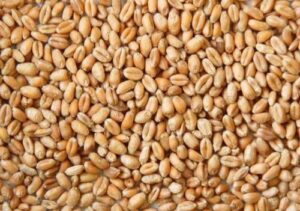
Inspecting wheat quality helps buyers confirm that grain meets agreed commercial specifications.
What are the product specifications?
Ask for the relevant technical specifications and quality documentation.
What quantity can you supply?
Confirm whether the supplier can meet your required volume.
What are the delivery terms?
Understand the responsibilities of the buyer and supplier for shipping, insurance, port handling, and delivery.
What inspection arrangements are available?
Establish how product quality will be verified.
What documentation will accompany the shipment?
Confirm the relevant commercial, shipping, inspection, and regulatory documents.
What is the total cost of delivery?
Consider the purchase price together with applicable freight, insurance, handling, import, transportation, and storage costs.
Conclusion
Finding reliable international wheat suppliers requires more than searching for the lowest price. Commercial buyers should verify suppliers, establish clear product specifications, review documentation, understand delivery terms, and consider the complete cost of receiving the wheat.
A carefully selected supplier can become an important part of a dependable agricultural supply chain.
With experience in wheat importing and agricultural trade, Renamy Global Resources Ltd provides a point of contact for businesses interested in exploring agricultural commodity sourcing and international trade opportunities.
Contact Renamy Global Resources Ltd
Are you looking for imported wheat or agricultural commodity sourcing solutions?
Contact Renamy Global Resources Ltd to discuss your product requirements, quantity, specifications, packaging, and delivery needs.
Email: [email protected]
Phone & WhatsApp: +234 805 488 5543
Renamy Global Resources Ltd — Connecting businesses to agricultural trade opportunities.