
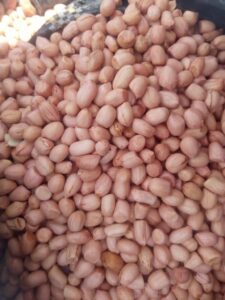
Contact Renamy Global Resources Ltd today if you want to buy groundnuts from Nigeria
International buyers looking to buy groundnuts from Nigeria need to consider more than price and availability. Quality problems, unsuitable packaging and documentation errors can create delays, financial losses and difficulties at the destination.
Groundnuts are particularly sensitive to moisture, mould and aflatoxin contamination. Therefore, clear specifications and appropriate quality checks are important before a commercial shipment leaves Nigeria.
Renamy Global Resources Ltd works with international buyers to coordinate Nigerian groundnut orders around agreed quality and export requirements.
1. Aflatoxin Risk
Aflatoxin is one of the most important food safety concerns when buying groundnuts. It can develop when groundnuts are exposed to unsuitable moisture and storage conditions.
Importers should establish the maximum acceptable aflatoxin level for their destination market before purchasing.
How to avoid it: Agree on applicable requirements and discuss appropriate testing or inspection arrangements before shipment.
2. Excessive Moisture
Excessive moisture can reduce groundnut shelf life and increase the risk of mould and deterioration during storage and transportation.
How to avoid it: Specify the required moisture level before ordering and ensure suitable drying, testing and storage arrangements are considered.
3. Mould and Contamination
Groundnuts exposed to moisture or poor storage conditions may develop mould. Contaminated products can create serious food safety and commercial problems.
How to avoid it: Groundnuts should be properly dried, sorted and stored in suitable conditions. Buyers can also request appropriate quality checks before shipment.
4. Insect Damage
Insect infestation can affect both the appearance and quality of groundnut kernels. It may also indicate poor storage or handling practices.
How to avoid it: Include acceptable limits for insect damage in the product specification and ensure proper inspection and storage before dispatch.
5. Foreign Matter
Stones, plant materials, dirt and other unwanted materials can reduce the commercial quality of groundnuts.
How to avoid it: Require appropriate cleaning and sorting, with clear limits for foreign matter established before the order is confirmed.
6. Poor Sorting
Groundnuts can contain kernels that differ in size, condition and appearance. Poor sorting may result in unsuitable material being included in an otherwise commercial shipment.
How to avoid it: Clearly define the required quality characteristics and sorting standards. Samples can also help buyers assess the expected product before placing larger orders.
7. Inconsistent Grading
Buyers may require specific groundnut sizes or grades for food processing, retail packaging or other applications. A shipment that does not match the agreed grade can affect its commercial value.
How to avoid it: Specify the required variety, product form, size and grade in the purchase agreement. Avoid relying only on general descriptions such as “premium groundnuts.”
8. Damaged Kernels
Broken, shrivelled, discoloured or otherwise damaged kernels can affect product quality and appearance.
How to avoid it: Establish acceptable defect levels before purchase and use appropriate sorting and inspection procedures.
9. Poor Packaging
Groundnuts can be affected by moisture, contamination and physical damage during transportation if packaging is unsuitable.
How to avoid it: Agree on suitable food-grade export packaging, pack sizes and labelling requirements before shipment. Packaging should also meet destination-market requirements.
10. Documentation Errors
Incorrect quantities, weights, product descriptions or consignee details can create customs and clearance problems.
How to avoid it: Review commercial invoices, packing lists, certificates of origin and other applicable export documents carefully before dispatch. Information should remain consistent across the shipment documentation.
How Renamy Helps Reduce Groundnut Export Risks
Renamy Global Resources Ltd understands that international buyers need clear specifications when sourcing agricultural commodities from Nigeria.
We coordinate groundnut sourcing around agreed product requirements, including quality specifications, quantities, packaging and delivery arrangements. Where appropriate, buyers can discuss sampling, inspection and testing requirements before shipment.
Our aim is to help importers, wholesalers, distributors and food manufacturers source Nigerian groundnuts with clearer expectations and better export coordination.
Trade Specifications

Contact Renamy Global Resources Ltd today if you want to buy groundnuts from Nigeria
Product: Groundnuts / Peanuts
Origin: Nigeria, subject to supply verification
Product Form: Shelled or unshelled, as agreed
Variety/Type: As available and specified by buyer
Grade and Size: According to buyer specification
Moisture: As per agreed specification
Aflatoxin: Within applicable buyer and destination-market requirements
Foreign Matter: Within agreed limits
Defects: Within agreed buyer requirements
Packaging: Food-grade export packaging, as agreed
Order Quantity: Negotiable
Supply Capacity: Subject to availability and confirmation
Port of Loading: To be confirmed
Delivery Terms: FOB, CFR or CIF, where applicable and agreed
Payment Terms: Negotiable
Documentation: Commercial invoice, packing list, certificate of origin and other applicable export documents
Buy Nigerian Groundnuts with Confidence
Avoiding groundnut export problems begins with choosing a reliable supplier and establishing clear product requirements before purchase.
If your company wants to source groundnuts from Nigeria in 2026, Renamy Global Resources Ltd welcomes your enquiry. Provide your required product form, quantity, quality specifications and destination so we can discuss your order.
Email: [email protected]
WhatsApp: +2348054885543