
Imported wheat is an important raw material for flour mills, bakeries, food manufacturers, wholesalers, and other businesses across Nigeria. Choosing the right wheat supplier can help businesses maintain product quality, plan production, and manage purchasing costs.
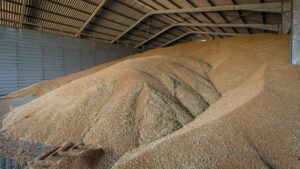
Choosing suitable wheat quality and a reliable supplier is important when purchasing wheat in bulk.
However, before buying imported wheat in bulk, it is important to understand the product you need, the quality specifications that matter, and the questions to ask your supplier.
Whether you are purchasing wheat for commercial milling, food production, or wholesale distribution, this guide explains what to consider before placing an order.
1. Understand the Type of Wheat Your Business Needs
Not all wheat is the same. Different varieties have different characteristics, making some more suitable for particular applications than others.
Before requesting a quotation, identify your intended use.
For example:
- Bread and bakery production: Buyers may need wheat with suitable protein and gluten characteristics for their recipes and production processes.
- Flour milling: Millers should consider the wheat’s milling performance, protein level, moisture content, and other agreed specifications.
- Food manufacturing: The appropriate wheat depends on the products being manufactured and the manufacturer’s technical requirements.
- Wholesale distribution: Wholesalers should understand the needs of their customers and confirm the product grade and packaging available.
Tell your supplier what you intend to use the wheat for. This helps you discuss the most appropriate product rather than choosing based on price alone.
2. Check Wheat Quality Specifications
Quality is one of the most important considerations when buying imported wheat in bulk.
Before confirming an order, ask for the product specifications and establish which quality characteristics are important for your intended use.
These may include:
- Protein content: Important for determining suitability for different flour and food applications.
- Moisture content: Excessive moisture can affect storage stability and grain quality.
- Test weight: A useful measure of grain bulk density.
- Grain condition: Check for excessive broken, damaged, or discoloured kernels.
- Foreign materials: Confirm the acceptable limits for unwanted materials.
- Pest and contamination checks: Establish appropriate inspection and acceptance requirements.
Ask for a specification sheet or relevant quality documentation where available. If the purchase is substantial, consider agreeing on an independent inspection or testing procedure before shipment or acceptance.
The correct specifications depend on the product and its intended application, so confirm them before making a purchasing decision.
3. Choose a Supplier You Can Verify
When buying imported wheat in bulk, supplier reliability matters as much as product quality.
Before placing an order, obtain clear information about the supplier’s business, available products, transaction terms, and delivery arrangements.
Consider the following questions:
- Can the supplier clearly identify the wheat being offered?
- Are product specifications and quantities provided in writing?
- Are prices and payment conditions explained clearly?
- Can the supplier provide relevant supporting documents?
- Are delivery arrangements and responsibilities clearly stated?
- Is there a reliable channel for communicating about your order?
Avoid making a large purchasing commitment based only on an attractive price or an informal promise. Written quotations and clear agreements help both parties understand the transaction.
4. Compare Price and Overall Purchasing Cost
Price is important for businesses purchasing wheat in large quantities. However, the cheapest quotation is not always the best value.
When comparing offers, consider the product grade, quality specifications, order quantity, packaging, delivery location, and any additional charges.
Ask each supplier to explain what the quotation includes. Depending on the transaction, costs may involve transportation, handling, packaging, insurance, or other agreed services.
Compare quotations on a consistent basis. A lower price for a different wheat grade or a quotation that excludes important costs may not offer the best overall value.
Your goal should be to find wheat that meets your business requirements at a commercially suitable price.
5. Confirm Bulk Quantities and Packaging
Before placing an order, confirm the quantity available and the minimum order size.
Bulk wheat may be offered in different quantities and delivery formats depending on the supplier’s stock, sourcing arrangements, and logistics.
Ask about:
- Available order quantities.
- Bulk delivery or bagged packaging options.
- Packaging sizes, where applicable.
- Product availability and expected delivery time.
- Loading, transportation, and offloading arrangements.
- The delivery location and responsibilities of each party.
These details help your business plan storage capacity, transportation, inventory, and production schedules.
Do not assume that every supplier offers every packaging format or quantity. Confirm availability before making your final decision.
6. Understand Delivery and Storage Requirements
Wheat quality must be protected throughout transportation and storage.
Before buying, discuss how the wheat will be delivered and how it should be handled after receipt.
Buyers should consider suitable storage facilities that protect grain from moisture, pests, contamination, and avoidable damage.
For larger orders, coordinate delivery with your warehouse or production team. Confirm that the receiving location can accommodate the quantity and delivery method.
It is also helpful to agree on the process for checking delivered quantities and addressing any quality or quantity discrepancies.
Good planning helps reduce avoidable losses and supports more efficient stock management.
7. Request Relevant Product Documentation
Depending on the product and transaction, useful documents may include a product specification sheet, certificate of analysis, inspection report, commercial invoice, or other applicable records.
Before purchasing, ask which documents are available and which are relevant to your order.
Check that the product description, grade, quantity, and other details match the quotation and purchase agreement.
Documentation can help your team evaluate the product and maintain purchasing records. However, documents should be reviewed alongside the actual contractual requirements and appropriate quality checks.
8. Ask the Right Questions Before Ordering
Before committing to a bulk wheat purchase, make sure you have answers to the questions that matter to your business.
- What type and grade of wheat is available?
- What are the product’s quality specifications?
- What quantity can be supplied?
- What is the quoted price, and what does it include?
- What packaging and delivery options are available?
- What product documentation can be provided?
- What are the payment terms and expected delivery schedule?
- How will quality or quantity disputes be handled?
Getting clear answers in advance helps you compare suppliers fairly and make an informed purchasing decision.
9. Why Consider Renamy Global Resources Ltd for Your Wheat Sourcing Needs?
Renamy Global Resources Ltd is an importing company focused on agricultural commodity trade. For businesses looking to source imported wheat, contacting the company is an opportunity to discuss their purchasing requirements and determine whether the available supply matches their needs.
When making an enquiry, explain your intended application, required wheat specifications, approximate quantity, and delivery location.
You can also ask about current product availability, applicable pricing, packaging, delivery arrangements, and supporting documentation.
Confirm these details directly with Renamy Global Resources Ltd before placing an order, as availability and transaction terms may vary.
A clear discussion helps both the buyer and supplier establish whether the proposed transaction is suitable.
Frequently Asked Questions
What should I check before buying imported wheat in bulk?
Start with the wheat type, intended use, quality specifications, price, available quantity, supplier reliability, supporting documents, and delivery arrangements.
Which wheat is suitable for flour production?
The appropriate wheat depends on the type of flour and the products being manufactured. Flour millers should discuss their required protein characteristics, milling performance, and other specifications with their supplier.
Should I choose a wheat supplier based on price alone?
No. Compare price alongside quality, product suitability, delivery terms, documentation, and the supplier’s ability to meet your requirements.
What documents should I request when buying wheat?
Depending on the transaction, you may request a product specification sheet, certificate of analysis, inspection report, invoice, and other relevant commercial documents.
How can I enquire about imported wheat from Renamy Global Resources Ltd?
Contact the company with your required wheat type, approximate quantity, intended use, and delivery location. Ask about current availability, pricing, quality specifications, and delivery terms.
Conclusion
Buying imported wheat in bulk requires more than finding a competitive price. Businesses should understand their product requirements, assess quality specifications, verify supplier information, compare quotations, and agree on clear delivery and purchasing terms.
Taking these steps can help flour mills, food manufacturers, wholesalers, and other commercial buyers make better-informed sourcing decisions.
Looking for imported wheat for your business?
Contact Renamy Global Resources Ltd to discuss your wheat sourcing requirements and enquire about current product availability, specifications, pricing, and delivery options.
Email: [email protected]
Phone: +234 805 488 5543