
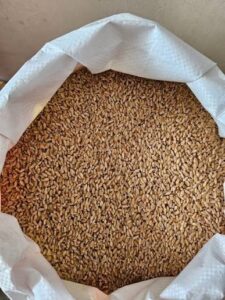
Imported wheat is used in flour milling, bakeries, biscuit production, pasta manufacturing, and other food industries.
Imported wheat is an important raw material for many businesses in the food industry. From flour milling and bread production to biscuits, noodles, and other processed foods, wheat supports a wide range of commercial applications.
For businesses in Nigeria, understanding the uses of imported wheat can help with product selection, production planning, and purchasing decisions.
Whether you operate a flour mill, bakery, food-processing company, or wholesale distribution business, choosing the right wheat for your intended application is essential.
In this guide, we explore the main commercial uses of imported wheat and the factors buyers should consider when sourcing wheat for their businesses.
1. Imported Wheat for Flour Mills
Flour milling is one of the major commercial applications of wheat. Flour mills process wheat grains into flour for bakeries, food manufacturers, retailers, and other customers.
However, different wheat varieties have different characteristics. Flour millers must consider the intended flour type, protein content, moisture level, milling performance, and other relevant specifications.
Before purchasing imported wheat, mill operators should identify their production requirements and discuss suitable grain specifications with their supplier.
A reliable supply arrangement can also help mills plan their inventory and manage production schedules.
2. Imported Wheat for Bakeries
Bakeries use wheat flour to produce a variety of baked goods, including bread, rolls, pastries, and cakes.
The wheat used to produce the flour can influence important characteristics such as dough strength, elasticity, and water absorption. The final result also depends on the milling process, recipe, and production method.
For example, bread production often requires flour with suitable protein and gluten characteristics to support the desired dough structure.
Bakeries buying wheat directly for milling should confirm the appropriate specifications with their miller or supplier. Bakeries purchasing finished flour should select flour that suits their recipes and production needs.
3. Imported Wheat for Biscuit and Cookie Production
Wheat flour is commonly used in the production of biscuits and cookies.
Different products require different flour characteristics. Some biscuit and cookie recipes work best with flour that produces a relatively tender texture rather than the stronger dough structure needed for certain bread products.
Food manufacturers should therefore consider the intended product, recipe requirements, and technical specifications when choosing wheat for milling.
If your business manufactures biscuits or cookies, discuss the flour characteristics you require with your flour supplier before selecting a wheat product.
4. Imported Wheat for Noodles and Pasta
Wheat is also used to manufacture noodles and pasta.
The appropriate wheat depends on the product being made and the manufacturer’s production process. Durum wheat is particularly associated with traditional semolina-based pasta, while other wheat varieties are used for different noodle and pasta products.
Manufacturers should confirm the required wheat type, protein characteristics, processing suitability, and quality specifications before purchasing.
Selecting wheat based on the intended product helps businesses avoid buying grain that does not meet their production requirements.
5. Imported Wheat for Food Processing
Beyond bread, biscuits, noodles, and pasta, wheat flour is used in many processed foods.
Depending on the product, wheat-based ingredients may be used in crackers, snack foods, coatings, mixes, and other manufactured food products.
The required wheat or flour characteristics vary according to the formulation and production method.
Food manufacturers should work with their technical and purchasing teams to define their specifications before requesting quotations from suppliers.
6. Imported Wheat for Wholesale and Distribution Businesses
Wholesale distributors supply agricultural commodities and food ingredients to retailers, processors, bakeries, and other commercial buyers.
Businesses purchasing imported wheat for resale should understand their customers’ requirements before placing bulk orders.
Important considerations include:
- The wheat type and grade required by customers.
- Available order quantities.
- Product quality specifications.
- Packaging and handling arrangements.
- Storage capacity and stock management.
- Supplier reliability and delivery schedules.
- Purchase price and expected commercial margins.
Understanding local customer demand can help wholesalers select appropriate products and plan their purchasing activities more effectively.
7. How to Choose the Right Wheat for Your Business
The most suitable wheat depends on what you intend to manufacture or supply.
Before placing an order, consider these important questions:
What product will you manufacture? Identify whether the wheat is intended for bread flour, general-purpose flour, pasta, noodles, biscuits, or another application.
Which specifications do you require? Confirm the relevant protein content, moisture level, grain condition, and other technical requirements.
What quantity do you need? Estimate your production requirements and storage capacity before requesting a quotation.
What documentation is available? Ask for the relevant product specification sheet and supporting quality records.
What are the delivery arrangements? Confirm availability, packaging, delivery location, timing, and any applicable additional costs.
Answering these questions can help you communicate your needs clearly and compare suppliers on a fair basis.
8. Why Wheat Quality Matters to Commercial Buyers
Wheat quality can affect milling performance, production consistency, storage, and the suitability of the final product.
Buyers should not assume that every wheat variety will perform equally in every application. Grain quality and processing requirements need to be considered together.
Where appropriate, request a specification sheet, certificate of analysis, or other relevant quality documentation. For large purchases, buyers may also consider agreed sampling and independent inspection procedures.
The aim is to purchase wheat that meets your business’s requirements rather than choosing a product based on price alone.
9. Sourcing Imported Wheat Through Renamy Global Resources Ltd
Renamy Global Resources Ltd is an importing company focused on agricultural commodity trade. Businesses seeking imported wheat can contact the company to discuss their sourcing requirements.
When making an enquiry, explain your intended application, required wheat specifications, approximate quantity, and delivery location.
You can ask about current product availability, quality information, pricing, packaging, and delivery arrangements. Confirm the details directly with Renamy before placing an order, as availability and terms may vary.
Providing clear purchasing information can help the company assess your enquiry and discuss whether the available product meets your needs.
Frequently Asked Questions
What are the main uses of imported wheat?
Imported wheat is used in flour milling and, through wheat flour and other wheat-based ingredients, in bread, biscuits, noodles, pasta, snacks, and many other food products.
Which wheat is suitable for bread production?
The appropriate wheat depends on the required flour characteristics and production process. Bread manufacturers and millers should specify their protein and dough-performance requirements before choosing a wheat variety.
Is durum wheat used for pasta?
Yes. Durum wheat is commonly used to produce semolina for traditional pasta, although the specific raw material depends on the product and manufacturing process.
What should businesses check before buying imported wheat?
Buyers should confirm the wheat type, quality specifications, available quantity, price, documentation, supplier reliability, and delivery arrangements.
How can I enquire about imported wheat from Renamy Global Resources Ltd?
Contact Renamy Global Resources Ltd with your required wheat type, intended use, approximate quantity, and delivery location. Ask about current availability, specifications, pricing, and delivery terms.
Conclusion
Imported wheat supports a wide range of commercial applications, including flour milling, bakery production, biscuit manufacturing, pasta and noodle production, and wholesale distribution.
The right choice depends on the intended application, technical specifications, production requirements, and purchasing arrangements.
If your business needs imported wheat, take time to define your requirements and verify the product details before placing an order.
Looking for imported wheat for your business?
Contact Renamy Global Resources Ltd to discuss your wheat sourcing requirements and enquire about current product availability, specifications, pricing, and delivery options.
Email: [email protected]
Phone: +234 805 488 5543