
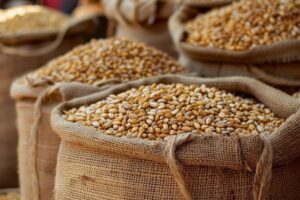
Imported wheat is an important raw material for flour mills and food manufacturers.
Choosing the right wheat is important for flour mills, bakeries, biscuit manufacturers, food processors, and wholesale buyers. The type and quality of wheat you purchase can affect flour performance, production consistency, and the quality of your finished products.
For businesses buying imported wheat in Nigeria, understanding your requirements before placing an order can help you make better purchasing decisions.
1. Understand Your Business Needs
Before buying wheat, identify what you intend to produce. Different businesses have different requirements.
- Flour mills: Need wheat suitable for their flour production specifications.
- Bakeries: Need wheat that can produce flour with the characteristics required for their bread and other baked goods.
- Biscuit manufacturers: Need wheat suitable for the type and texture of biscuits they produce.
- Pasta and noodle manufacturers: Need wheat varieties and specifications appropriate for their production processes.
- Wholesale distributors: Need consistent quality, reliable supply, and suitable purchasing quantities.
Knowing your intended use makes it easier to identify the wheat specifications that matter most to your business.
2. Check Wheat Quality
Quality should be a major consideration when purchasing imported wheat. Before buying in bulk, ask the supplier for available product specifications and relevant quality documentation.
Depending on your intended use, important factors may include moisture content, protein content, test weight, foreign material, and grain condition.
Where appropriate, request a representative sample or independent quality assessment before committing to a large order.
3. Consider Protein Content
Protein content is one factor that influences the properties of flour made from wheat. Different food products require different flour characteristics.
For example, some bread-making applications require flour with stronger dough-forming properties, while biscuits and other products may need different characteristics.
However, protein content alone does not determine wheat suitability. Consider other specifications and consult your production or quality-control team before choosing a product.
4. Compare Prices and Overall Value
Price is important, especially for businesses purchasing large quantities. However, the cheapest option may not always offer the best value.
When comparing suppliers, consider:
- The quoted price and purchasing quantity
- Product quality and specifications
- Transportation and delivery costs
- Payment terms
- Expected delivery time
- Supplier reliability
Ask suppliers to clarify which costs are included in their quotations so you can compare offers fairly.
5. Check Packaging and Storage Conditions
Wheat should be handled and stored appropriately to help maintain its quality. When evaluating a supply offer, ask about packaging, handling, storage, and transportation arrangements.
For bulk purchases, businesses should also ensure that their own storage facilities are clean, dry, and suitable for keeping grain protected from moisture, pests, and contamination.
6. Choose a Supplier You Can Communicate With
Reliable communication is important when buying imported agricultural commodities. A supplier should be able to clarify product specifications, available quantities, prices, payment conditions, and delivery arrangements.
Before confirming an order, make sure you understand the terms of the transaction and have received the necessary product and business documentation.
For recurring purchases, discuss whether the supplier can support your expected volume and purchasing schedule.
7. Consider Your Production Requirements Before Ordering
Avoid choosing wheat based on price or general descriptions alone. Match the available specifications to your production needs.
If possible, have your technical or quality-control team review the specifications and test samples before making a large purchase. This can help your business select a product that is more suitable for its intended application.
Buy Imported Wheat for Your Business
Choosing suitable wheat begins with understanding your production needs, checking quality specifications, comparing quotations, and confirming supply terms.
Renamy Global Resources Ltd is involved in importing agricultural commodities. Businesses interested in purchasing imported wheat can contact the company to enquire about current availability, product specifications, pricing, minimum order quantities, and delivery arrangements.
Conclusion
The right wheat for your business depends on your intended products, quality requirements, production processes, budget, and supply needs. By checking specifications carefully and confirming purchasing terms before placing an order, your business can make a more informed buying decision.
Contact Renamy Global Resources Ltd
Are you looking for imported wheat for your business? Contact Renamy Global Resources Ltd to enquire about current availability, product specifications, pricing, minimum order quantities, and delivery arrangements.
Get in touch to discuss your business requirements and confirm the latest supply details.
Contact Renamy Global Resources Ltd
- Email: [email protected]
- Phone: +234 805 488 5543