
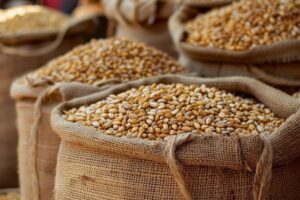
Imported wheat is an important raw material for flour mills and food manufacturers.
A reliable wheat supply is important for flour mills, bakeries, biscuit manufacturers, pasta producers, and other food-processing businesses. The quality and consistency of the wheat purchased can affect production efficiency, flour performance, and the quality of finished products.
For businesses in Nigeria that require imported wheat, choosing a suitable supplier involves more than comparing prices. Buyers should consider product specifications, available quantities, quality documentation, delivery arrangements, and purchasing terms.
1. Why Wheat Supply Matters to Food Businesses
Wheat is an important raw material used in many food products. Businesses that depend on wheat need to plan their purchases carefully to support their production schedules.
Flour mills require suitable grain for their milling operations, while bakeries and food manufacturers need flour with characteristics that meet their production requirements.
A well-planned supply arrangement can help businesses manage their stock, reduce unexpected interruptions, and meet customer demand.
2. Wheat Supply for Flour Mills
Flour mills need wheat that meets the specifications of their milling processes and intended flour products.
Before purchasing, flour mill operators should consider:
- Protein content and other relevant quality specifications
- Moisture content and grain condition
- Expected purchase quantity
- Consistency between deliveries
- Storage capacity and handling arrangements
- Price and delivery terms
Buyers should request available product specifications and have their technical teams confirm that the wheat is suitable for their milling requirements.
3. Wheat Supply for Bakeries
Bakeries depend on flour that performs consistently in their recipes and production processes. The characteristics of the flour used can influence dough handling, texture, and the quality of baked products.
Businesses purchasing wheat for milling into bakery flour should identify the requirements of their bread, pastry, and other baked products.
Discussing these requirements with the supplier and checking the relevant product specifications can help buyers make more informed purchasing decisions.
4. Wheat for Biscuit, Pasta, and Other Food Manufacturing
Wheat is also used in biscuit production, pasta and noodle manufacturing, and other food-processing applications.
However, different products require different ingredient characteristics. Food manufacturers should identify the specifications suitable for their processes rather than assuming that every wheat product will perform the same way.
Where necessary, buyers should consult their production or quality-control teams before confirming a bulk purchase.
5. What to Check Before Buying Wheat in Bulk
Before placing a large order, businesses should review the following factors:
Product quality: Request the available specifications and relevant quality documentation.
Quantity: Confirm the minimum order quantity and the amount available for purchase.
Pricing: Request a clear quotation and check what costs are included.
Delivery: Confirm the delivery location, estimated schedule, transportation arrangements, and applicable charges.
Payment terms: Understand the payment conditions before making a commitment.
Documentation: Ensure that the supplier provides appropriate transaction and product documentation.
Storage: Confirm that your business has suitable facilities to receive and store the wheat properly.
Taking these steps can help reduce misunderstandings and improve purchasing decisions.
Businesses searching for wholesale imported wheat in Nigeria should compare product specifications, available quantities, prices, and delivery terms before placing an order. Confirm current availability with the supplier to ensure the offer meets your business requirements.
6. How to Evaluate a Wheat Supplier
Choosing a supplier requires careful consideration of communication, transparency, and the ability to meet your business requirements.
When assessing a supplier, ask clear questions about product specifications, current availability, order quantities, pricing, and delivery arrangements.
Request relevant documentation and make sure you understand the terms of the proposed transaction. For significant orders, consider independent quality checks where appropriate.
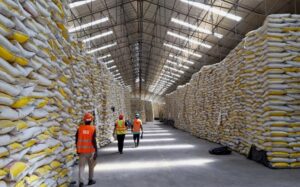
Proper storage and handling help maintain wheat quality before delivery to buyers.
Businesses planning recurring purchases should also discuss expected demand and whether the supplier can accommodate their requirements.
When comparing imported wheat suppliers in Nigeria, buyers should check product quality documentation, pricing, order quantities, payment conditions, and delivery arrangements. Clear communication helps businesses understand the terms before committing to a purchase.
7. Planning Your Wheat Purchases
Effective purchasing begins with understanding how much wheat your business needs and when it will be required.
Review your production schedule, current stock levels, storage capacity, and expected customer demand before placing an order.
Avoid committing to quantities that exceed your storage or operational capacity. It is also helpful to confirm current prices and availability before making purchasing decisions because market conditions and supply arrangements can change.
Conclusion
A suitable wheat supply helps flour mills and food manufacturers plan production and maintain consistent product quality. Buyers should compare specifications, prices, quantities, supplier terms, and delivery arrangements before purchasing imported wheat in Nigeria.
By understanding their requirements and asking the right questions, businesses can make better-informed purchasing decisions and identify supply options that suit their operations.
Contact Renamy Global Resources Ltd
Are you looking for imported wheat for your flour mill or food-manufacturing business?
Renamy Global Resources Ltd is an agricultural commodity importing company. Contact the company to enquire about current wheat availability, product specifications, pricing, minimum order quantities, and delivery arrangements.
- Email: [email protected]
- Phone: +234 805 488 5543
Get in touch to discuss your business requirements and confirm the latest supply details.
[…] wheat supply for flour mills and food manufacturer […]