
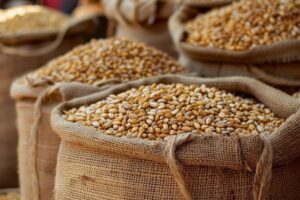
Imported wheat is an important raw material for flour mills and food manufacturers.
If you are wondering where to buy wholesale imported wheat in Nigeria, choosing a supplier that can clearly explain product specifications, pricing, available quantities, and delivery terms is an important first step. Flour mills, bakeries, food manufacturers, and wholesale distributors need suitable wheat to support their business operations.
Before placing a bulk order, buyers should understand their requirements and confirm that the available product meets their intended use.
wheat supply for flour mills and food manufacturer
Why Businesses Buy Imported Wheat in Bulk
Imported wheat is an important raw material for flour milling and various food-manufacturing processes. Buying in bulk may suit businesses with regular production schedules and sufficient storage capacity.
Businesses that may purchase wheat in commercial quantities include:
- Flour mills and milling businesses
- Bakeries and commercial baking operations
- Biscuit and snack manufacturers
- Pasta and noodle producers
- Food-processing companies
- Agricultural commodity wholesalers and distributors
The right purchase quantity depends on production demand, available storage, budget, and the supplier’s minimum order requirements.
What to Consider When Buying Wholesale Imported Wheat in Nigeria
Before choosing a supplier, review these important factors.
1. Wheat Quality and Specifications
Ask for the available product specifications and relevant quality documentation. Depending on the intended application, these may include moisture content, protein content, test weight, and information about foreign material or grain condition.
Businesses should have their technical or quality-control teams assess whether the product meets their requirements before committing to a large order.
2. Wholesale Pricing
When comparing wholesale imported wheat prices in Nigeria, ask for a clear quotation. Confirm the quantity covered by the price and whether transportation, handling, or delivery charges are included.
Prices and availability may change with market conditions, exchange rates, logistics, and supply arrangements. Request current information before making a purchasing decision.
3. Available Quantities
Confirm the quantity available and the supplier’s minimum order requirements. Your purchase should fit your production needs, cash flow, and storage capacity.
If you need wheat regularly, discuss your expected purchasing schedule with the supplier.
4. Delivery Arrangements
Before confirming an order, clarify the delivery location, estimated delivery schedule, transportation arrangements, and any additional charges.
Make sure the delivery terms are understood by both parties and that your business can receive and store the wheat appropriately.
5. Supplier Communication and Documentation
A professional purchasing process involves clear communication and written terms. Ask questions about the product, quotation validity, payment conditions, delivery arrangements, and available documentation.
For a substantial purchase, consider appropriate independent quality checks and verify relevant business and transaction documents.
How to Choose a Wheat Supplier for Your Business
When comparing imported wheat suppliers in Nigeria, avoid making your decision based on price alone. Consider product suitability, transparency, communication, delivery terms, and the supplier’s ability to meet your requirements.
Before making payment, confirm the supplier’s details, obtain a written quotation, understand the transaction terms, and clarify what happens if the delivered product does not meet the agreed specifications.
These precautions can help businesses make more informed purchasing decisions.
Who Needs Wholesale Imported Wheat?
Wholesale imported wheat may be relevant to several types of businesses, depending on product availability and specifications.
Flour mills may require wheat suitable for their milling operations. Bakeries may need flour with characteristics appropriate for their recipes. Biscuit, pasta, and other food manufacturers may have their own ingredient specifications.
Wholesale distributors may also be interested in commercial quantities for resale. Each buyer should confirm that the offered product is appropriate for the intended application.
Conclusion
Knowing where to buy wholesale imported wheat in Nigeria starts with identifying your business requirements and comparing suitable supply options. Check product specifications, request current prices, confirm quantities, review delivery arrangements, and understand the transaction terms before placing an order.
Careful evaluation can help flour mills, bakeries, food manufacturers, and wholesale buyers make purchasing decisions that suit their operations.
Contact Renamy Global Resources Ltd
Are you looking for wholesale imported wheat for your business? Renamy Global Resources Ltd is an agricultural commodity importing company. Contact the company to enquire about current wheat availability, product specifications, pricing, minimum order quantities, and delivery arrangements.
Email: [email protected]
Phone: +234 805 488 5543
Contact Renamy Global Resources Ltd to discuss your requirements and confirm the latest supply details.