
Exporting Stone Flower, also known as Kalpasi, requires careful attention to product identification, cleanliness, moisture control, packaging and export documentation. Although this specialty culinary lichen serves particular regional cuisines and spice markets, mistakes in sourcing and preparation can lead to buyer complaints, shipment delays and financial losses.
Contact Renamy Global Resources Ltd today to help you avoid Stone Flower export pitfalls
For international buyers, wholesalers and food processors, understanding common Stone Flower export pitfalls helps protect product quality and improve supply chain reliability. Renamy Global Resources Ltd supports buyers with sourcing discussions, agreed specifications and export coordination, subject to verified product identity, origin and availability.
1. Incorrect Product Identification
One of the most important risks is confusing Stone Flower with another dried botanical material or lichen. Common names can vary between regions and suppliers, so a product name alone may not establish its exact identity.
Buyers should confirm the botanical or accepted commercial identity, intended culinary use and source before placing an order. Where appropriate, request representative samples and supporting product information.
Renamy encourages buyers to confirm product identity before finalizing specifications, pricing and shipping arrangements.
2. Excessive Foreign Matter
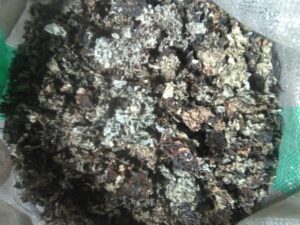
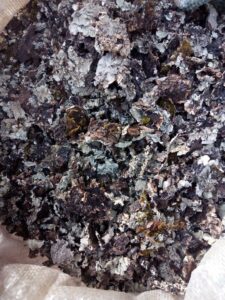
Stone Flower may contain unwanted materials such as soil, small stones, debris or other foreign matter if suppliers do not handle it carefully.
Excessive foreign matter can affect appearance, increase cleaning costs and make a shipment unsuitable for the buyer’s intended use. Buyers should specify acceptable cleanliness levels and inspection requirements before ordering.
Cleaning and sorting should follow the agreed specification. Where necessary, buyers can arrange suitable inspections before shipment.
3. Contamination Risks
Contamination can occur during harvesting, handling, processing, storage or transportation. Contact with dirty surfaces, unsuitable packaging or contaminated storage areas may compromise product quality and food safety.
Exporters and suppliers should maintain appropriate handling practices, clean storage conditions and suitable packaging. Buyers should also communicate any destination-market food safety requirements before shipment.
Depending on the destination and applicable regulations, additional testing or documentation may be necessary. Suppliers should not claim compliance with a certification or standard unless they can substantiate it.
4. Poor Moisture Control
Excessive moisture can encourage deterioration, mould growth and loss of quality during storage or transportation. However, buyers should avoid imposing arbitrary moisture limits without considering the product, applicable requirements and agreed specifications.
Before an order is confirmed, both parties should establish the moisture requirements and appropriate inspection or testing method. Suppliers should store dried Stone Flower under suitable conditions and protect it from damp environments.
Clear moisture specifications help reduce disagreements during inspection and delivery.
5. Poor Storage Practices
Even correctly identified and cleaned Stone Flower can deteriorate if stored improperly. Exposure to humidity, direct sunlight, pests, strong odours or unsuitable storage surfaces may affect its condition.
Suppliers should keep the product in a clean, dry, well-maintained storage area and protect it from contamination. They should also use suitable stock rotation practices and inspect products before packing.
Buyers should discuss expected storage periods and transportation conditions when planning bulk purchases.
6. Inconsistent Grading and Quality
Inconsistent grading can create problems for importers who need predictable quality across multiple orders. Differences in cleanliness, appearance, particle size or the proportion of unwanted material may affect processing and resale.
To reduce this risk, buyers should provide written specifications covering the characteristics that matter to their business. Both parties should agree on sampling, inspection and acceptance procedures before shipment.
Where repeat orders are expected, retaining an approved reference sample can help suppliers and buyers maintain consistency, provided the sample remains representative of the agreed product.
7. Unsuitable Packaging
Packaging that does not protect dried Stone Flower from moisture, contamination or physical damage can undermine an otherwise satisfactory shipment.
Buyers should specify packaging material, pack size, sealing requirements, labelling information and any private-label needs before production or packing begins. Food-contact packaging must be suitable for the intended use and comply with applicable requirements.
For international shipments, packaging should also be appropriate for handling, stacking and transportation. Buyers seeking private-label packaging should approve the artwork and required label details in advance.
8. Export Documentation Errors
Incomplete or inconsistent documentation can delay customs clearance and create additional costs. Common problems include differences in product descriptions, quantities, package counts, origin information and details across shipping documents.
Before dispatch, the exporter and buyer should confirm the documents required for the destination market. Depending on the transaction and applicable rules, these may include a commercial invoice, packing list, certificate of origin, transport document and relevant permits or regulatory certificates.
The product description and origin must reflect the actual goods and verified supply source. Importers should also confirm whether the destination country imposes specific requirements on culinary lichens or dried food ingredients.
9. How Buyers Can Reduce Stone Flower Export Risks
International buyers can reduce avoidable problems by following a practical checklist:
- Confirm the exact product identity and verified origin.
- Provide written cleaning, grading and quality specifications.
- Agree on moisture requirements and inspection procedures.
- Request representative samples where appropriate.
- Confirm suitable food-grade packaging and labelling.
- Verify destination-market import requirements before shipment.
- Review quantities, product descriptions and origin details across documents.
- Agree on payment terms, delivery responsibilities and shipping arrangements in writing.
These steps help both parties establish clear expectations before committing funds or dispatching goods.
Trade Specifications
Contact Renamy Global Resources Ltd today to help you avoid Stone Flower export pitfalls
Product: Dried Stone Flower (Kalpasi)
Product Identity: Culinary Lichen; Exact Product Identity to Be Confirmed
Origin: To Be Confirmed Based on Verified Supply Source
Quality: As Per Agreed Buyer Specification
Cleaning: Cleaned and Sorted, As Agreed
Grading: As Per Buyer Specification
Foreign Matter: As Per Buyer Specification
Moisture: As Per Buyer Specification
Packaging: Suitable Food-Grade Packaging; Customized Packaging Subject to Confirmation
Minimum Order Quantity: Negotiable
Supply Capacity: Subject to Availability and Confirmation
Port of Loading: To Be Confirmed Based on Sourcing and Shipping Arrangements
Delivery Terms: FOB, CFR or CIF, Where Applicable
Payment Terms: Negotiable
Documentation: Commercial Invoice, Packing List, Certificate of Origin and Other Applicable Export or Regulatory Documents
Source Stone Flower with Greater Confidence
Avoiding Stone Flower export pitfalls begins with accurate product identification, agreed quality specifications, appropriate handling and complete documentation. Buyers who address these requirements early can reduce misunderstandings and improve coordination throughout the transaction.
Renamy Global Resources Ltd welcomes enquiries from spice wholesalers, food processors and international ingredient distributors seeking Stone Flower sourcing and export coordination. Share your required quantity, quality specifications, packaging preferences and destination to discuss a suitable arrangement.
Ready to discuss your Stone Flower requirements? Contact Renamy Global Resources Ltd today.
Email: [email protected]
Phone / WhatsApp: +2348054885543