
Tiger nuts are increasingly recognized as a versatile food ingredient used in snacks, plant-based beverages, flour and other food products. For Nigerian agricultural exporters, they offer an opportunity to serve international importers, wholesalers, food processors and specialty food distributors.
Contact Renamy Global Resources Ltd today if you need a Nigerian tiger nuts exporter for international buyers
However, successful tiger nut exports require more than identifying a buyer. Exporters must ensure accurate product identification, consistent quality, suitable packaging, reliable sourcing and complete documentation.
Renamy Global Resources Ltd supports international trade enquiries with sourcing discussions, buyer-specific specifications and export coordination to help make tiger nut transactions more organized and commercially practical.
1. Understanding Tiger Nut Varieties
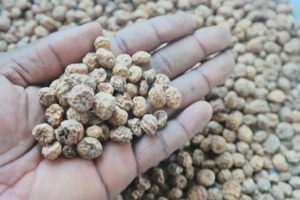
Tiger nuts, botanically known as Cyperus esculentus, are edible tubers used in several food applications. They are commonly marketed in different colours and forms, including yellow, brown and darker varieties, depending on the material and commercial classification.
Buyers may distinguish products by appearance, size, texture, taste, intended use and processing requirements. The preferred type depends on whether the nuts will be sold as a snack, processed into tiger nut milk, milled into flour or used as a food ingredient.
Exporters should confirm the exact product type and intended application with buyers before agreeing on specifications. Commercial descriptions should accurately reflect the goods being supplied.
2. Sourcing Tiger Nuts in Nigeria
Reliable sourcing is essential for maintaining product consistency and fulfilling international orders. Exporters should assess suppliers based on product identity, quality, available quantities, handling practices and the ability to meet agreed specifications.
Before confirming an order, buyers and exporters should establish:
- The required tiger nut variety or commercial type.
- The available quantity and expected supply schedule.
- The intended application and quality requirements.
- The origin and traceability information available.
- The cleaning, sorting and packaging arrangements.
Supply availability and delivery schedules should be confirmed before accepting firm purchase commitments. This helps reduce the risk of shortages, inconsistent quality or delayed shipments.
3. Cleaning and Sorting
Tiger nuts can contain soil, stones, plant debris and other foreign materials following harvesting and handling. Proper cleaning and sorting help improve the presentation and suitability of the product for its intended market.
Cleaning requirements should be agreed upon before processing. Depending on the buyer’s needs, the process may include removing visible debris, separating damaged tubers and sorting the nuts by size or appearance.
Buyers should specify acceptable foreign-matter limits and inspection requirements. Exporters should also ensure that any washing or other cleaning process is followed by appropriate drying where necessary, so the product is not packed with excessive moisture.
4. Grading and Quality Control
Grading allows buyers to assess whether a shipment meets their commercial requirements. Depending on the order, grading may consider size, appearance, colour, cleanliness, damage and consistency.
Exporters should establish written specifications before sourcing or preparing the shipment. Where appropriate, representative samples can help buyers approve the product before a larger order is finalized.
Quality checks should also address signs of mould, unusual odours, pest damage and other defects. Testing or inspection may be necessary depending on the product, destination market and buyer’s requirements.
5. Moisture Control and Storage
Moisture management is critical when preparing dried tiger nuts for export. Excessive moisture can encourage mould growth, deterioration and other quality problems during storage and transportation.
Exporters should agree on suitable moisture requirements with buyers and use appropriate inspection or testing methods where necessary. The acceptable moisture level should reflect the product’s condition, intended use and applicable market requirements rather than an arbitrary figure.
Tiger nuts should be stored in clean, dry, well-maintained areas protected from rain, dampness, pests and contamination. Proper stock rotation and inspection before packing can further reduce quality risks.
6. Packaging for International Markets
Packaging protects tiger nuts during handling, warehousing and transportation. The most suitable option depends on order volume, distribution arrangements, destination requirements and whether the product will be sold in bulk or retail quantities.
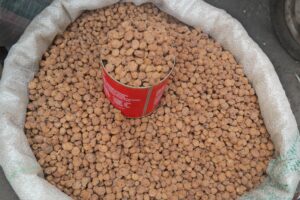
Available options may include suitable food-grade bags, bulk packaging and customized packaging agreed upon with the buyer. Packaging should protect the product from moisture, contamination and physical damage.
Retail distributors may require smaller packs, branded designs or private-label packaging, while industrial buyers may prefer larger quantities. Labelling should meet the applicable requirements of the destination market.
7. Export Documentation and Compliance
Accurate documentation is essential for smooth international trade. Requirements depend on the destination country, product classification, transaction terms and applicable regulations.
Depending on the shipment, relevant documents may include:
- Commercial invoice.
- Packing list.
- Certificate of origin, where required.
- Bill of lading or other transport document.
- Phytosanitary certificate or other regulatory documentation, where applicable.
- Relevant inspection, testing or food safety documents, where required.
Nigerian exporters should confirm applicable export procedures and regulatory requirements with the relevant authorities and service providers before shipment. Importers should independently verify destination-country requirements, including any restrictions or conditions applying to dried agricultural products.
Product descriptions, quantities, packaging details and origin information should be consistent across the documents.
8. Shipping and Delivery Arrangements
Shipping arrangements depend on the order quantity, destination, delivery schedule and agreed commercial terms. Buyers and exporters should confirm the port of loading, freight arrangements, insurance responsibilities and allocation of costs before the transaction is finalized.
FOB, CFR and CIF terms may be considered where appropriate. The parties should specify the applicable Incoterms rule and named port or destination in the sales agreement.
Exporters should also coordinate packing schedules, cargo readiness, transport bookings and document preparation. Delivery timelines must reflect actual sourcing, handling and shipping arrangements rather than unverified estimates.
Trade Specifications
Contact Renamy Global Resources Ltd today if you need a Nigerian tiger nuts exporter for international buyers
Product: Dried Tiger Nuts
Botanical Name: Cyperus esculentus
Origin: Nigeria, Subject to Verification of Supply Origin
Variety: As Agreed with Buyer
Quality: As Per Agreed Buyer Specification
Cleaning: Cleaned and Sorted, As Agreed
Grading: As Per Buyer Specification
Moisture: As Per Buyer Specification and Applicable Requirements
Foreign Matter: As Per Agreed Specification
Packaging: Suitable Food-Grade Bags, Bulk or Customized Packaging
Minimum Order Quantity: Negotiable
Supply Capacity: Subject to Availability and Confirmation
Port of Loading: To Be Confirmed Based on Shipping Arrangements
Delivery Terms: FOB, CFR or CIF, Where Applicable
Payment Terms: Negotiable
Documentation: Commercial Invoice, Packing List, Certificate of Origin and Other Applicable Export or Regulatory Documents
Source Nigerian Tiger Nuts with Renamy Global Resources Ltd
Exporting tiger nuts successfully requires careful sourcing, agreed quality standards, proper moisture control, suitable packaging and accurate documentation. Addressing these requirements early helps buyers and exporters reduce avoidable delays and build more reliable commercial relationships.
Renamy Global Resources Ltd welcomes enquiries from international importers, agricultural commodity traders, food processors and distributors seeking Nigerian tiger nuts. Share your preferred variety, quantity, quality requirements, packaging preferences and destination to discuss a suitable supply arrangement.
Ready to source tiger nuts from Nigeria? Contact Renamy Global Resources Ltd today to discuss your export requirements.
Email: [email protected]
Phone / WhatsApp: +2348054885543