
Best Uses of Imported Wheat for Flour Mills, Bakeries, and Food
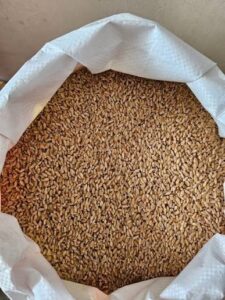
Imported wheat is used in flour milling, bakeries, biscuit production, pasta manufacturing, and other food industries.
Imported wheat is an important raw material for many businesses in the food industry. From flour milling and bread production to biscuits, noodles, and other processed foods, wheat supports a wide range of commercial applications.
For businesses in Nigeria, understanding the uses of imported wheat can help with product selection, production planning, and purchasing decisions.
Whether you operate a flour mill, bakery, food-processing company, or wholesale distribution business, choosing the right wheat for your intended application is essential.
In this guide, we explore the main commercial uses of imported wheat and the factors buyers should consider when sourcing wheat for their businesses.
1. Imported Wheat for Flour Mills
Flour milling is one of the major commercial applications of wheat. Flour mills process wheat grains into flour for bakeries, food manufacturers, retailers, and other customers.
However, different wheat varieties have different characteristics. Flour millers must consider the intended flour type, protein content, moisture level, milling performance, and other relevant specifications.
Before purchasing imported wheat, mill operators should identify their production requirements and discuss suitable grain specifications with their supplier.
A reliable supply arrangement can also help mills plan their inventory and manage production schedules.
2. Imported Wheat for Bakeries
Bakeries use wheat flour to produce a variety of baked goods, including bread, rolls, pastries, and cakes.
The wheat used to produce the flour can influence important characteristics such as dough strength, elasticity, and water absorption. The final result also depends on the milling process, recipe, and production method.
For example, bread production often requires flour with suitable protein and gluten characteristics to support the desired dough structure.
Bakeries buying wheat directly for milling should confirm the appropriate specifications with their miller or supplier. Bakeries purchasing finished flour should select flour that suits their recipes and production needs.
3. Imported Wheat for Biscuit and Cookie Production
Wheat flour is commonly used in the production of biscuits and cookies.
Different products require different flour characteristics. Some biscuit and cookie recipes work best with flour that produces a relatively tender texture rather than the stronger dough structure needed for certain bread products.
Food manufacturers should therefore consider the intended product, recipe requirements, and technical specifications when choosing wheat for milling.
If your business manufactures biscuits or cookies, discuss the flour characteristics you require with your flour supplier before selecting a wheat product.
4. Imported Wheat for Noodles and Pasta
Wheat is also used to manufacture noodles and pasta.
The appropriate wheat depends on the product being made and the manufacturer’s production process. Durum wheat is particularly associated with traditional semolina-based pasta, while other wheat varieties are used for different noodle and pasta products.
Manufacturers should confirm the required wheat type, protein characteristics, processing suitability, and quality specifications before purchasing.
Selecting wheat based on the intended product helps businesses avoid buying grain that does not meet their production requirements.
5. Imported Wheat for Food Processing
Beyond bread, biscuits, noodles, and pasta, wheat flour is used in many processed foods.
Depending on the product, wheat-based ingredients may be used in crackers, snack foods, coatings, mixes, and other manufactured food products.
The required wheat or flour characteristics vary according to the formulation and production method.
Food manufacturers should work with their technical and purchasing teams to define their specifications before requesting quotations from suppliers.
6. Imported Wheat for Wholesale and Distribution Businesses
Wholesale distributors supply agricultural commodities and food ingredients to retailers, processors, bakeries, and other commercial buyers.
Businesses purchasing imported wheat for resale should understand their customers’ requirements before placing bulk orders.
Important considerations include:
- The wheat type and grade required by customers.
- Available order quantities.
- Product quality specifications.
- Packaging and handling arrangements.
- Storage capacity and stock management.
- Supplier reliability and delivery schedules.
- Purchase price and expected commercial margins.
Understanding local customer demand can help wholesalers select appropriate products and plan their purchasing activities more effectively.
7. How to Choose the Right Wheat for Your Business
The most suitable wheat depends on what you intend to manufacture or supply.
Before placing an order, consider these important questions:
What product will you manufacture? Identify whether the wheat is intended for bread flour, general-purpose flour, pasta, noodles, biscuits, or another application.
Which specifications do you require? Confirm the relevant protein content, moisture level, grain condition, and other technical requirements.
What quantity do you need? Estimate your production requirements and storage capacity before requesting a quotation.
What documentation is available? Ask for the relevant product specification sheet and supporting quality records.
What are the delivery arrangements? Confirm availability, packaging, delivery location, timing, and any applicable additional costs.
Answering these questions can help you communicate your needs clearly and compare suppliers on a fair basis.
8. Why Wheat Quality Matters to Commercial Buyers
Wheat quality can affect milling performance, production consistency, storage, and the suitability of the final product.
Buyers should not assume that every wheat variety will perform equally in every application. Grain quality and processing requirements need to be considered together.
Where appropriate, request a specification sheet, certificate of analysis, or other relevant quality documentation. For large purchases, buyers may also consider agreed sampling and independent inspection procedures.
The aim is to purchase wheat that meets your business’s requirements rather than choosing a product based on price alone.
9. Sourcing Imported Wheat Through Renamy Global Resources Ltd
Renamy Global Resources Ltd is an importing company focused on agricultural commodity trade. Businesses seeking imported wheat can contact the company to discuss their sourcing requirements.
When making an enquiry, explain your intended application, required wheat specifications, approximate quantity, and delivery location.
You can ask about current product availability, quality information, pricing, packaging, and delivery arrangements. Confirm the details directly with Renamy before placing an order, as availability and terms may vary.
Providing clear purchasing information can help the company assess your enquiry and discuss whether the available product meets your needs.
Frequently Asked Questions
What are the main uses of imported wheat?
Imported wheat is used in flour milling and, through wheat flour and other wheat-based ingredients, in bread, biscuits, noodles, pasta, snacks, and many other food products.
Which wheat is suitable for bread production?
The appropriate wheat depends on the required flour characteristics and production process. Bread manufacturers and millers should specify their protein and dough-performance requirements before choosing a wheat variety.
Is durum wheat used for pasta?
Yes. Durum wheat is commonly used to produce semolina for traditional pasta, although the specific raw material depends on the product and manufacturing process.
What should businesses check before buying imported wheat?
Buyers should confirm the wheat type, quality specifications, available quantity, price, documentation, supplier reliability, and delivery arrangements.
How can I enquire about imported wheat from Renamy Global Resources Ltd?
Contact Renamy Global Resources Ltd with your required wheat type, intended use, approximate quantity, and delivery location. Ask about current availability, specifications, pricing, and delivery terms.
Conclusion
Imported wheat supports a wide range of commercial applications, including flour milling, bakery production, biscuit manufacturing, pasta and noodle production, and wholesale distribution.
The right choice depends on the intended application, technical specifications, production requirements, and purchasing arrangements.
If your business needs imported wheat, take time to define your requirements and verify the product details before placing an order.
Looking for imported wheat for your business?
Contact Renamy Global Resources Ltd to discuss your wheat sourcing requirements and enquire about current product availability, specifications, pricing, and delivery options.
Email: [email protected]
Phone: +234 805 488 5543
- Published in Uncategorized
Factors That Affect Imported Wheat Prices in Nigeria
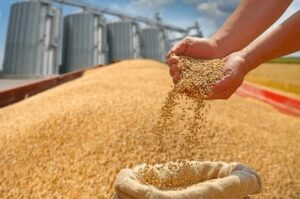
Global wheat supply, transportation costs, and market demand can influence imported wheat prices in Nigeria.
Imported wheat is an important raw material for flour mills, bakeries, food manufacturers, wholesalers, and other businesses in Nigeria. For companies that purchase wheat in bulk, understanding what affects its price can help with budgeting, stock planning, and supplier selection.
The price of imported wheat does not depend on one factor alone. International market conditions, currency exchange rates, transportation costs, product quality, and local demand can all influence the final price offered to buyers.
In this guide, we explain the major factors affecting wheat prices in Nigeria and what businesses should consider before requesting a quotation.
1. International Wheat Market Prices
One of the main factors affecting imported wheat prices in Nigeria is the price of wheat in the international market.
Wheat is traded globally, and prices can change in response to harvest conditions, available stocks, demand from importing countries, and disruptions to international trade.
When supplies from major wheat-producing and exporting regions are limited, international prices may rise. When harvests are strong and supplies are readily available, prices may ease.
These changes can influence the prices offered by international suppliers to Nigerian buyers.
For businesses purchasing wheat in bulk, it is helpful to request current quotations rather than relying on an old price estimate.
2. The Naira-to-Foreign-Currency Exchange Rate
Imported wheat is commonly traded internationally in foreign currencies. As a result, exchange-rate movements can affect its cost in naira.
When the naira weakens against the currency used for a purchase, the local-currency cost of paying for the same shipment may increase. When exchange rates become more favourable, the cost may move in the opposite direction, although other expenses can still affect the final price.
The exchange rate applied to a particular transaction depends on its payment arrangements and applicable financial and customs procedures.
Buyers should therefore ask suppliers how long a quotation remains valid and whether the quoted price can change before payment or delivery.
3. Shipping and Transportation Costs
Moving wheat from an overseas supplier to Nigeria involves logistics. Ocean freight, port handling, inland transportation, insurance, and other agreed charges may contribute to the final delivered cost.
Shipping expenses can change because of fuel prices, vessel availability, route changes, port congestion, and other logistics conditions.
The delivery location also matters. A price for wheat delivered to one location may differ from a price for delivery to another location because of transportation and handling costs.
When comparing quotations, ask whether the price includes delivery or covers only the wheat itself.
4. Wheat Type and Quality Specifications
Not all wheat is sold at the same price. The type and quality characteristics of the product can affect its commercial value.
Depending on the intended application, buyers may need to consider:
- Protein content.
- Moisture content.
- Test weight.
- Grain condition and cleanliness.
- Milling performance.
- Suitability for particular flour or food products.
For example, a flour miller producing bread flour may require different wheat characteristics from a business buying wheat for another application.
Buyers should compare products with similar specifications before deciding which quotation offers the best value. A lower-priced product may not be suitable for a particular production process.
5. Supply and Demand
Prices are also influenced by the relationship between available wheat supplies and buyer demand.
When demand from flour mills, food manufacturers, and other commercial users increases while supply is limited, prices may face upward pressure.
When supplies are more readily available or demand slows, sellers may face different market conditions.
Seasonal harvest patterns, purchasing activity in other countries, and changes in available inventories can all influence the balance between supply and demand.
Businesses should consider their expected consumption and storage capacity when planning bulk purchases.
6. Weather and Harvest Conditions
Wheat production depends on suitable growing conditions. Drought, excessive rainfall, extreme temperatures, and other adverse weather events can affect yields and crop quality.
If poor harvest conditions reduce the amount of wheat available for export, international prices may rise. Better harvests can improve availability, although the overall market response depends on demand and existing stocks.
Weather-related supply changes do not always lead to immediate price increases or decreases. Buyers should consider current quotations and market information rather than making purchasing decisions based on a single forecast.
7. International Trade and Shipping Disruptions
International trade depends on reliable transport routes, functioning ports, and the ability of exporters to move products to buyers.
Geopolitical tensions, export restrictions, port disruptions, and changes in trade policy can affect the availability and cost of wheat.
When a usual supply route becomes more expensive or less reliable, buyers and suppliers may need to consider alternative sources or delivery schedules.
These changes can influence both the price of the product and the time required to receive it.
8. Import Duties, Taxes, and Other Applicable Charges
The final cost of imported wheat may include applicable customs duties, taxes, port charges, inspection costs, clearing fees, and other expenses associated with the transaction.
The charges that apply depend on the product’s customs classification, the rules in force, and the terms of the purchase.
Buyers should ask for a clear explanation of any charges included in a quotation. Where appropriate, they should also confirm the relevant customs treatment with a qualified professional.
Do not assume that every quotation includes the same charges. Understanding what is included makes price comparisons more meaningful.
9. Order Quantity and Delivery Arrangements
The quantity being purchased and the agreed delivery arrangements can affect the price offered to a buyer.
Some suppliers may offer different pricing for different order sizes, while transport and handling costs may vary depending on the shipment and delivery location.
Before requesting a quotation, prepare the following information:
- The type and specifications of wheat required.
- The approximate quantity needed.
- The intended use of the product.
- The preferred packaging or delivery format.
- The delivery location.
- The expected purchasing timeframe.
Providing clear information helps suppliers assess the request and prepare a more relevant quotation.
10. How Buyers Can Compare Wheat Quotations
Understanding the factors that affect wheat prices can help businesses compare supplier offers more carefully.
Before making a purchasing decision:
- Confirm that each quotation refers to the same wheat type and comparable quality specifications.
- Check the quantity and unit of measurement.
- Find out whether shipping and delivery are included.
- Ask about the quotation’s validity period.
- Confirm payment terms and expected delivery schedules.
- Request relevant product specifications and supporting documents.
- Review the supplier’s reliability and communication.
A useful comparison looks beyond the headline price. Product suitability, delivery arrangements, documentation, and the supplier’s ability to meet the agreed terms also matter.
11. Enquire About Imported Wheat From Renamy Global Resources Ltd
For businesses looking to purchase imported wheat, Renamy Global Resources Ltd provides a point of contact for discussing agricultural commodity sourcing requirements.
When contacting the company, explain the type of wheat you need, your approximate order quantity, intended application, and delivery location.
You can enquire about current product availability, applicable specifications, pricing, and delivery arrangements. Request a quotation based on your actual requirements so that you can assess whether the offer suits your business.
Prices and availability may change with market conditions, so confirm the latest details directly with the company before placing an order.
Frequently Asked Questions
What is the main factor affecting imported wheat prices in Nigeria?
There is no single factor. International market prices, currency exchange rates, shipping costs, product quality, supply and demand, and applicable import charges can all affect the final price.
Why can wheat prices change even when the product stays the same?
Market conditions may change between the time a quotation is issued and when an order is paid for or delivered. Exchange rates, freight costs, and international supply conditions can all contribute to price changes.
Does wheat quality affect its price?
Yes. Different wheat types and quality specifications may have different commercial values. Buyers should compare products with similar specifications to make a fair assessment.
How can businesses get an accurate wheat quotation?
Provide the supplier with the required wheat type, quality specifications, quantity, delivery location, and expected purchasing timeframe. Confirm what the quoted price includes and how long it remains valid.
Can I buy imported wheat directly from Renamy Global Resources Ltd?
Contact Renamy Global Resources Ltd to discuss your requirements and confirm current product availability, specifications, pricing, and delivery terms.
Conclusion
Imported wheat prices in Nigeria are influenced by several connected factors, including international market conditions, exchange rates, logistics, wheat quality, demand, and applicable charges.
For commercial buyers, understanding these factors makes it easier to compare quotations, plan purchases, and select products that meet their business requirements.
Looking to source imported wheat for your business?
Contact Renamy Global Resources Ltd to discuss your wheat requirements and request information about available products, specifications, pricing, and delivery options.
Email: [email protected]
Phone: +234 805 488 5543
- Published in Uncategorized
What to Look for When Buying Imported Wheat in Bulk in Nigeria
Imported wheat is an important raw material for flour mills, bakeries, food manufacturers, wholesalers, and other businesses across Nigeria. Choosing the right wheat supplier can help businesses maintain product quality, plan production, and manage purchasing costs.
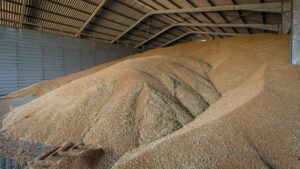
Choosing suitable wheat quality and a reliable supplier is important when purchasing wheat in bulk.
However, before buying imported wheat in bulk, it is important to understand the product you need, the quality specifications that matter, and the questions to ask your supplier.
Whether you are purchasing wheat for commercial milling, food production, or wholesale distribution, this guide explains what to consider before placing an order.
1. Understand the Type of Wheat Your Business Needs
Not all wheat is the same. Different varieties have different characteristics, making some more suitable for particular applications than others.
Before requesting a quotation, identify your intended use.
For example:
- Bread and bakery production: Buyers may need wheat with suitable protein and gluten characteristics for their recipes and production processes.
- Flour milling: Millers should consider the wheat’s milling performance, protein level, moisture content, and other agreed specifications.
- Food manufacturing: The appropriate wheat depends on the products being manufactured and the manufacturer’s technical requirements.
- Wholesale distribution: Wholesalers should understand the needs of their customers and confirm the product grade and packaging available.
Tell your supplier what you intend to use the wheat for. This helps you discuss the most appropriate product rather than choosing based on price alone.
2. Check Wheat Quality Specifications
Quality is one of the most important considerations when buying imported wheat in bulk.
Before confirming an order, ask for the product specifications and establish which quality characteristics are important for your intended use.
These may include:
- Protein content: Important for determining suitability for different flour and food applications.
- Moisture content: Excessive moisture can affect storage stability and grain quality.
- Test weight: A useful measure of grain bulk density.
- Grain condition: Check for excessive broken, damaged, or discoloured kernels.
- Foreign materials: Confirm the acceptable limits for unwanted materials.
- Pest and contamination checks: Establish appropriate inspection and acceptance requirements.
Ask for a specification sheet or relevant quality documentation where available. If the purchase is substantial, consider agreeing on an independent inspection or testing procedure before shipment or acceptance.
The correct specifications depend on the product and its intended application, so confirm them before making a purchasing decision.
3. Choose a Supplier You Can Verify
When buying imported wheat in bulk, supplier reliability matters as much as product quality.
Before placing an order, obtain clear information about the supplier’s business, available products, transaction terms, and delivery arrangements.
Consider the following questions:
- Can the supplier clearly identify the wheat being offered?
- Are product specifications and quantities provided in writing?
- Are prices and payment conditions explained clearly?
- Can the supplier provide relevant supporting documents?
- Are delivery arrangements and responsibilities clearly stated?
- Is there a reliable channel for communicating about your order?
Avoid making a large purchasing commitment based only on an attractive price or an informal promise. Written quotations and clear agreements help both parties understand the transaction.
4. Compare Price and Overall Purchasing Cost
Price is important for businesses purchasing wheat in large quantities. However, the cheapest quotation is not always the best value.
When comparing offers, consider the product grade, quality specifications, order quantity, packaging, delivery location, and any additional charges.
Ask each supplier to explain what the quotation includes. Depending on the transaction, costs may involve transportation, handling, packaging, insurance, or other agreed services.
Compare quotations on a consistent basis. A lower price for a different wheat grade or a quotation that excludes important costs may not offer the best overall value.
Your goal should be to find wheat that meets your business requirements at a commercially suitable price.
5. Confirm Bulk Quantities and Packaging
Before placing an order, confirm the quantity available and the minimum order size.
Bulk wheat may be offered in different quantities and delivery formats depending on the supplier’s stock, sourcing arrangements, and logistics.
Ask about:
- Available order quantities.
- Bulk delivery or bagged packaging options.
- Packaging sizes, where applicable.
- Product availability and expected delivery time.
- Loading, transportation, and offloading arrangements.
- The delivery location and responsibilities of each party.
These details help your business plan storage capacity, transportation, inventory, and production schedules.
Do not assume that every supplier offers every packaging format or quantity. Confirm availability before making your final decision.
6. Understand Delivery and Storage Requirements
Wheat quality must be protected throughout transportation and storage.
Before buying, discuss how the wheat will be delivered and how it should be handled after receipt.
Buyers should consider suitable storage facilities that protect grain from moisture, pests, contamination, and avoidable damage.
For larger orders, coordinate delivery with your warehouse or production team. Confirm that the receiving location can accommodate the quantity and delivery method.
It is also helpful to agree on the process for checking delivered quantities and addressing any quality or quantity discrepancies.
Good planning helps reduce avoidable losses and supports more efficient stock management.
7. Request Relevant Product Documentation
Depending on the product and transaction, useful documents may include a product specification sheet, certificate of analysis, inspection report, commercial invoice, or other applicable records.
Before purchasing, ask which documents are available and which are relevant to your order.
Check that the product description, grade, quantity, and other details match the quotation and purchase agreement.
Documentation can help your team evaluate the product and maintain purchasing records. However, documents should be reviewed alongside the actual contractual requirements and appropriate quality checks.
8. Ask the Right Questions Before Ordering
Before committing to a bulk wheat purchase, make sure you have answers to the questions that matter to your business.
- What type and grade of wheat is available?
- What are the product’s quality specifications?
- What quantity can be supplied?
- What is the quoted price, and what does it include?
- What packaging and delivery options are available?
- What product documentation can be provided?
- What are the payment terms and expected delivery schedule?
- How will quality or quantity disputes be handled?
Getting clear answers in advance helps you compare suppliers fairly and make an informed purchasing decision.
9. Why Consider Renamy Global Resources Ltd for Your Wheat Sourcing Needs?
Renamy Global Resources Ltd is an importing company focused on agricultural commodity trade. For businesses looking to source imported wheat, contacting the company is an opportunity to discuss their purchasing requirements and determine whether the available supply matches their needs.
When making an enquiry, explain your intended application, required wheat specifications, approximate quantity, and delivery location.
You can also ask about current product availability, applicable pricing, packaging, delivery arrangements, and supporting documentation.
Confirm these details directly with Renamy Global Resources Ltd before placing an order, as availability and transaction terms may vary.
A clear discussion helps both the buyer and supplier establish whether the proposed transaction is suitable.
Frequently Asked Questions
What should I check before buying imported wheat in bulk?
Start with the wheat type, intended use, quality specifications, price, available quantity, supplier reliability, supporting documents, and delivery arrangements.
Which wheat is suitable for flour production?
The appropriate wheat depends on the type of flour and the products being manufactured. Flour millers should discuss their required protein characteristics, milling performance, and other specifications with their supplier.
Should I choose a wheat supplier based on price alone?
No. Compare price alongside quality, product suitability, delivery terms, documentation, and the supplier’s ability to meet your requirements.
What documents should I request when buying wheat?
Depending on the transaction, you may request a product specification sheet, certificate of analysis, inspection report, invoice, and other relevant commercial documents.
How can I enquire about imported wheat from Renamy Global Resources Ltd?
Contact the company with your required wheat type, approximate quantity, intended use, and delivery location. Ask about current availability, pricing, quality specifications, and delivery terms.
Conclusion
Buying imported wheat in bulk requires more than finding a competitive price. Businesses should understand their product requirements, assess quality specifications, verify supplier information, compare quotations, and agree on clear delivery and purchasing terms.
Taking these steps can help flour mills, food manufacturers, wholesalers, and other commercial buyers make better-informed sourcing decisions.
Looking for imported wheat for your business?
Contact Renamy Global Resources Ltd to discuss your wheat sourcing requirements and enquire about current product availability, specifications, pricing, and delivery options.
Email: [email protected]
Phone: +234 805 488 5543
- Published in Uncategorized
How to Find Reliable International Wheat Suppliers
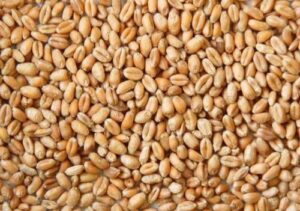
Finding reliable international wheat suppliers is an important step for businesses that depend on wheat for commercial production, distribution, and food manufacturing. Whether you operate a flour mill, commercial bakery, food-processing company, wholesale distribution business, or agricultural trading company, choosing the right supplier can have a major impact on your supply chain.
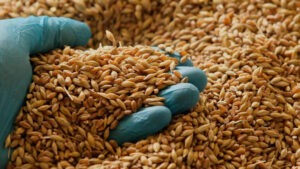
Inspecting wheat quality helps buyers confirm that grain meets agreed commercial specifications.
For businesses in Nigeria and across West Africa, international wheat sourcing requires careful attention to product specifications, supplier reliability, documentation, shipping arrangements, pricing, and delivery.
Renamy Global Resources Ltd has experience importing wheat and understands the importance of dependable relationships in international agricultural commodity trade.
Why Choosing the Right Wheat Supplier Matters
A wheat supplier does more than provide a product. The supplier must be able to deliver the agreed quantity, meet the required specifications, provide appropriate documentation, and work within the agreed commercial and delivery terms.
An unreliable supplier can create problems such as:
- Delayed shipments
- Inconsistent product quality
- Documentation problems
- Unexpected costs
- Supply interruptions
- Difficult communication
- Disputes over product specifications
For businesses that rely on regular wheat supplies, these problems can affect production and customer commitments.
This is why supplier selection should be treated as an important part of procurement rather than simply choosing the lowest quotation.
1. Verify the Supplier’s Business Information
Before entering into a major international transaction, buyers should conduct appropriate due diligence on the supplier.
Check available business information, contact details, trading history, export experience, and other information that can help establish that the company is legitimate and capable of conducting the proposed transaction.
Where possible, important claims should be independently verified.
A professional supplier should be willing to provide reasonable information about its business and the proposed supply arrangement.
2. Confirm the Type and Specification of Wheat
Not every type of wheat is suitable for every application.
Before requesting a quotation, determine the specifications your business requires. These may include:
- Wheat variety
- Protein content
- Moisture content
- Test weight
- Falling number
- Gluten characteristics
- Foreign material limits
- Grain condition
- Quantity required
The specifications should reflect the intended use of the wheat.
For example, a flour mill supplying bread manufacturers may have different requirements from a business purchasing durum wheat for pasta and semolina production.
3. Request Product Documentation
A reliable supplier should be able to provide appropriate documentation relating to the proposed shipment.
Depending on the transaction, this may include product specifications, certificates of analysis, inspection documentation, certificates of origin, shipping documents, and other relevant trade documentation.
Buyers should review the documents carefully and confirm that they correspond with the actual product and agreed specifications.
Documentation requirements can vary according to the commodity, origin, destination, and applicable regulations.
4. Compare Supplier Quotations Carefully
Price is an important consideration, but it should not be the only factor.
Two suppliers may quote different prices because their offers are based on different delivery terms, quantities, freight arrangements, or specifications.
When comparing international wheat suppliers, consider:
- Product price
- Quantity
- Wheat specification
- Country of origin
- Shipping terms
- Freight
- Insurance
- Port charges
- Inspection costs
- Delivery arrangements
- Payment terms
Comparing quotations on an equivalent basis provides a clearer picture of the actual commercial value of each offer.
5. Understand Shipping and Delivery Terms
International wheat purchases involve transportation from the exporting country to the destination market.
Before finalizing a transaction, the buyer should understand who is responsible for arranging shipping, insurance, port handling, customs-related procedures, and inland transportation.
Delivery terms should be clearly understood by both parties.
A supplier may offer a competitive product price, but the final cost can change significantly depending on the shipping and delivery arrangement.
6. Consider Quality Inspection
Quality inspection can provide additional assurance when purchasing wheat in commercial quantities.
Depending on the transaction, buyers may use independent inspection companies or laboratory testing to assess agreed product characteristics.
The buyer and supplier should establish the inspection procedure before shipment, including the relevant specifications and how discrepancies will be handled.
This helps create a clear process if the delivered product does not meet the agreed requirements.
7. Assess the Supplier’s Communication
Good communication is an important part of international trade.
A reliable supplier should communicate clearly about:
- Product availability
- Specifications
- Pricing
- Documentation
- Shipping schedules
- Payment arrangements
- Delivery requirements
Buyers should be cautious when important information is unclear or frequently changes without a reasonable explanation.
Written communication and properly documented commercial agreements can help reduce misunderstandings.
8. Look Beyond the Lowest Price
An unusually low price may appear attractive, but businesses should consider the complete transaction.
The cheapest quotation may not provide the best value if it involves higher freight costs, unsuitable specifications, unreliable delivery, or unexpected charges.
A better approach is to evaluate the supplier based on the combination of:
Quality + Reliability + Price + Documentation + Logistics + Service
This provides a more realistic basis for choosing an international wheat supplier.
9. Build a Long-Term Supplier Relationship
Businesses that purchase wheat regularly can benefit from developing professional relationships with reliable suppliers.
Long-term relationships can improve communication and make it easier to understand each other’s requirements.
However, businesses should continue to carry out appropriate checks and maintain clear commercial agreements for individual transactions.
10. Choose an Experienced Agricultural Trade Partner
For businesses that do not have extensive experience in international commodity sourcing, working with an experienced agricultural trading company can provide useful support.
The right partner should understand the importance of product specifications, supplier coordination, documentation, shipping, and delivery planning.
Renamy Global Resources Ltd
Renamy Global Resources Ltd operates in agricultural import-export and international trade and has experience importing wheat.
Our experience in wheat importing gives us an understanding of the importance of reliable sourcing, product requirements, documentation, and supply-chain coordination.
We work with businesses interested in agricultural commodities and international trade opportunities.
Product availability, specifications, quantities, pricing, and delivery arrangements should be confirmed based on each individual enquiry.
Questions to Ask a Wheat Supplier Before Buying
Before entering into a commercial wheat transaction, buyers can ask:
What type of wheat is available?
Confirm the variety, grade, origin, and intended application.
Inspecting wheat quality helps buyers confirm that grain meets agreed commercial specifications.
What are the product specifications?
Ask for the relevant technical specifications and quality documentation.
What quantity can you supply?
Confirm whether the supplier can meet your required volume.
What are the delivery terms?
Understand the responsibilities of the buyer and supplier for shipping, insurance, port handling, and delivery.
What inspection arrangements are available?
Establish how product quality will be verified.
What documentation will accompany the shipment?
Confirm the relevant commercial, shipping, inspection, and regulatory documents.
What is the total cost of delivery?
Consider the purchase price together with applicable freight, insurance, handling, import, transportation, and storage costs.
Conclusion
Finding reliable international wheat suppliers requires more than searching for the lowest price. Commercial buyers should verify suppliers, establish clear product specifications, review documentation, understand delivery terms, and consider the complete cost of receiving the wheat.
A carefully selected supplier can become an important part of a dependable agricultural supply chain.
With experience in wheat importing and agricultural trade, Renamy Global Resources Ltd provides a point of contact for businesses interested in exploring agricultural commodity sourcing and international trade opportunities.
Contact Renamy Global Resources Ltd
Are you looking for imported wheat or agricultural commodity sourcing solutions?
Contact Renamy Global Resources Ltd to discuss your product requirements, quantity, specifications, packaging, and delivery needs.
Email: [email protected]
Phone & WhatsApp: +234 805 488 5543
Renamy Global Resources Ltd — Connecting businesses to agricultural trade opportunities.
- Published in Uncategorized
How to Check Wheat Quality Before Buying in Bulk
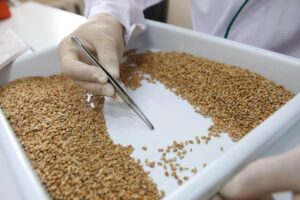
Inspecting wheat quality before bulk purchase helps buyers assess grain condition and suitability for processing.
Buying wheat in bulk is an important decision for flour mills, commercial bakeries, food manufacturers, and agricultural commodity traders. The quality of the wheat purchased can affect flour production, product consistency, storage, and overall business performance.
For businesses sourcing imported wheat in Nigeria and West Africa, understanding the key quality indicators can help reduce purchasing risks and ensure that the grain is suitable for its intended use.
Renamy Global Resources Ltd understands the importance of dependable agricultural commodity sourcing and encourages commercial buyers to pay attention to the following factors when evaluating wheat supplies.
1. Check the Grain’s Physical Condition
A visual inspection is a useful first step when assessing wheat quality.
Good-quality wheat should generally have a reasonably uniform appearance appropriate to its variety and grade. Buyers should look for excessive broken kernels, discoloured grains, visible mould, insect damage, and unusual foreign materials.
However, appearance alone cannot establish the full quality of a shipment. Laboratory testing and appropriate inspection procedures are necessary to assess important characteristics that cannot be confirmed by sight.
2. Verify the Moisture Content
Moisture content is an important consideration when buying wheat for commercial storage and processing.
Excessive moisture can increase the risk of spoilage, mould development, and deterioration during storage, depending on the storage conditions and duration.
Buyers should request the measured moisture content and confirm that it meets the agreed product specification and applicable storage requirements.
A calibrated moisture meter or an appropriate laboratory test can help establish the actual moisture level.
3. Review the Protein Content
Protein content is particularly important for wheat intended for flour milling and baking.
Different applications require different wheat characteristics. For example, bread production often benefits from wheat with suitable protein quantity and gluten functionality, while other food products may require different specifications.
Buyers should not rely on protein percentage alone. They should also consider the intended application, flour performance requirements, and any additional agreed quality parameters.
4. Ask for a Certificate of Analysis
A Certificate of Analysis (CoA), where available and applicable to the shipment, provides documented information about tested product characteristics.
Depending on the contract and product, the document may include moisture content, protein content, test weight, and other agreed parameters.
Before completing a bulk purchase, buyers should:
- Confirm that the certificate corresponds to the actual product or shipment.
- Review the reported results against the purchase specification.
- Check the issuing laboratory or inspection provider.
- Clarify any missing information with the supplier.
- Agree on the inspection and dispute-resolution procedures before shipment.
Documentation should support the agreed specifications rather than replace appropriate inspection.
5. Check for Foreign Materials and Contamination

Wheat kernels should be checked for grain condition, damage, and foreign materials.
Wheat may require cleaning to remove materials such as stones, chaff, dust, weed seeds, and other unwanted matter.
Buyers should establish the acceptable limits for foreign materials and damaged kernels in the purchase agreement. They should also confirm that suitable inspection and testing procedures are in place.
Where food safety is concerned, appropriate testing and handling controls are essential. A visual inspection alone cannot rule out every possible contaminant.
6. Evaluate Test Weight and Other Relevant Specifications
Test weight is one of the characteristics used in evaluating wheat. It provides information about the grain’s bulk density, although it does not independently determine milling performance or overall quality.
Depending on the intended application, commercial buyers may also need to consider:
- Falling number
- Gluten strength or functionality
- Kernel condition
- Variety and grade
- Foreign matter limits
- Applicable food safety requirements
The appropriate limits should be agreed upon before purchasing, rather than assuming that one specification is suitable for every type of wheat.
7. Confirm That the Wheat Suits Your Business
Before ordering, identify the purpose for which the wheat will be used.
A flour mill may have different requirements from a pasta manufacturer or a commercial bakery. Selecting wheat based on price alone can lead to problems if the grain does not meet the buyer’s production needs.
Share your technical requirements with the supplier and request information demonstrating whether the offered wheat meets those requirements.
8. Assess the Supplier’s Documentation and Delivery Arrangements
Product quality is only one part of a successful bulk wheat transaction. Buyers should also understand the supplier’s documentation, shipment arrangements, delivery terms, and process for handling quality disputes.
Before committing to an order, clarify:
- The product type and agreed specifications
- The quantity and packaging
- The inspection arrangements
- The required shipping and import documents
- The delivery terms and destination
- The procedure for resolving specification discrepancies
Clear communication helps both parties understand their responsibilities before the transaction proceeds.
Why Choose Renamy Global Resources Ltd?
Renamy Global Resources Ltd operates in agricultural product importing and exporting, including wheat supply. We recognise the importance of matching product specifications with the needs of commercial buyers.
Businesses seeking imported wheat can contact our team to discuss their required product type, quantity, technical specifications, packaging preferences, and destination.
Our goal is to help buyers assess their requirements and make informed decisions about agricultural commodity sourcing.
Final Thoughts
Checking wheat quality before buying in bulk involves more than examining the grain’s appearance. Buyers should review moisture and protein content, assess physical condition, verify documentation, and ensure that the product meets the intended processing requirements.

Quality testing helps buyers verify that wheat meets the agreed specifications for commercial use.
A clear purchase specification, appropriate inspection, and reliable documentation can help businesses make more informed purchasing decisions.
Contact Renamy Global Resources Ltd
If your business is sourcing imported wheat or other agricultural commodities, contact Renamy Global Resources Ltd to discuss your requirements.
Email: [email protected]
Phone/WhatsApp: +234 805 488 5543
Share your required product type, quantity, specifications, and delivery destination to begin your enquiry.
- Published in Uncategorized
Imported Whole Wheat Flour Supplier in Nigeria | Wholesale Flour
Buy Premium Imported Whole Wheat Flour in Nigeria
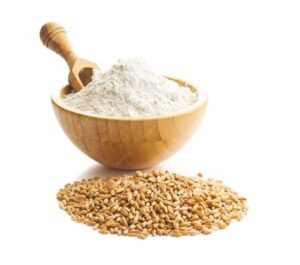
Premium Imported Whole Wheat Flour for Bakeries, Food Manufacturers, and Wholesale Distribution
If you are looking for a reliable imported whole wheat flour supplier in Nigeria, Renamy Global Resources Ltd supplies premium-quality whole wheat flour to commercial bakeries, food manufacturers, wholesalers, distributors, retailers, supermarkets, hotels, caterers, and industrial food processors across Nigeria and West Africa.
Our imported whole wheat flour is produced from carefully selected milling wheat and processed to meet strict international quality standards. Whether you require commercial quantities for manufacturing or packaged flour for retail distribution, we provide flexible supply solutions, competitive pricing, and dependable logistics support.
What Is Whole Wheat Flour?
Whole wheat flour is produced by milling the entire wheat kernel, including the bran, germ, and endosperm. Because all parts of the grain are retained, whole wheat flour contains higher levels of dietary fiber, vitamins, minerals, and natural nutrients than refined white flour.
As consumer demand for healthier foods continues to grow, whole wheat flour remains one of the most sought-after ingredients in commercial baking and food manufacturing.
Why Imported Whole Wheat Flour Is Preferred by Commercial Buyers
Many flour users choose imported whole wheat flour because of its consistent quality and superior processing characteristics.
Key advantages include:
- Consistent flour texture
- Reliable baking performance
- Uniform protein levels
- Excellent dough handling properties
- Improved nutritional value
- Consistent production results
- Longer storage stability
- Uniform product quality across batches
For food manufacturers and bakeries, consistency is critical. Imported flour helps maintain production efficiency and customer satisfaction.
Commercial Applications of Whole Wheat Flour
Whole Wheat Bread Production
Whole wheat flour is widely used in the production of:
- Sandwich bread
- Sourdough bread
- Artisan loaves
- Flatbreads
- Burger buns
- Dinner rolls
The natural fiber content and rich flavor make it ideal for health-conscious consumers.
Commercial Bakery Manufacturing
Bakeries use whole wheat flour for:
- Bread production
- Cakes
- Muffins
- Cookies
- Biscuits
- Pastries
Its nutritional profile allows bakeries to develop premium and health-focused product lines.
Food Processing Industry
Food manufacturers use imported whole wheat flour for:
- Breakfast cereals
- Packaged food products
- Healthy snack production
- Nutritional foods
- Ready-to-eat meals
The growing demand for healthier food alternatives has significantly increased the commercial use of whole wheat flour.
Hotel, Restaurant and Catering Services
Hotels, restaurants, and institutional caterers use whole wheat flour for:
- Bread production
- Pizza dough
- Flatbread preparation
- Healthy menu offerings
Growing Demand for Whole Wheat Flour in Nigeria
The Nigerian food sector continues to experience growing demand for healthier grain-based products. Consumers are increasingly choosing foods made with whole grains due to their fiber content and nutritional benefits.
This trend has created strong demand among:
- Commercial bakeries
- Supermarket chains
- Food manufacturers
- Wholesalers
- Catering businesses
- Health food retailers
Businesses that maintain reliable access to premium whole wheat flour are better positioned to meet evolving consumer preferences.
Benefits of Whole Wheat Flour
Whole wheat flour offers numerous benefits for both manufacturers and consumers.
Rich in Dietary Fiber
Whole wheat flour retains the wheat bran, making it naturally rich in fiber.
Natural Nutrient Retention
Contains naturally occurring:
- B vitamins
- Iron
- Magnesium
- Zinc
- Antioxidants
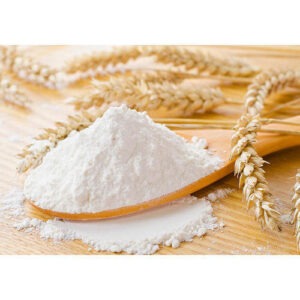
High-Quality Whole Wheat Flour for Commercial Baking and Food Processing
Superior Texture and Flavor
Provides a richer flavor profile and distinctive texture suitable for premium baked products.
Suitable for Multiple Product Categories
Can be used across:
- Bakery products
- Health foods
- Snacks
- Cereals
- Catering operations
Wholesale Whole Wheat Flour Supply
Renamy Global Resources supplies wholesale quantities of imported whole wheat flour to businesses throughout Nigeria and West Africa.
Our wholesale customers include:
Commercial Bakeries
Reliable flour supply for daily production requirements.
Food Processing Companies
Consistent raw materials for manufacturing operations.
Food Distributors
Bulk flour for regional and national distribution networks.
Supermarkets and Retail Chains
Retail-ready packaging suitable for shelf display.
Agricultural Commodity Traders
Commercial supply arrangements for local and regional markets.
Hotels and Institutional Caterers
Food-grade flour for large-scale kitchen operations.
Whole Wheat Flour Specifications
Every shipment is supplied according to commercial quality standards.
Product Specifications
- Product Name: Whole Wheat Flour
- Product Type: Food Grade Flour
- Source Material: Premium Milling Wheat
- Color: Natural Brown
- Texture: Fine Powder
- Moisture Level: Industry Standard
- Packaging: Retail and Commercial Options
- Storage Condition: Cool and Dry Environment
Specifications may vary depending on origin and buyer requirements.
Packaging Options
We provide multiple packaging solutions for various market segments.
Retail Packaging
Available in:
- 1kg bags
- 2kg bags
- 5kg bags
Suitable for:
- Supermarkets
- Grocery stores
- Retail distributors
Commercial Packaging
Available in:
- 25kg bags
- 50kg bags
Suitable for:
- Bakeries
- Food manufacturers
- Food service providers
- Distributors
Private Label Packaging
Custom packaging and branding solutions are available for qualified commercial customers.
Quality Assurance and Product Safety
All flour products supplied by Renamy Global Resources are sourced from reputable international producers committed to quality and food safety.
Available documentation may include:
- Certificate of Analysis (CoA)
- Certificate of Origin
- Quality Assurance Documentation
- Shipping Documentation
- Import Documentation
This helps commercial buyers maintain compliance and quality control requirements.
Why Choose Renamy Global Resources?
Trusted Wholesale Supplier
We maintain relationships with reliable international suppliers to ensure product availability and consistency.
Competitive Bulk Pricing
Our sourcing network allows us to provide cost-effective pricing for commercial buyers.
Flexible Delivery Arrangements
We support:
- Container shipments
- Warehouse delivery
- Port delivery
- Commercial distribution requirements
Professional Customer Support
Our team assists with:
- Product enquiries
- Volume planning
- Packaging selection
- Logistics coordination
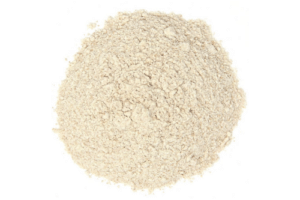
Premium Milling Wheat Processed into Nutritious Whole Wheat Flour
How to Order Wholesale Whole Wheat Flour
Step 1: Select Product Type
Choose your required whole wheat flour specification.
Step 2: Specify Quantity
Provide your required volume in:
- Bags
- Pallets
- Containers
- Tonnage
Step 3: Choose Packaging
Select retail or commercial packaging options.
Step 4: Provide Delivery Location
Specify your destination warehouse, city, or port.
Step 5: Request a Quotation
Receive a competitive quote based on product availability and logistics requirements.
Frequently Asked Questions
Where can I buy imported whole wheat flour in Nigeria?
Renamy Global Resources supplies imported whole wheat flour to commercial buyers throughout Nigeria and West Africa.
Do you offer wholesale whole wheat flour?
Yes. We supply commercial quantities suitable for bakeries, food manufacturers, distributors, and retailers.
Is your whole wheat flour suitable for baking?
Yes. Our flour is suitable for bread production, pastries, cakes, cookies, and other bakery applications.
Can supermarkets purchase retail packs?
Yes. We supply retail-ready packaging suitable for supermarkets and grocery stores.
Do you provide bulk supply options?
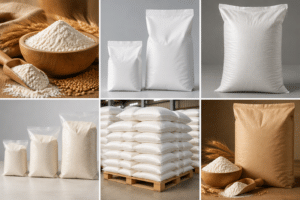
Bulk Whole Wheat Flour Supply for Retail and Commercial Markets
Yes. Bulk supply solutions are available for commercial and industrial buyers.
Source Premium Imported Whole Wheat Flour Today
Whether you operate a bakery, food manufacturing facility, supermarket chain, distribution company, food service business, or agricultural trading company, Renamy Global Resources Ltd is ready to support your wholesale whole wheat flour requirements.
Renamy Global Resources Ltd
Email: [email protected]
Phone & WhatsApp: +234 805 488 5543
- Published in Uncategorized
Wholesale Wheat & Flour Nigeria | Renamy Global Resources
Buy Premium Wholesale Imported Wheat from Renamy Global Resources Ltd
Premium Whole Wheat Flour for Commercial Baking and Food Manufacturing
If you are looking for a reliable wholesale imported wheat supplier in Nigeria, Renamy Global Resources Ltd supplies premium-quality milling wheat, durum wheat, and whole wheat flour to industrial flour mills, commercial bakeries, food manufacturers, food distributors, wholesalers, retailers, supermarkets, and international buyers across West Africa.
As a trusted direct importer and wholesale distributor of agricultural commodities, we source high-quality wheat from leading grain-producing regions in North America, Europe, and Australia. Our supply chain is designed to provide consistent quality, competitive pricing, complete documentation, and efficient logistics support for businesses that require dependable long-term wheat supply.
Whether you need bulk vessel shipments, containerized cargo, or packaged flour products, Renamy Global Resources Ltd delivers reliable wheat supply solutions tailored to your business requirements.
Imported Milling Wheat for Flour Mills and Food Manufacturers
Imported milling wheat is essential for modern food production and commercial flour manufacturing. High-quality wheat ensures consistent flour yield, stronger gluten performance, excellent dough elasticity, and superior baking characteristics.
Our wheat is suitable for:
- Industrial flour milling
- Commercial bread production
- Pasta and semolina manufacturing
- Biscuit and confectionery production
- Food processing industries
- Wholesale food distribution
- Catering and food service operations
- Retail flour packaging
We work closely with flour millers, food processors, and agricultural commodity traders to provide wheat grades that match specific technical and production requirements.
Types of Wheat We Supply
Hard Red Winter Wheat (HRW)
Hard Red Winter Wheat is widely used for commercial bread production and flour milling due to its balanced protein content and excellent baking performance.
Applications include:
- Bread flour production
- Commercial bakeries
- General-purpose flour milling
- Food manufacturing
Benefits:
- Consistent milling quality
- Strong gluten properties
- Reliable baking performance
- Excellent flour extraction rates
Hard Red Spring Wheat (HRS)
Hard Red Spring Wheat is known for its higher protein content and exceptional dough strength.
Suitable for:
- Premium bread flour
- Industrial bakeries
- High-protein flour blends
- Frozen dough production
Benefits:
- Superior gluten strength
- Improved dough tolerance
- Excellent loaf volume
- Consistent flour quality
Durum Wheat for Semolina and Pasta Manufacturing
Durum wheat is the preferred choice for semolina production and premium pasta manufacturing.
Applications include:
- Pasta production
- Macaroni manufacturing
- Noodle production
- Semolina processing
Benefits:
- High protein content
- Strong kernel structure
- Excellent cooking quality
- Superior pasta texture
Why West Africa Depends on Imported Wheat
Nigeria and the broader West African region continue to experience increasing demand for reliable wheat imports.
The food manufacturing sector relies heavily on imported wheat for:
- Bread production
- Flour milling
- Packaged food manufacturing
- Institutional catering
- Consumer retail markets
Industrial flour mills, bakeries, food processing companies, and distributors require a stable supply of premium-grade wheat to meet growing consumer demand and maintain production efficiency.
Renamy Global Resources serves as a strategic link between international agricultural exporters and commercial buyers throughout West Africa.
Commercial Applications of Imported Wheat
Imported milling wheat serves numerous commercial and industrial applications.
Bread and Bakery Production
High-protein wheat is ideal for:
- Sandwich bread
- Artisan bread
- Sourdough bread
- Flatbread production
Flour Milling Operations
Industrial mills use premium wheat for:
- Flour extraction
- Grain blending
- Custom flour formulation
- Commercial flour production
Pasta and Semolina Production
Durum wheat supports:
- Pasta manufacturing
- Semolina milling
- Macaroni production
- Noodle processing
Food Manufacturing
Food processors use wheat for:
- Bakery ingredients
- Packaged foods
- Snack production
- Nutritional products
Retail Flour Packaging
Finished flour products are suitable for:
- Supermarkets
- Grocery retailers
- Wholesale distributors
- Private-label brands
Grain Specifications and Quality Standards
Every shipment supplied by Renamy Global Resources Ltd includes a Certificate of Analysis (CoA) confirming product quality and technical specifications.
Milling Wheat Specifications
- Grain Type: Hard Red Wheat (Non-GMO)
- Protein Content: 11.5% – 14.0%
- Moisture Content: Maximum 12.5%
- Falling Number: 250+ seconds
- Test Weight: Minimum 78 kg/hl
- Gluten Index: 80% – 95%
Durum Wheat Specifications
- Grain Type: Durum Wheat (Non-GMO)
- Protein Content: 13.0% – 15.0%
- Moisture Content: Maximum 12.0%
- Falling Number: 300+ seconds
- Test Weight: Minimum 80 kg/hl
All products are inspected and supplied according to international trade and food safety standards.
Packaging Options for Wholesale Wheat and Flour
We offer flexible packaging solutions to meet the requirements of industrial buyers, wholesalers, distributors, and retail markets.
Industrial and Bulk Packaging
Bulk Vessel Shipments
Suitable for:
- Large flour mills
- Major grain processors
- Port-to-port deliveries
Containerized Cargo
Available in:
- 20-foot containers
- 40-foot containers
- Flexi-bag systems
50kg Woven Polypropylene Bags
Ideal for:
- Flour distributors
- Commercial bakeries
- Regional warehouses
- Agricultural traders
Retail Packaging
1kg and 5kg Consumer Packs
Suitable for:
- Supermarkets
- Grocery stores
- Retail distributors
- Household consumers
Private Label Packaging
Available for:
- Retail brands
- Supermarket chains
- Food distributors
- Commercial clients
Regulatory Compliance and Quality Assurance
Renamy Global Resources ensures that all imported wheat and flour products meet regulatory requirements and international food safety standards.
We provide:
- Phytosanitary Certificates
- Certificates of Analysis (CoA)
- Certificates of Origin
- Customs Documentation
- Import Compliance Documents
- Port Clearance Support
- Logistics Coordination
For Nigerian buyers, we assist with regulatory requirements applicable to domestic distribution and commercial trade.
Why Buy Wholesale Wheat from Renamy Global Resources?
Reliable International Supply Chain
We maintain sourcing partnerships with trusted agricultural exporters across:
- North America
- Europe
- Australia
Consistent Product Quality
All shipments are:
- Lab tested
- Documented
- Professionally inspected
- Commercial-grade
Flexible Commercial Terms
Available trade terms include:
- FOB (Free on Board)
- CIF (Cost, Insurance and Freight)
- DDP (Delivered Duty Paid)
Efficient Logistics Support
Our team assists with:
- Import documentation
- Customs clearance
- Port logistics
- Shipping coordination
Competitive Wholesale Pricing
Bulk purchasing enables businesses to achieve cost efficiency while maintaining consistent production schedules.
Industries We Serve
Our wholesale wheat supply solutions serve:
Industrial Flour Mills
Reliable grain supply for large-scale flour manufacturing.
Commercial Bakeries
Consistent wheat quality for bread, cakes, pastries, and specialty baked products.
Food Manufacturers
Premium raw materials for commercial food processing.
Commodity Traders
Bulk wheat sourcing for local and regional distribution.
Food Wholesalers and Distributors
Commercial quantities for redistribution and retail supply chains.
Supermarket Chains
Packaged flour products and private-label opportunities.
Hotel and Catering Businesses
Food service-grade wheat flour and grain products.
How to Order Bulk Wheat and Flour
Ordering from Renamy Global Resources is simple.
Step 1: Select Your Product
Choose:
- Hard Red Winter Wheat
- Hard Red Spring Wheat
- Durum Wheat
- Whole Wheat Flour
Step 2: Specify Quantity
Provide:
- Total tonnage
- Container quantity
- Number of bags
Step 3: Define Technical Specifications
Indicate:
- Protein level
- Moisture requirements
- Intended application
Step 4: Choose Packaging
Select from:
- Bulk vessel cargo
- Containerized shipments
- 50kg bags
- Retail packaging
Step 5: Provide Destination
Specify:
- Delivery port
- Warehouse location
- Shipping preference
Step 6: Request a Quote
Our team will prepare a competitive quotation based on current market availability and logistics requirements.
Frequently Asked Questions
Can I buy wholesale imported wheat in Nigeria?
Yes. Renamy Global Resources supplies commercial quantities of imported milling wheat and durum wheat to businesses throughout Nigeria and West Africa.
What types of wheat do you import?
We supply Hard Red Winter Wheat (HRW), Hard Red Spring Wheat (HRS), and Durum Wheat.
Do you supply wheat flour?
Yes. We supply premium whole wheat flour in retail and commercial packaging formats.
Do shipments include quality certificates?
Yes. Every shipment includes a Certificate of Analysis and relevant trade documentation.
Can you deliver large quantities?
Premium Imported Wheat Flour for Flour Mills, Bakeries, and Food Manufacturers
Yes. We support both containerized shipments and bulk vessel deliveries.
What industries do you serve?
We supply flour mills, bakeries, food manufacturers, distributors, supermarkets, caterers, and commodity traders.
Request a Wholesale Wheat Supply Quote Today
For businesses seeking a reliable wholesale imported wheat supplier in Nigeria and West Africa, Renamy Global Resources Ltd offers premium-quality grain, consistent supply, flexible logistics, and professional support.
Please Include:
- Product Type
- Quantity Required
- Grain Specifications
- Packaging Preference
- Destination Port or Warehouse
- Delivery Requirements
Contact Renamy Global Resources Ltd
Renamy Global Resources Ltd
Premier Direct Importer and Wholesale Distributor of High-Grade Agricultural Products
Email: [email protected]
Phone & WhatsApp: +234 805 488 5543
For enquiries regarding bulk milling wheat, durum wheat imports, whole wheat flour, food manufacturing supplies, grain distribution, and agricultural commodity sourcing, contact Renamy Global Resources Ltd today.
- Published in Uncategorized
Dry Snails from Nigeria | Wholesale & Export Supplier
Dry Snails from Nigeria for Wholesale and Export Markets
If you are looking for wholesale dry snails from Nigeria, Renamy Global Resources supplies Nigerian dried snails to importers, wholesalers, distributors, retailers, African grocery stores, restaurants, caterers, food businesses, and other commercial buyers.
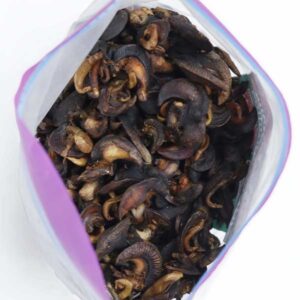
Dry Snails from Nigeria for Wholesale and Export Markets
Our dry snail supply is suitable for businesses looking for a traditional Nigerian food product for wholesale distribution, retail, restaurants, African food stores, food service, and export markets.
Dried snails are commonly used in Nigerian and African cuisine, particularly in soups, stews, pepper soup, and other traditional dishes. For international buyers, sourcing dry snails from Nigeria provides an opportunity to access a traditional Nigerian food product for commercial distribution and retail.
Renamy Global Resources can discuss supply according to product availability, quantity, size, specifications, packaging, destination, and buyer requirements.
What Are Dry Snails?
Dry snails are snails that have been cleaned and processed before being dried for storage, distribution, and cooking.
Dried snails are a traditional food product in Nigeria and are used in different Nigerian dishes. Depending on the processing method and buyer requirements, dried snails can vary in size, appearance, texture, and preparation.
Dry snails are commonly used for:
- Nigerian soups
- Pepper soup
- Stews
- Traditional African dishes
- Restaurant cooking
- Catering
- Household cooking
- African grocery stores
- Food wholesalers
- Food distributors
- International African food markets
The preparation and cooking method can vary according to regional and individual preferences.
Commercial buyers should communicate their required specifications and intended market when requesting a quotation.
Dry Snails in Nigeria
Nigeria has an established agricultural and food supply sector, with snail farming, processing, trading, and distribution forming part of the country’s wider food supply chain.
Dried snails are processed and traded through networks involving farmers, processors, traders, wholesalers, retailers, restaurants, and other food businesses.
For companies searching for dry snails from Nigeria, sourcing from Nigeria provides access to a traditional Nigerian food product for wholesale, retail, food-service, and international markets.
Renamy Global Resources works with commercial buyers seeking Nigerian agricultural and food products and can discuss available dry snail supply according to individual requirements.
Why Buy Wholesale Dry Snails from Nigeria?
Buying dry snails in bulk can be suitable for businesses that require regular supplies for distribution, resale, food service, restaurants, or retail.
Wholesale Nigerian dry snails may be suitable for:
- African food importers
- Food wholesalers
- Food distributors
- African grocery stores
- Supermarkets
- Specialty food retailers
- Nigerian restaurants
- African restaurants
- Caterers
- Food-service businesses
- Nigerian food product distributors
- International African food stores
For wholesalers and distributors, purchasing commercial quantities can support regular resale and distribution requirements.
Restaurants and food businesses may also source dry snails in bulk for preparing traditional Nigerian dishes.
Before ordering, buyers should confirm the required quantity, snail size, product specifications, packaging, destination, and intended market.
Dry Snail Supplier in Nigeria
Renamy Global Resources is a dry snail supplier in Nigeria serving commercial buyers in Nigeria and international markets.
Businesses looking for bulk dry snails from Nigeria can contact us with their requirements.
Depending on the buyer’s needs, commercial discussions may cover:
- Snail size
- Product specifications
- Quantity
- Packaging
- Intended application
- Destination country
- Shipping requirements
- Storage requirements
- Labelling requirements
- Other commercial specifications
A food importer may have different requirements from a supermarket, restaurant, wholesaler, retailer, or distributor.
Providing complete information when making an enquiry helps us understand your requirements and discuss available supply.
Dried Snails for Wholesale and Retail
Dry snails can be supplied for businesses involved in wholesale distribution and retail of Nigerian and African food products.
African Food Stores
African grocery stores and specialty food retailers may stock dried snails as part of their Nigerian and African food product range.
Supermarkets
Supermarkets serving Nigerian, West African, and African communities may consider dried snails as part of their imported food selection.
Restaurants
Nigerian and African restaurants can purchase dry snails in bulk for preparing traditional dishes for their customers.
Caterers and Food Businesses
Caterers and food-service businesses may source dried snails for preparing Nigerian and African dishes for events, customers, and commercial food service.
Food Wholesalers and Distributors
Wholesalers and distributors can source dry snails in commercial quantities for resale to retailers, restaurants, grocery stores, and other food businesses.
Dry Snails for Nigerian and African Cuisine
Dried snails are valued as an ingredient in traditional Nigerian cooking.
They can be incorporated into different dishes, depending on the preparation method and culinary preference.
Restaurants and food businesses may use dried snails in dishes such as:
- Nigerian soups
- Pepper soup
- Okra-based dishes
- Vegetable soups
- Traditional stews
- Native rice dishes
- Other African dishes
Buyers should select the appropriate product size and specification according to their intended culinary application.
Dry Snails for Export from Nigeria
Renamy Global Resources supplies dry snails from Nigeria to international buyers, wholesalers, distributors, restaurants, retailers, and African food businesses, subject to product availability and buyer requirements.
International buyers can enquire about:
- Quantity
- Snail size
- Product specifications
- Packaging
- Destination country
- Shipping arrangements
Export and import requirements may vary depending on the destination country. Buyers should confirm the applicable requirements for importing dried snails into their country before placing an order.
If you are interested in importing dry snails from Nigeria, contact Renamy Global Resources with your required quantity, destination country, preferred packaging, and product requirements so we can discuss available supply and shipping arrangements.
Depending on the destination and intended use, buyers may need to consider:
- Import regulations
- Animal or agricultural quarantine requirements
- Food safety requirements
- Customs procedures
- Product documentation
- Labelling requirements
- Packaging requirements
- Shipping requirements
- Storage conditions
- Testing or certification requirements where applicable
Buyers should confirm the regulations applicable in their destination country before placing an international order.
Dry Snail Packaging for Wholesale
Packaging requirements can vary according to order size, destination, shipping method, intended market, and buyer specifications.
Wholesale buyers may require larger commercial packaging, while supermarkets, retailers, and specialty food stores may require smaller retail-ready packages.
Dried snail exporters and commercial suppliers may use sealed or vacuum packaging depending on the product, buyer requirements, and shipping arrangements.
When requesting a quotation, buyers should state their preferred packaging requirements.
If your business requires specific labelling, branding, or private-label packaging, include those requirements in your enquiry.
Who Buys Wholesale Dry Snails?
Our potential commercial buyers include:
- African food importers
- Food wholesalers
- Food distributors
- African grocery stores
- Supermarkets
- Specialty food retailers
- Nigerian restaurants
- African restaurants
- Caterers
- Food-service businesses
- Nigerian food product distributors
- International African food stores
Businesses serving customers interested in Nigerian and African food products may also consider dried snails as part of their product range.
How to Buy Dry Snails from Nigeria
Buying wholesale dry snails can begin with a simple enquiry.
1. Specify Your Product
Tell us that you require dry snails from Nigeria and provide any specific requirements, including preferred snail size or preparation.
2. State Your Quantity
Provide the quantity you require for wholesale, retail, restaurant use, food distribution, or export.
3. Provide Your Packaging Requirements
Tell us your preferred packaging or commercial packaging requirements.
4. Provide Your Destination
International buyers should provide their destination country and relevant shipping information.
5. Explain Your Intended Use
Let us know whether the dry snails are intended for retail, wholesale distribution, restaurants, catering, food service, or another application.
6. Request a Quotation
Contact Renamy Global Resources with your requirements so that available supply, pricing, packaging, and shipping arrangements can be discussed.
Frequently Asked Questions
Can I buy wholesale dry snails from Nigeria?
Yes. Renamy Global Resources supplies Nigerian agricultural and food products to commercial buyers, subject to product availability and buyer requirements.
Can I buy dry snails in bulk?
Yes. Commercial buyers can enquire about bulk quantities according to their wholesale, retail, restaurant, distribution, or export requirements.
What are dried snails used for?
Dried snails are commonly used in Nigerian and African cooking, including soups, stews, pepper soup, and other traditional dishes.
Can I buy dried African land snails from Nigeria?
Buyers can enquire about dried snails from Nigeria according to available product specifications, size, quantity, packaging, destination, and intended application.
Who buys Nigerian dry snails?
African food importers, wholesalers, distributors, grocery stores, supermarkets, specialty retailers, restaurants, caterers, and other food businesses can enquire about Nigerian dried snails.
Can I export dry snails from Nigeria?
Yes. Dry snails can be sourced from Nigeria for international markets, subject to the applicable export and import requirements.
If you are an international buyer, Renamy Global Resources can discuss your requirements, including quantity, packaging, destination, and shipping arrangements.
Export requirements may vary depending on the destination country. Buyers should confirm the applicable food, customs, quarantine, documentation, and labelling requirements before placing an order.
For export enquiries, contact Renamy Global Resources with your destination country and required quantity so that the available supply and shipping requirements can be discussed.
What size of dry snails can I order?
Available sizes can depend on current supply. Buyers should specify their preferred snail size or grade when making an enquiry.
How do I request a quotation?
Send Renamy Global Resources your required quantity, preferred snail size, product specifications, packaging requirements, destination country, intended application, and shipping requirements.

Dry Snails from Nigeria for Wholesale and Export Markets
Source Wholesale Dry Snails from Nigeria
Nigerian Dry Snails Prepared for Wholesale and Export Markets
If you are looking to buy wholesale dry snails from Nigeria for African grocery stores, supermarkets, restaurants, food distribution, retail, or export, Renamy Global Resources can discuss your requirements.
When contacting us, please provide:
- Required quantity
- Preferred snail size
- Product specification
- Preferred packaging
- Destination country
- Intended application
- Shipping requirements
- Other commercial requirements
Providing complete information helps us understand your needs and discuss available dry snail supply.
Contact Renamy Global Resources
Renamy Global Resources
Exporting Quality Nigerian Agricultural Products to the World.
Email: [email protected]
Phone & WhatsApp: +234 805 488 5543
For enquiries about wholesale dry snails from Nigeria, bulk dried snails, Nigerian food products, restaurant supply, retail quantities, or export orders, contact Renamy Global Resources directly.
When contacting us, please provide your required quantity, preferred snail size, product specifications, preferred packaging, destination country, intended application, and shipping requirements.
- Published in Uncategorized
Dry Abacha from Nigeria | Wholesale Export & Supplier
Dry Abacha Cassava Flakes from Nigeria for Wholesale and Export Markets
If you are looking for wholesale dry abacha cassava flakes from Nigeria, Renamy Global Resources supplies Nigerian dry abacha to importers, wholesalers, distributors, retailers, African grocery stores, restaurants, caterers, food businesses, and other commercial buyers.
Dry Abacha Cassava Flakes from Nigeria for Wholesale and Export
Our dry abacha cassava flakes supply is suitable for businesses looking for a traditional Nigerian food product for wholesale distribution, retail, restaurants, African food stores, food service, and export markets.
Abacha is a traditional Nigerian food product made from cassava and is commonly used in Nigerian cuisine. For international buyers, sourcing dry abacha from Nigeria provides an opportunity to access a traditional Nigerian food product for commercial distribution and retail.
Renamy Global Resources can discuss supply according to product availability, quantity, specifications, packaging, destination, and buyer requirements.
What Is Abacha?
Abacha is a traditional Nigerian food product made from cassava. It is commonly known as African salad when prepared as a finished dish.
To produce abacha, cassava is processed into thin flakes or strips and prepared for cooking. The dried product can be packaged and supplied for household cooking, restaurants, food businesses, wholesale distribution, and retail.
Dry abacha cassava flakes are commonly used for:
- Traditional Nigerian meals
- African cuisine
- Nigerian restaurants
- Household cooking
- Catering
- African grocery stores
- Food wholesalers
- Food distributors
- Retail food markets
- International African food markets
The final preparation of abacha can vary according to regional and individual preferences.
Commercial buyers should communicate their required specifications and intended market when requesting a quotation.
Dry Abacha in Nigeria
Nigeria has a large agricultural and food-processing sector, with cassava being an important agricultural crop and raw material for various food products.
Abacha is part of the traditional food supply chain in Nigeria. Cassava is processed into abacha and supplied through networks involving farmers, processors, traders, wholesalers, retailers, restaurants, and other food businesses.
For companies searching for dry abacha cassava flakes from Nigeria, sourcing from Nigeria provides access to a traditional Nigerian food product for wholesale, retail, food-service, and international markets.
Renamy Global Resources works with commercial buyers seeking Nigerian agricultural and food products and can discuss available dry abacha supply according to individual requirements.
Why Buy Wholesale Dry Abacha from Nigeria?
Buying dry abacha in bulk can be suitable for businesses that require regular supplies for distribution, resale, food service, restaurants, or retail.
Wholesale Nigerian dry abacha may be suitable for:
- African food importers
- Food wholesalers
- Food distributors
- African grocery stores
- Supermarkets
- Specialty food retailers
- Nigerian restaurants
- African restaurants
- Caterers
- Food-service businesses
- Nigerian food product distributors
- International African food stores
For wholesalers and distributors, purchasing commercial quantities can support regular resale and distribution requirements.
Restaurants and food businesses may also source dry abacha in bulk for preparing traditional Nigerian dishes.
Before ordering, buyers should confirm the required quantity, product specifications, packaging, destination, and intended market.
Dry Abacha Supplier in Nigeria
Renamy Global Resources is a dry abacha supplier in Nigeria serving commercial buyers in Nigeria and international markets.
Businesses looking for bulk dry abacha from Nigeria can contact us with their requirements.
Depending on the buyer’s needs, commercial discussions may cover:
- Product specifications
- Quantity
- Packaging
- Intended application
- Destination country
- Shipping requirements
- Storage requirements
- Labelling requirements
- Other commercial specifications
A food importer may have different requirements from a supermarket, restaurant, wholesaler, retailer, or distributor.
Providing complete information when making an enquiry helps us understand your requirements and discuss available supply.
Dry Abacha for Wholesale and Retail
Dry abacha cassava flakes can be supplied for businesses involved in wholesale distribution and retail of Nigerian and African food products.
African Food Stores
African grocery stores and specialty food retailers may stock dry abacha as part of their Nigerian and African food product range.
Supermarkets
Supermarkets serving Nigerian, West African, and African communities may consider dry abacha as part of their imported food selection.
Restaurants
Nigerian and African restaurants can purchase dry abacha in bulk for preparing traditional dishes for their customers.
Caterers and Food Businesses
Caterers and food-service businesses may source dry abacha for preparing Nigerian and African dishes for events, customers, and commercial food service.
Food Wholesalers and Distributors
Wholesalers and distributors can source dry abacha in commercial quantities for resale to retailers, restaurants, grocery stores, and other food businesses.
Dry Abacha for Export from Nigeria
Renamy Global Resources supplies Nigerian agricultural and food products to international commercial buyers and can discuss dry abacha export from Nigeria according to product availability and buyer requirements.
International buyers can enquire about quantities, specifications, packaging, destination, and shipping arrangements.
Import requirements vary between countries. Depending on the destination and intended use, buyers may need to consider:
- Import regulations
- Food safety requirements
- Customs procedures
- Product documentation
- Labelling requirements
- Packaging requirements
- Shipping requirements
- Storage conditions
- Testing or certification requirements where applicable
Buyers should confirm the regulations applicable in their destination country before placing an international order.
Dry Abacha Packaging for Wholesale
Packaging requirements can vary according to order size, destination, shipping method, intended market, and buyer specifications.
Wholesale buyers may require larger commercial packaging, while supermarkets, retailers, and specialty food stores may require smaller retail-ready packages.
When requesting a quotation, buyers should state their preferred packaging requirements.
If your business requires specific labelling, branding, or private-label packaging, include those requirements in your enquiry.
Who Buys Wholesale Dry Abacha?
Our potential commercial buyers include:
- African food importers
- Food wholesalers
- Food distributors
- African grocery stores
- Supermarkets
- Specialty food retailers
- Nigerian restaurants
- African restaurants
- Caterers
- Food-service businesses
- Nigerian food product distributors
- International African food stores
Businesses serving customers interested in Nigerian and African food products may also consider dry abacha as part of their product range.
How to Buy Dry Abacha from Nigeria
Buying wholesale dry abacha can begin with a simple enquiry.
1. Specify Your Product
Tell us that you require dry abacha cassava flakes and provide any specific product requirements.
2. State Your Quantity
Provide the quantity you require for wholesale, retail, restaurant use, food distribution, or export.
3. Provide Your Packaging Requirements
Tell us your preferred packaging or commercial packaging requirements.
4. Provide Your Destination
International buyers should provide their destination country and relevant shipping information.
5. Explain Your Intended Use
Let us know whether the dry abacha is intended for retail, wholesale distribution, restaurants, catering, food service, or another application.
6. Request a Quotation
Contact Renamy Global Resources with your requirements so that available supply, pricing, packaging, and shipping arrangements can be discussed.
Frequently Asked Questions
Can I buy wholesale dry abacha from Nigeria?
Yes. Renamy Global Resources supplies Nigerian agricultural and food products to commercial buyers, subject to product availability and buyer requirements.
Can I buy dry abacha in bulk?
Yes. Commercial buyers can enquire about bulk quantities according to their wholesale, retail, restaurant, distribution, or export requirements.
What is abacha?
Abacha is a traditional Nigerian food product made from cassava. It is commonly prepared as a traditional dish and is also known as African salad when prepared as a finished meal.
Is abacha made from cassava?
Yes. Abacha is made from cassava that is processed into thin flakes or strips and prepared for consumption.
Can I buy cassava flakes from Nigeria?
Yes. Buyers can enquire about dry abacha cassava flakes from Nigeria according to available specifications, quantity, packaging, destination, and intended market.
Who buys Nigerian dry abacha?
African food importers, wholesalers, distributors, grocery stores, supermarkets, specialty retailers, restaurants, caterers, and other food businesses can enquire about Nigerian dry abacha.
Can I export dry abacha from Nigeria?
International buyers can enquire about sourcing and export arrangements. However, buyers should confirm the food import, customs, labelling, and other requirements applicable in their destination country.
How do I request a quotation?
Send Renamy Global Resources your required quantity, product specifications, packaging requirements, destination country, intended application, and shipping requirements.
Dry Abacha Cassava Flakes from Nigeria for Wholesale and Export
Source Wholesale Dry Abacha Cassava Flakes from Nigeria
Nigerian Dry Abacha Prepared for Wholesale and Export Markets
If you are looking to buy wholesale dry abacha cassava flakes from Nigeria for African grocery stores, supermarkets, restaurants, food distribution, retail, or export, Renamy Global Resources can discuss your requirements.
When contacting us, please provide:
- Required quantity
- Product specification
- Preferred packaging
- Destination country
- Intended application
- Shipping requirements
- Other commercial requirements
Providing complete information helps us understand your needs and discuss available dry abacha supply.
Contact Renamy Global Resources
Renamy Global Resources
Exporting Quality Nigerian Agricultural Products to the World.
Email: [email protected]
Phone & WhatsApp: +234 805 488 5543
For enquiries about wholesale dry abacha from Nigeria, bulk cassava flakes, Nigerian food products, retail quantities, restaurant supply, or export orders, contact Renamy Global Resources directly.
When contacting us, please provide your required quantity, product specifications, preferred packaging, destination country, intended application, and shipping requirements.
- Published in Uncategorized
Dry Ukwa Supplier in Nigeria | Wholesale & Export
Dry Ukwa (African Breadfruit) from Nigeria for Wholesale and Export
If you are looking for wholesale dry ukwa from Nigeria, Renamy Global Resources supplies Nigerian dry ukwa (African breadfruit) to importers, wholesalers, distributors, retailers, African grocery stores, food businesses, restaurants, supermarkets, and other commercial buyers.
Our dry ukwa supply is suitable for businesses looking for a traditional Nigerian food product for wholesale distribution, retail, African food markets, restaurants, food businesses, and export markets.
Ukwa is a traditional food associated with southeastern Nigeria and is consumed as part of Nigerian cuisine. For international buyers, sourcing dry ukwa from Nigeria provides an opportunity to access a traditional Nigerian food product for commercial distribution and retail.
Renamy Global Resources can discuss supply according to product availability, quantity, specifications, packaging, destination, and buyer requirements.
What Is Ukwa?
Ukwa is the Nigerian name commonly used for African breadfruit, the edible seeds of the breadfruit tree Treculia africana.
The seeds are traditionally prepared and eaten in Nigeria. Ukwa can be processed, dried, packaged, and supplied for cooking and food distribution.
Dry ukwa is commonly used for:
- Traditional Nigerian meals
- African cuisine
- Household cooking
- Restaurants and catering
- African food stores
- Wholesale food distribution
- Retail food markets
- International African food markets
The exact preparation and cooking method can vary according to regional and consumer preferences.
Commercial buyers should communicate their required specifications and intended market when requesting a quotation.
Dry Ukwa in Nigeria
Nigeria has a large and diverse agricultural and food supply sector, with many traditional food products forming part of local and regional supply chains.
Ukwa is traditionally consumed in different parts of Nigeria, particularly in southeastern Nigerian cuisine. The product is collected, processed, traded, and supplied through networks involving farmers, traders, processors, wholesalers, retailers, and other businesses.
For companies searching for dry ukwa from Nigeria, sourcing directly from Nigeria can provide access to an authentic Nigerian food product for wholesale, retail, food-service, and international markets.
Renamy Global Resources works with commercial buyers seeking Nigerian agricultural and food products and can discuss available dry ukwa supply according to individual requirements.
Why Buy Wholesale Dry Ukwa from Nigeria?
Buying dry ukwa in bulk can be suitable for businesses that require regular supplies for distribution, resale, food service, or retail.
Wholesale Nigerian dry ukwa may be suitable for:
- African food importers
- African grocery stores
- Food wholesalers
- Food distributors
- Supermarkets
- Specialty food retailers
- Restaurants
- African restaurants
- Caterers
- Food businesses
- International African food stores
- Nigerian food product distributors
For wholesalers and distributors, purchasing commercial quantities can support regular resale and distribution requirements.
Restaurants and food businesses may also source dry ukwa in bulk for use in traditional Nigerian dishes.
Before ordering, buyers should confirm the required quantity, product specifications, packaging, destination, and intended market.
Dry Ukwa Supplier in Nigeria
Renamy Global Resources is a dry ukwa supplier in Nigeria serving commercial buyers in Nigeria and international markets.
Businesses looking for bulk dry ukwa from Nigeria can contact us with their requirements.
Depending on the buyer’s needs, commercial discussions may cover:
- Product specifications
- Quantity
- Packaging
- Intended application
- Destination country
- Shipping requirements
- Storage requirements
- Labelling requirements
- Other commercial specifications
A food importer may have different requirements from a supermarket, restaurant, wholesaler, or distributor.
Providing complete information when making an enquiry helps us understand your requirements and discuss available supply.
Dry Ukwa for Wholesale and Retail
Dry ukwa can be supplied for businesses involved in wholesale distribution and retail of Nigerian and African food products.
African Food Stores
African grocery stores and specialty food retailers may stock dry ukwa as part of their Nigerian and African food product range.
Supermarkets
Supermarkets serving Nigerian, West African, and African communities may consider dry ukwa as part of their imported food selection.
Restaurants
Nigerian and African restaurants can purchase dry ukwa for preparing traditional dishes for their customers.
Food Wholesalers and Distributors
Wholesalers and distributors can source dry ukwa in commercial quantities for resale to retailers, restaurants, grocery stores, and other food businesses.
Dry Ukwa for Export from Nigeria
Renamy Global Resources supplies Nigerian agricultural and food products to international commercial buyers and can discuss dry ukwa export from Nigeria according to product availability and buyer requirements.
International buyers can enquire about quantities, specifications, packaging, destination, and shipping arrangements.
Import requirements vary between countries. Depending on the destination and intended use, buyers may need to consider:
- Import regulations
- Food safety requirements
- Customs procedures
- Product documentation
- Labelling requirements
- Packaging requirements
- Shipping requirements
- Storage conditions
- Testing or certification requirements where applicable
Buyers should confirm the regulations applicable in their destination country before placing an international order.
Dry Ukwa Packaging for Wholesale
Packaging requirements can vary according to order size, destination, shipping method, intended market, and buyer specifications.
Wholesale buyers may require larger commercial packaging, while supermarkets, retailers, and specialty food stores may require smaller retail-ready packages.
When requesting a quotation, buyers should state their preferred packaging requirements.
If your business requires specific labelling, branding, or private-label packaging, include those requirements in your enquiry.
Who Buys Wholesale Dry Ukwa?
Our potential commercial buyers include:
- African food importers
- Food wholesalers
- Food distributors
- African grocery stores
- Supermarkets
- Specialty food retailers
- Nigerian restaurants
- African restaurants
- Caterers
- Food-service businesses
- Nigerian food product distributors
- International African food stores
Businesses serving customers interested in Nigerian and African food products may also consider dry ukwa as part of their product range.
How to Buy Dry Ukwa from Nigeria
Buying wholesale dry ukwa can begin with a simple enquiry.
1. Specify Your Product
Tell us that you require dry ukwa (African breadfruit) and provide any specific product requirements.
2. State Your Quantity
Provide the quantity you require for wholesale, retail, restaurant use, food distribution, or export.
3. Provide Your Packaging Requirements
Tell us your preferred packaging or commercial packaging requirements.
4. Provide Your Destination
International buyers should provide their destination country and relevant shipping information.
5. Explain Your Intended Use
Let us know whether the dry ukwa is intended for retail, wholesale distribution, restaurants, catering, food service, or another application.
6. Request a Quotation
Contact Renamy Global Resources with your requirements so that available supply, pricing, packaging, and shipping arrangements can be discussed.
Frequently Asked Questions
Can I buy wholesale dry ukwa from Nigeria?
Yes. Renamy Global Resources supplies Nigerian agricultural and food products to commercial buyers, subject to product availability and buyer requirements.
Can I buy dry ukwa in bulk?
Yes. Commercial buyers can enquire about bulk quantities according to their wholesale, retail, restaurant, distribution, or export requirements.
What is ukwa?
Ukwa is a Nigerian name commonly used for African breadfruit, referring to the edible seeds of Treculia africana. It is traditionally consumed as a food in Nigeria.
Can I buy African breadfruit from Nigeria?
Yes. Buyers can enquire about dry ukwa, also known as African breadfruit, according to available specifications, quantity, packaging, destination, and intended market.
Who buys Nigerian dry ukwa?
African food importers, wholesalers, distributors, grocery stores, supermarkets, specialty retailers, restaurants, caterers, and other food businesses can enquire about Nigerian dry ukwa.
Can I export dry ukwa from Nigeria?
International buyers can enquire about sourcing and export arrangements. However, buyers should confirm the food import, customs, labelling, and other requirements applicable in their destination country.
How do I request a quotation?
Send Renamy Global Resources your required quantity, product specifications, packaging requirements, destination country, intended application, and shipping requirements.
Source Wholesale Dry Ukwa from Nigeria
Nigerian Dry Ukwa Prepared for Wholesale and Export Markets
Dry Ukwa (African Breadfruit) from Nigeria for Wholesale and Export
If you are looking to buy wholesale dry ukwa from Nigeria for African grocery stores, supermarkets, restaurants, food distribution, retail, or export, Renamy Global Resources can discuss your requirements.
When contacting us, please provide:
- Required quantity
- Product specification
- Preferred packaging
- Destination country
- Intended application
- Shipping requirements
- Other commercial requirements
Providing complete information helps us understand your needs and discuss available dry ukwa supply.
Contact Renamy Global Resources
Renamy Global Resources
Exporting Quality Nigerian Agricultural Products to the World.
Email: [email protected]
Phone & WhatsApp: +234 805 488 5543
For enquiries about wholesale dry ukwa from Nigeria, bulk orders, African breadfruit, Nigerian food products, retail quantities, restaurant supply, or export orders, contact Renamy Global Resources directly.
When contacting us, please provide your required quantity, product specifications, preferred packaging, destination country, intended application, and shipping requirements.
- Published in Uncategorized